

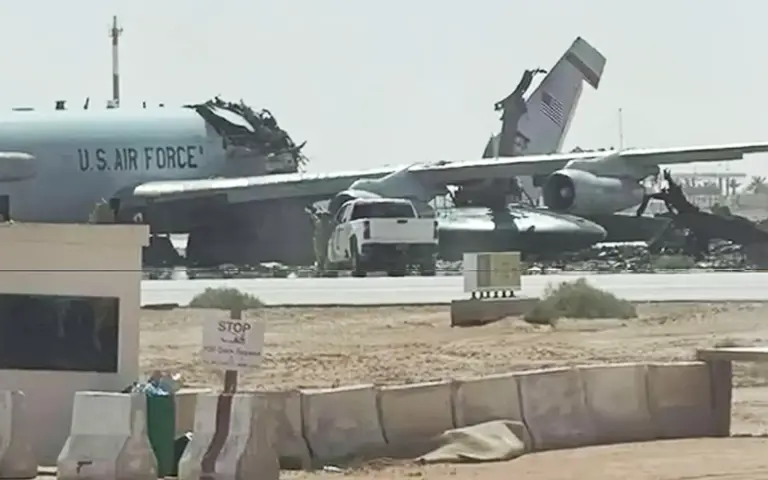
In a dramatic escalation of tensions in the Middle East, the United States Air Force has reportedly suffered significant losses over the past 48 hours, marking one of the most serious setbacks in recent military engagements.
The developments have raised critical questions about the balance of power in the region and the effectiveness of U.S. air operations under increasingly hostile conditions.According to emerging reports, a U.S. C-130 transport aircraft crashed over the skies of Isfahan, Iran.
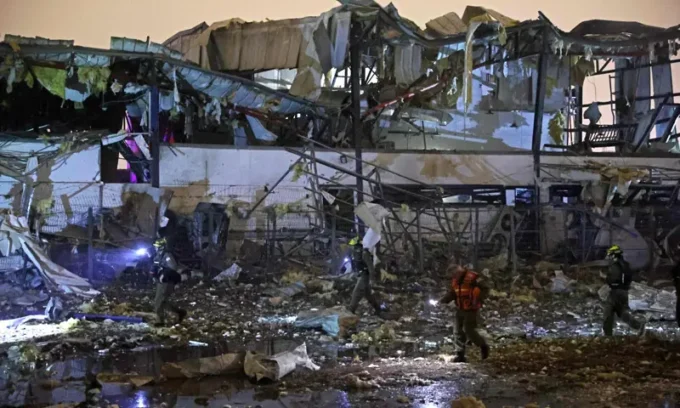
Visual evidence of the wreckage later circulated through various sources, highlighting the growing risks faced by American aerial missions in contested airspace. In addition, a U.S. F-15 fighter jet was reportedly shot down a day earlier, while a Boeing CH-47 Chinook helicopter was also destroyed in a targeted strike.
Further compounding the situation, the destruction of an A-10 Warthog ground-attack aircraft has been confirmed, a platform widely regarded as critical for close air support operations. Reports also indicate that two U.S. rescue helicopters sustained partial damage, underscoring the vulnerability of even non-combat missions in the current conflict environment.
A broader assessment of the past 36 days reveals an even more alarming picture. More than 20 U.S. aircraft and helicopters have reportedly been destroyed or rendered inoperable due to combat damage. In aerial engagements, Kuwaiti forces are said to have downed three U.S. F-15E fighter jets, while Iran’s Islamic Revolutionary Guard Corps (IRGC) air defense units reportedly destroyed an additional F-15E and an A-10 aircraft.
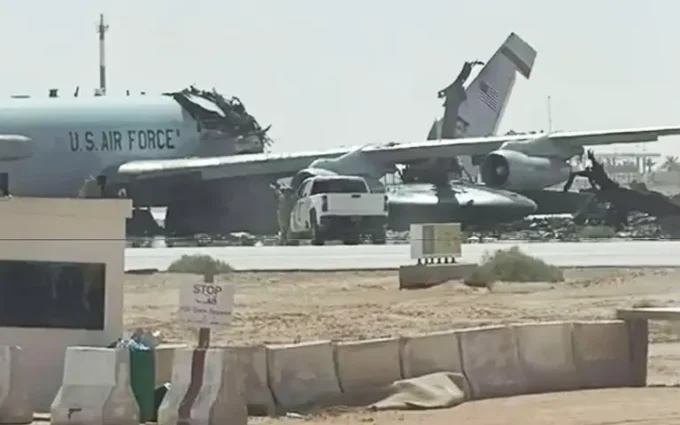
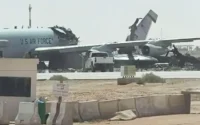
Moreover, a U.S. F-35 stealth fighter is believed to have been damaged by air defense fire, while an F/A-18 Super Hornet sustained partial damage during IRGC operations. Two KC-135 aerial refueling tankers were also involved in a mid-air incident, resulting in one being destroyed and the other severely damaged.On the ground, U.S. forces have also faced substantial losses. At Prince Sultan Air Base in Saudi Arabia, an E-3 AWACS surveillance aircraft was reportedly destroyed in a suicide drone attack.
Another KC-135 refueling aircraft was also completely destroyed in a similar strike. In Iraq’s Victoria Base, a Black Hawk helicopter suffered heavy damage from quadcopter drone attacks, while a CH-47 Chinook helicopter in Kuwait was similarly targeted.Additional reports suggest that up to eight KC-135 refueling aircraft stationed at Prince Sultan Air Base were either partially or completely destroyed in missile strikes, dealing a severe blow to U.S. aerial refueling capabilities—an essential component of sustained air operations.
Collectively, these incidents indicate a significant challenge to U.S. air superiority in the region. Iran’s evolving air defense systems and extensive use of drone warfare appear to be reshaping the battlefield, limiting the operational freedom of one of the world’s most advanced air forces.
As the conflict continues, military analysts warn that these developments could have far-reaching implications—not only for the trajectory of the war but also for future defense strategies, regional alliances, and global perceptions of military dominance.






Leave a comment