

Ongoing US-Israel War on Iran
The war launched by the United States and Israel against Iran continues to escalate, with strikes and missile attacks reported in multiple regions, including Iran, Israel, and the wider Gulf. While diplomatic channels are reportedly being explored, there are conflicting claims about the status of negotiations. The ongoing conflict has already disrupted global energy markets, primarily due to its impact on the strategic Strait of Hormuz, a vital corridor for global oil and gas shipments.
Military Strikes in Iran
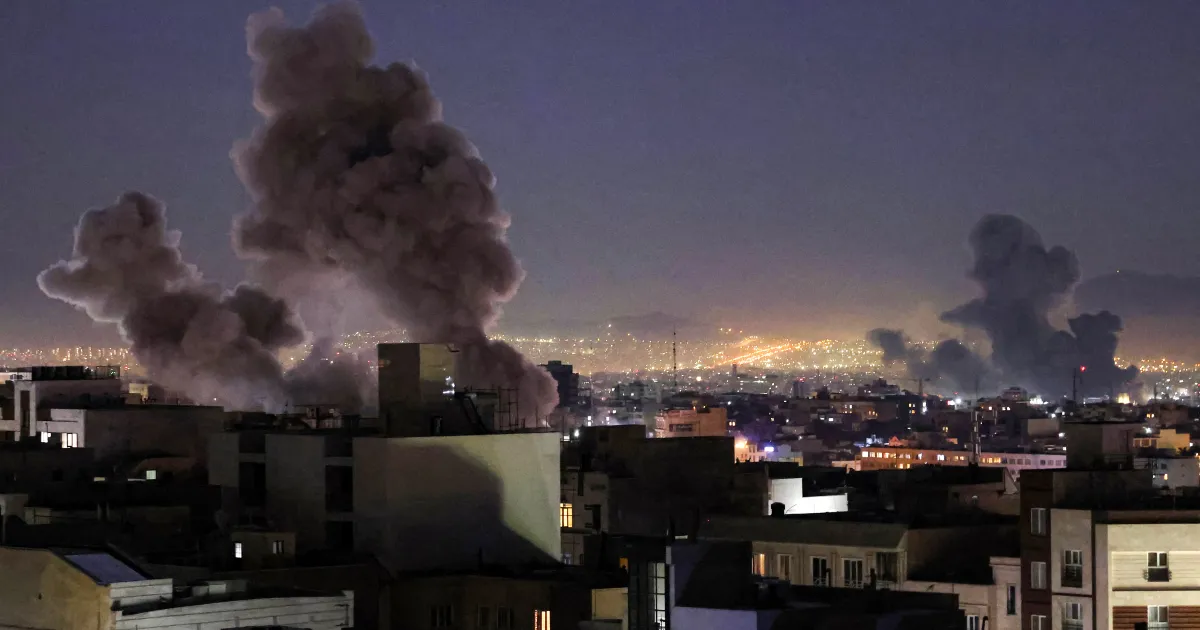
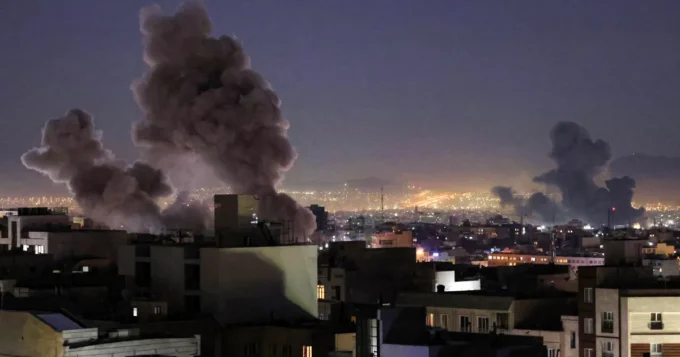
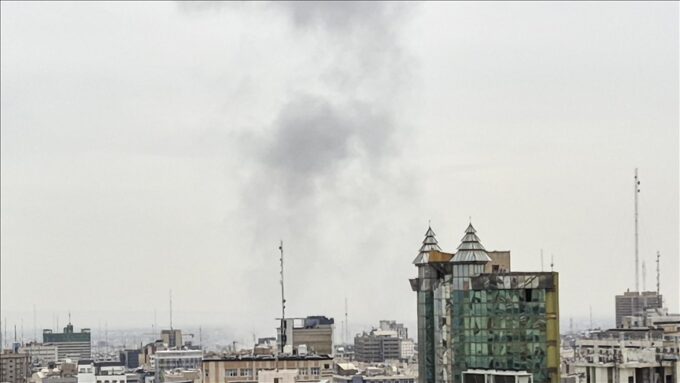
Iran has continued to face heavy bombardment. A recent attack in southern Tehran killed at least 12 people and injured 28 others. Additional explosions in the eastern part of the city destroyed a school and several residential buildings, raising fears about civilian safety. The United States claims that negotiations with Tehran are ongoing, suggesting that Iran has pledged not to pursue nuclear weapons. However, Iran has consistently denied any intention of developing nuclear arms, citing a 2003 fatwa by former Supreme Leader Ayatollah Ali Khamenei against nuclear weapons.
Reports suggest that the United States has delivered a 15-point peace plan aimed at ending hostilities, facilitated reportedly by Pakistan’s army chief, Syed Asim Munir. Analysts believe Iran seeks to conclude the war on its own terms, establishing deterrence to prevent future conflicts. Meanwhile, Tehran has confirmed that non-hostile vessels can transit the Strait of Hormuz, coordinating with the International Maritime Organization to ensure safe passage for global shipping.
Diplomatic Efforts
International diplomacy is underway, though progress is uncertain. Pakistani Prime Minister Shehbaz Sharif announced that Islamabad is willing to host negotiations to bring an end to the US-Israel-Iran conflict. China’s top diplomat, Wang Yi, advised Tehran to prioritize dialogue over continued military engagement, while French President Emmanuel Macron called on Iran to enter good-faith talks to prevent further escalation. Despite these efforts, confusion persists among the Iranian population, as the ground reality remains dominated by military operations rather than negotiations.
Attacks and Tensions in the Gulf
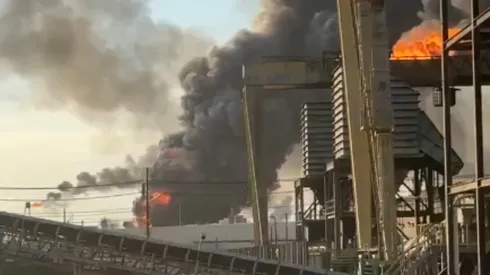
The Gulf region has experienced direct impacts from the conflict. A drone strike on a fuel tank at Kuwait International Airport ignited a fire, though authorities reported no casualties and limited property damage. Saudi Arabia intercepted at least 32 drones and one ballistic missile targeting its Eastern Province, home to critical oil facilities including Ras Tanura, Ghawar, and Abqaiq. The strikes over the past 11 hours demonstrate Iran’s capacity to reach key energy infrastructure in the Gulf.
In Bahrain, Iranian attacks killed a Moroccan civilian working with the UAE’s armed forces, while other strikes caused significant property damage. These developments highlight the regional reach of Iran’s military response and the vulnerability of Gulf states amid the ongoing conflict.
US Military and Policy Measures
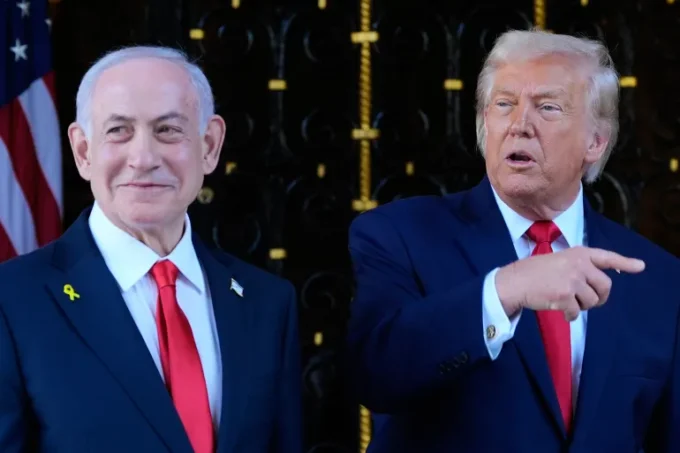
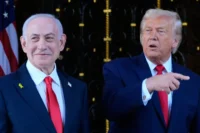
The United States has signaled both escalation and tactical adjustments. President Donald Trump described receiving a “very big present” from Iran regarding the Strait of Hormuz, suggesting potential leverage over energy flows. Meanwhile, the US plans to deploy approximately 3,000 soldiers from the elite 82nd Airborne Division to the Middle East to bolster ongoing operations.
The US has also eased some sanctions on Iranian oil, a move prompted by global energy pressures resulting from the conflict. Economists, however, warn that this could undermine the broader sanctions regime while attempting to stabilize energy markets. These measures underscore the complex balancing act Washington is attempting: applying military pressure while managing global economic fallout.
Situation in Israel
Israel has faced multiple missile threats from Iran, with the country’s anti-missile defense systems activated repeatedly. In response, Israel plans to establish a “security zone” extending 30 kilometers into southern Lebanon while intensifying operations against Hezbollah targets. Israeli officials have confirmed that the country is not participating in US-Iran talks and emphasized that military action will continue until Iran’s nuclear and missile capabilities are neutralized.
Lebanon and Iraq
The situation in Lebanon has deteriorated further, with at least 1,072 people killed and 2,966 injured since the escalation on March 2, including 33 fatalities in the last 24 hours. Lebanese authorities have warned of a potential Israeli ground invasion south of the Litani River, while mass evacuations have been ordered in southern Beirut. Hezbollah continues to retaliate with rocket, artillery, and drone attacks against Israeli positions in southern Lebanon and the Golan Heights.
Iraq is also under pressure, balancing its ties with both the US and Iran. After a suspected US strike on an Iran-backed paramilitary base in Anbar province killed 15 people, Baghdad authorized paramilitary groups to retaliate. The Iraqi government announced plans to summon both US and Iranian diplomats to address escalating tensions, highlighting the delicate regional balance.
Global Energy and Economic Impact
The ongoing conflict is significantly disrupting global markets, particularly in the energy sector. Restrictions on shipping from the Gulf are causing ripple effects in the supply of crucial commodities such as helium and fertilizer. Analysts warn that fuel rationing and energy conservation measures may become necessary worldwide as governments attempt to mitigate short-term dependence on fragile global fossil fuel supply chains.
Countries are already taking emergency measures: Sri Lanka has ordered street lights, neon signs, and billboards to be switched off to cut energy consumption by 25 percent, while the Philippines declared a national energy emergency as rising fuel prices triggered labor strikes and government action to secure essential supplies. The war’s economic and energy impact continues to deepen as it stretches into multiple regions.




Leave a comment