

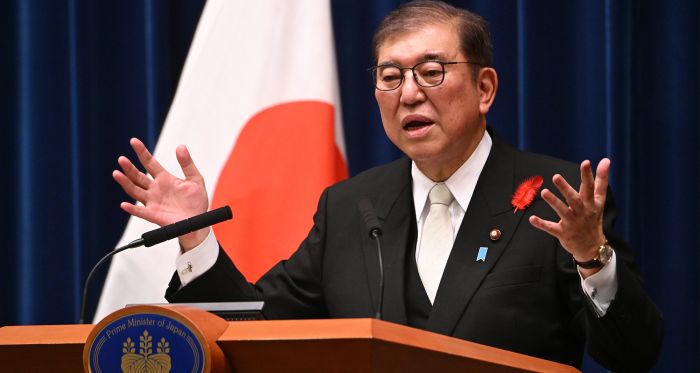
Japan’s Prime Minister Shigeru Ishiba has said he will resign, stepping down after less than a year in office following two major electoral defeats.
His announcement came just a day before the Liberal Democratic Party (LDP) was set to decide on holding an internal leadership vote, a move that could have pushed him out.
Although the LDP has held power for most of the past seven decades, Ishiba’s leadership oversaw two historic setbacks: the loss of the party’s lower house majority for the first time in 15 years, followed by the loss of the upper house majority in July.
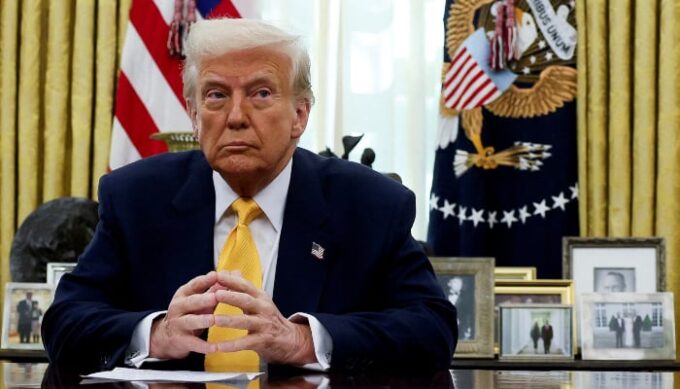
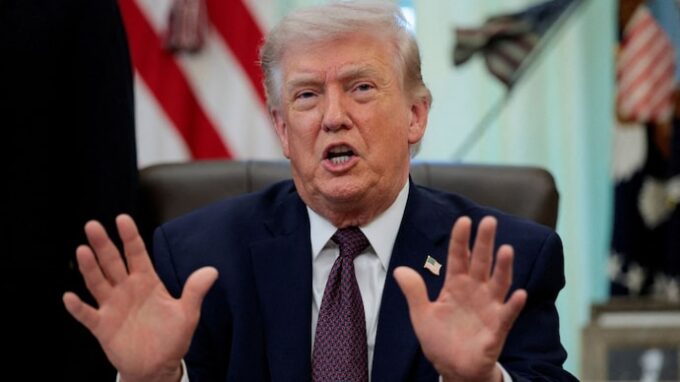
The resignation ushers in a period of uncertainty for Japan, the world’s fourth-largest economy and a crucial US ally, as tensions with China intensify and regional security risks mount. Ishiba said the timing of his departure was deliberate, noting: “Now that a conclusion has been reached in the negotiations concerning the US tariff measures, I believe this is precisely the appropriate time.” He was referring to last week’s agreement to ease tariffs imposed by former US President Donald Trump on Japanese cars and other exports.
Until the deal was secured, Ishiba had resisted mounting pressure to quit, arguing it was his duty to resolve the tariff dispute before leaving office. “I have strongly believed that negotiations concerning the US tariff measures, which could be described as a national crisis, must be brought to a conclusion under our administration’s responsibility,” he said.
At 68, Ishiba pledged to carry out his responsibilities “to the people” until a successor is chosen. The LDP will now elect a new leader, who will automatically become prime minister once parliament confirms the choice.
Ishiba, who entered office in October 2024 vowing to address soaring prices, failed to inspire confidence amid economic headwinds, rising living costs, and a strained relationship with Washington.
His government’s standing deteriorated further with inflation, most notably the doubling of rice prices over the past year—dealing a heavy political blow. Public support also eroded after controversies, including criticism for appointing only two women to his cabinet and for distributing costly gifts to party members.









Leave a comment