

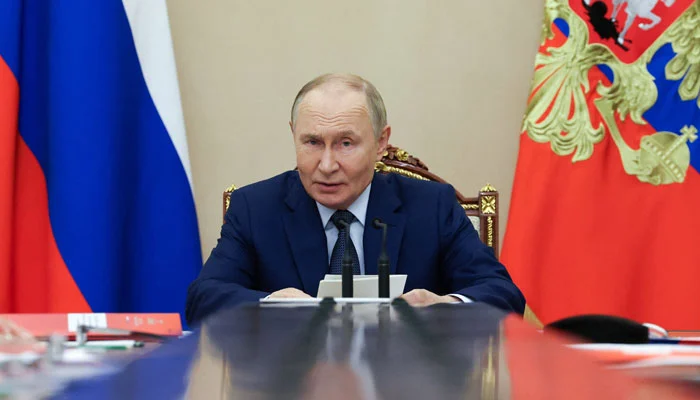
Russia has announced it is willing to continue observing nuclear arms limits agreed under the landmark New START treaty with the United States — but only for one additional year after the pact expires in 2026, and only if Washington reciprocates. The move, outlined by President Vladimir Putin during a televised meeting on Monday, comes as the future of the last major arms control agreement between the world’s two largest nuclear powers hangs in the balance.
The New START treaty, signed in 2010, capped each side at a maximum of 1,550 deployed strategic nuclear warheads — nearly a 30 percent reduction from the ceiling established under a 2002 deal. It remains the last surviving pillar of nuclear arms control after the collapse of several earlier treaties, including the Intermediate-Range Nuclear Forces (INF) Treaty. The accord is set to expire on February 5, 2026, with no extension yet agreed.
“Russia is prepared to continue adhering to the central quantitative limitations of the New START Treaty for one year after February 5, 2026,” Putin declared. He described the proposal as a step to avoid “a strategic arms race” and emphasized that its viability depends entirely on US reciprocity. “We believe this measure will only be viable if the United States acts in a similar manner and does not take steps that undermine or disrupt the existing balance of deterrence potentials,” he said.
Although Russia formally suspended participation in the treaty in 2023 amid worsening ties with Washington over Ukraine and other disputes, it has continued to voluntarily respect the warhead ceilings. Moscow has repeatedly framed its compliance as a sign of restraint, while accusing the United States of undermining the strategic balance through missile defense systems, NATO expansion, and new weapons development.
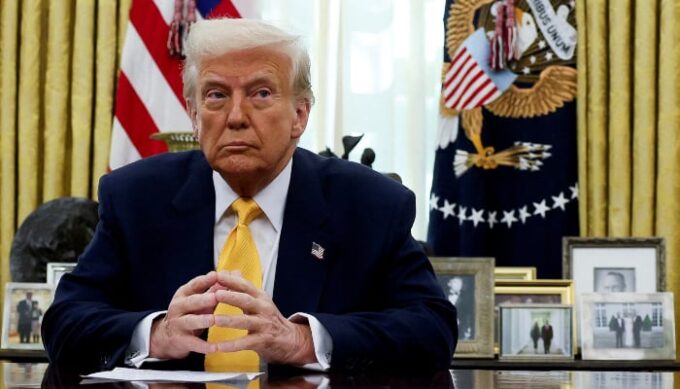
For Washington, the Kremlin’s limited offer presents a narrow window to preserve some level of arms control as global nuclear risks rise. Without an extension or successor treaty, both sides would be free to expand their nuclear arsenals after 2026, potentially igniting a renewed arms race. Analysts say the challenge lies in whether the United States and Russia — locked in deep political confrontation — can find the political will to sustain even this modest framework of restraint.








Leave a comment