

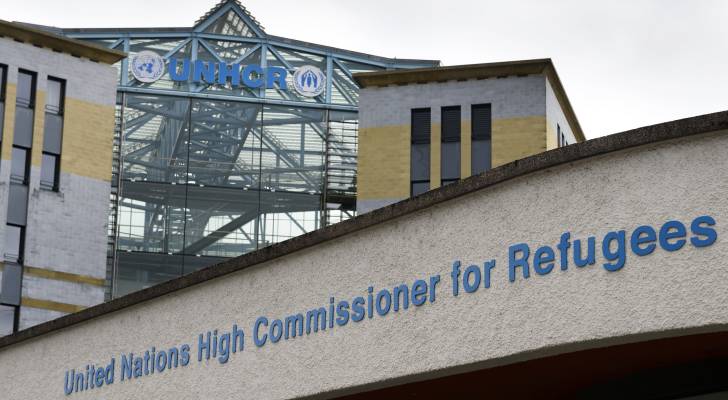
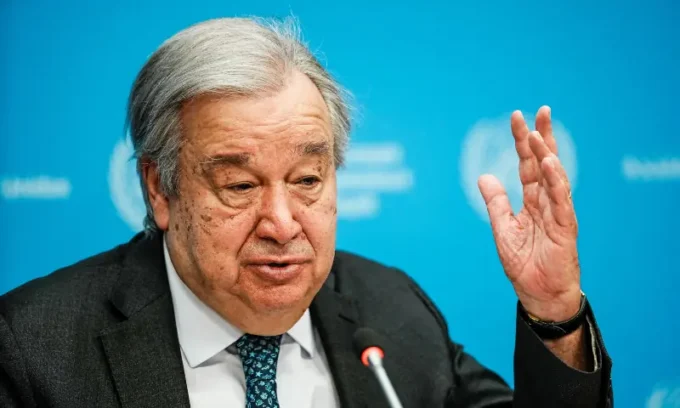
GENEVA: The United Nations refugee agency has announced the loss of nearly 5,000 jobs this year amid a severe global funding shortfall, marking one of the most significant staff reductions in its history. UNHCR Chief Filippo Grandi described the situation as “disastrous,” blaming political decisions that have drastically curtailed humanitarian aid worldwide.
Speaking at a press briefing on Monday, Grandi revealed that the cuts represent more than a quarter of the agency’s total workforce and warned that further layoffs may follow if funding does not recover soon. “No country or sector has been spared,” he said, lamenting that essential humanitarian services have already been severely disrupted.
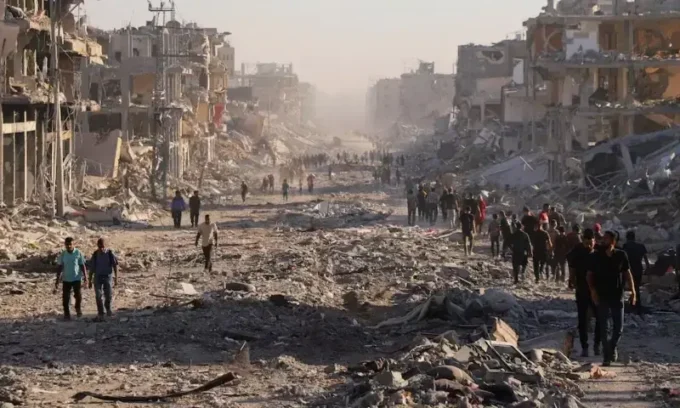
The UN refugee agency is facing unprecedented pressure as the number of displaced people worldwide continues to soar due to conflict, climate disasters, and political instability. Yet, the agency’s ability to respond has been crippled by drastic reductions in international aid.
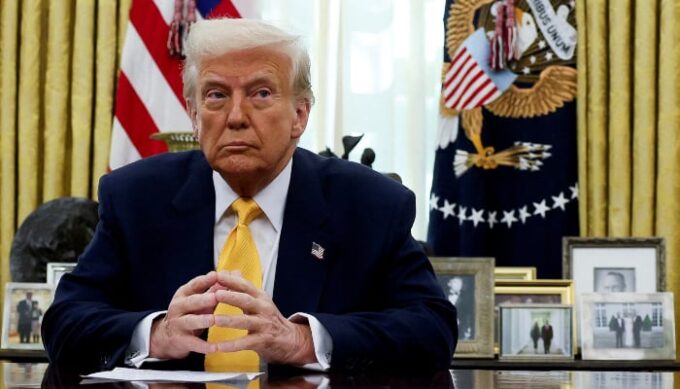
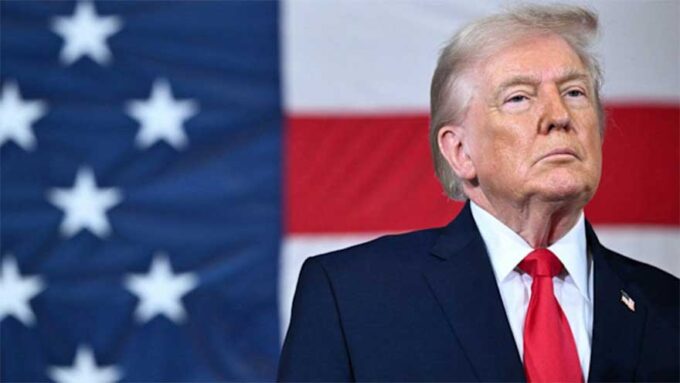
According to Grandi, the crisis was compounded by a sharp decline in contributions from the United States, historically UNHCR’s largest donor. Under the administration of former President Donald Trump, Washington implemented sweeping foreign aid cuts that reverberated through the global humanitarian system.
“These are not abstract numbers — they are lives affected,” Grandi said. “Critical programmes and lifesaving activities have had to stop. Gender-based violence prevention work, psychosocial support for survivors of torture — all halted.”
He added that the consequences have been devastating across refugee communities: schools have been forced to close, food assistance has dwindled, cash aid for vulnerable families has been slashed, and resettlement efforts have nearly collapsed.
“This is what happens when you slash over a billion dollars in funding within weeks,” Grandi said, describing the fallout as “a catastrophe that punishes the world’s most vulnerable people for political choices they never made.”
Analysts say the UNHCR’s financial crisis underscores the widening gap between global humanitarian needs and available resources. With more than 120 million people displaced worldwide, the agency is warning that unless funding stabilizes soon, millions could lose access to shelter, healthcare, and basic protection.
Despite the grim outlook, Grandi appealed for renewed international solidarity, urging donor countries to reconsider their priorities. “This is not just about budgets — it’s about human lives,” he stressed. “If the world turns its back now, the suffering will only deepen.”








Leave a comment