

The World Bank has warned that rising US tariffs on Indian exports could weigh heavily on South Asia’s economic outlook in 2026, potentially slowing the region’s growth momentum after a strong showing this year.
In its latest regional outlook released on Tuesday, the World Bank projected South Asia’s growth to decelerate sharply to 5.8 percent in 2026, down from its earlier estimate of 6.6 percent for 2025. The slowdown, the report said, is largely driven by the impact of new tariffs imposed by the United States on Indian goods, coupled with the unwinding of earlier government stimulus measures that had helped sustain activity.
The World Bank noted that India — the largest economy in the region — remains central to South Asia’s growth trajectory, accounting for the bulk of regional output. It has revised India’s GDP growth forecast upward for the current fiscal year ending March 2026, from 6.3 percent to 6.5 percent, citing robust government spending and strong domestic demand. However, the Bank trimmed its projection for the following fiscal year to 6.3 percent, warning that the impact of US trade restrictions will begin to weigh more heavily on exports and employment.
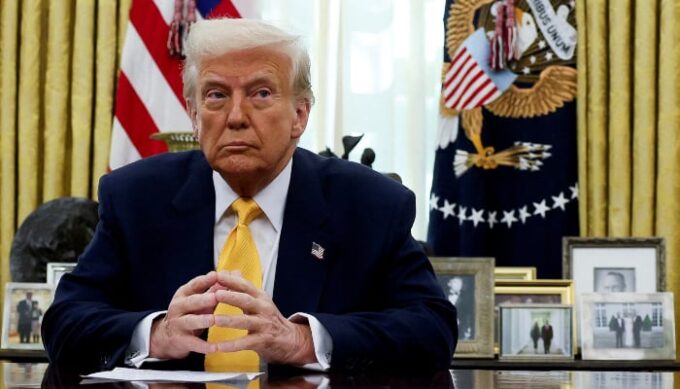
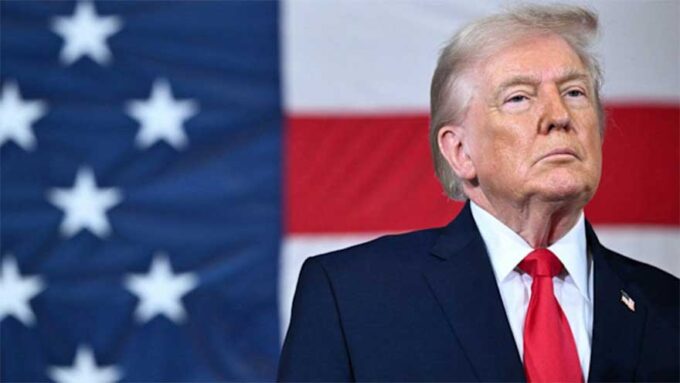
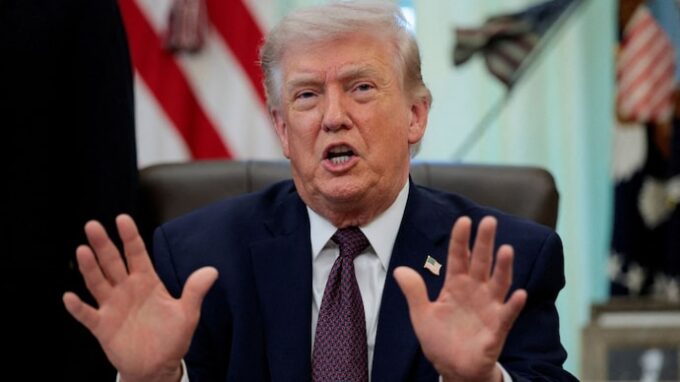
The tariffs, introduced by US President Donald Trump, include a 50 percent duty on most Indian exports — one of the highest tariff rates applied to any of Washington’s trading partners. The move affects around $50 billion worth of Indian goods, hitting labour-intensive sectors such as textiles, gems and jewellery, and seafood, particularly the shrimp industry.
According to the report, about one-fifth of India’s total exports in 2024 were destined for the US, and the new duties now cover roughly three-quarters of all Indian goods entering the American market. Economists warn that this could disrupt supply chains, weaken export competitiveness, and slow job creation in sectors dependent on overseas demand.
In response, Indian Prime Minister Narendra Modi has rolled out sweeping tax cuts — the largest overhaul since 2017 — slashing levies on a wide range of consumer goods, from shampoos to automobiles. The government has also maintained high levels of public investment in infrastructure to offset the external shock and support domestic industries.
The World Bank said that while government spending and structural reforms will help cushion the short-term blow, the medium-term outlook for South Asia remains fragile, especially if global trade tensions intensify. It added that sustained growth will depend on India’s ability to adapt to the new trade environment, diversify exports, and boost private sector investment to maintain momentum amid rising external pressures.









Leave a comment