

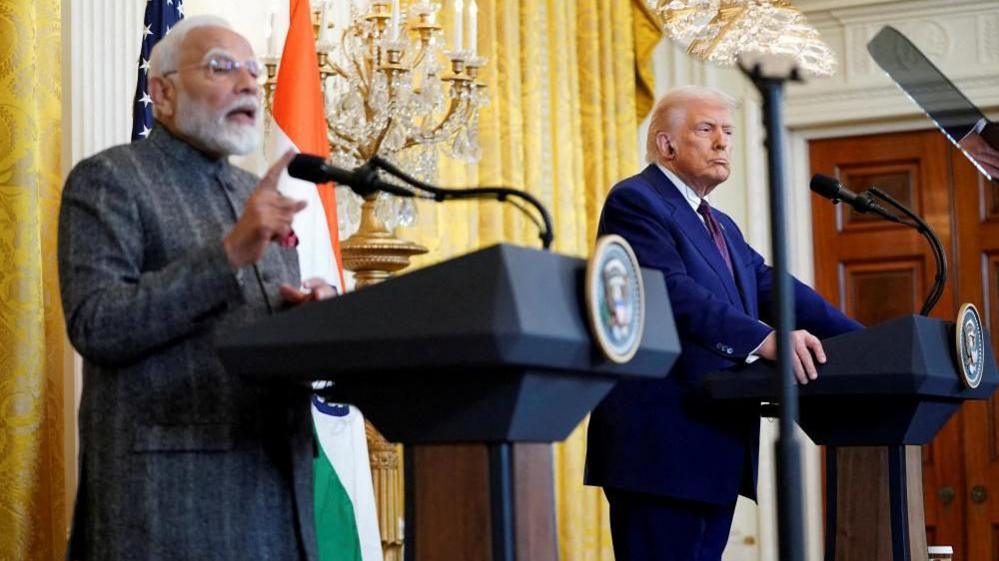
US President Donald Trump on Sunday renewed pressure on India to halt its imports of Russian oil, warning that punitive tariffs on Indian goods would remain in place until New Delhi complies. His remarks came amid conflicting statements between Washington and New Delhi over whether such assurances were ever given.
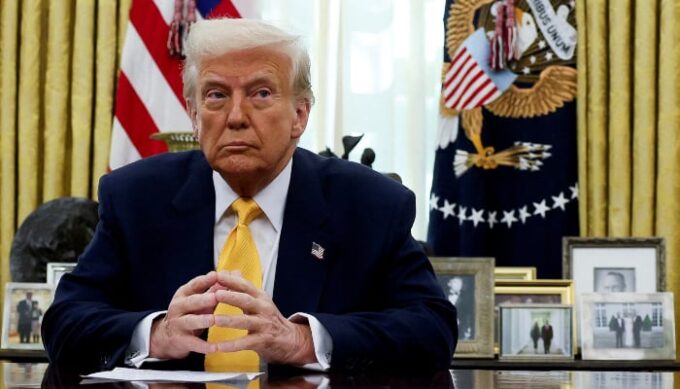
Speaking to reporters aboard Air Force One, Trump claimed that Indian Prime Minister Narendra Modi had personally told him that India would cease buying crude oil from Russia. “I spoke with Prime Minister Modi of India, and he said he’s not going to be doing the Russian oil thing,” Trump said.
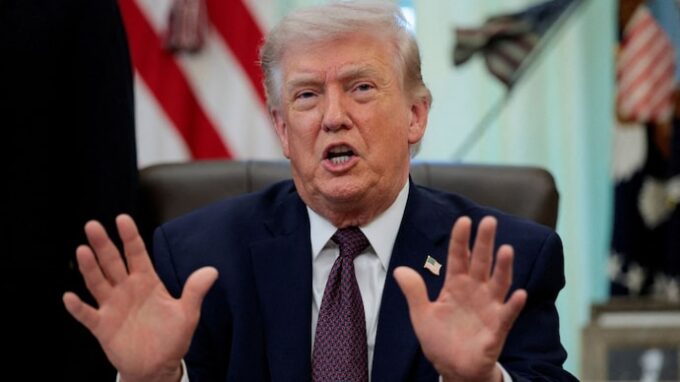
When informed that Indian officials had denied knowledge of such a conversation, Trump responded sharply: “But if they want to say that, then they’ll just continue to pay massive tariffs, and they don’t want to do that.”
Trump’s comments highlight growing tensions between the two countries as trade disputes intersect with geopolitical concerns over India’s energy ties with Moscow. The United States has accused Russia of using oil revenues to sustain its war in Ukraine and has urged allies and partners to reduce or end their purchases of Russian crude.
According to US officials, Russian oil imports remain a major sticking point in prolonged trade negotiations with India. Nearly half of the 50 percent tariffs Washington currently imposes on Indian goods are reportedly linked to New Delhi’s continued energy trade with Russia.
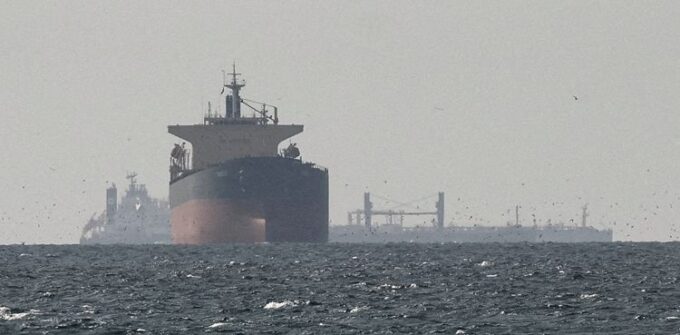
India, for its part, has defended its oil purchases as a matter of national interest. It has emerged as the largest buyer of discounted seaborne Russian crude since Western sanctions were imposed on Moscow following its 2022 invasion of Ukraine. Indian officials argue that the discounted oil helps protect consumers from global price shocks and supports domestic economic stability.
Earlier last week, Trump reiterated his claim that Modi had promised to end Russian oil imports. However, India’s Ministry of External Affairs said it was “not aware” of any phone call between the two leaders and emphasized that its priority was to “safeguard the interests of the Indian consumer.”
A White House official later said that India had already reduced its Russian oil purchases by half, but Indian industry sources contested that statement, saying no immediate decline had been observed. They added that Indian refiners had already placed orders for November shipments, with some deliveries scheduled for December, meaning any potential reductions might only be reflected in December or January import data.
According to estimates by commodities data firm Kpler, India’s Russian oil imports are actually expected to rise about 20 percent this month, reaching 1.9 million barrels per day, as Russia increases exports to offset damage to its refineries from Ukrainian drone strikes.
The dispute underscores the delicate balancing act facing India — a long-standing strategic partner of the United States and a key member of the Quad alliance — as it seeks to maintain both affordable energy supplies and its growing geopolitical autonomy.






Leave a comment