

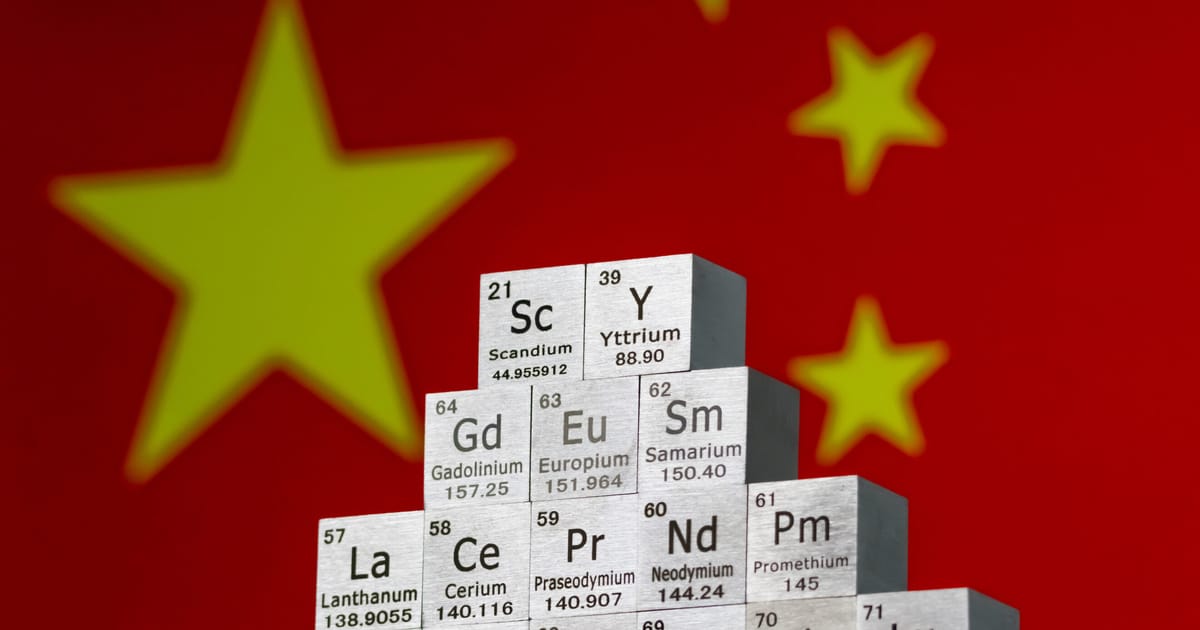
The Group of Seven (G7) nations are moving closer to forming a global rare-earth or “critical minerals” alliance aimed at reducing their heavy dependence on China, which currently dominates global mining and processing of key minerals essential for modern industries.
The discussions, which will take place during the upcoming G7 meeting in Toronto, are expected to go beyond talks and result in practical measures such as long-term supply agreements, joint stockpiling, and coordinated investments in mining and refining facilities. Canada is reportedly taking the lead in advancing this initiative, viewing it as a crucial step toward securing supply chains for strategic materials.
Currently, China controls nearly 60% of global rare-earth mining and about 90% of processing capacity, making it the world’s largest supplier of critical minerals used in electric vehicles, smartphones, wind turbines, and advanced weapons systems. This monopoly has raised serious concerns among Western powers about supply-chain vulnerabilities and potential geopolitical risks.
To counter this, G7 members are considering establishing price floors for rare-earth materials to protect non-Chinese producers from market manipulation and encourage new investments in alternative production sources. This would mark one of the first coordinated global responses to Beijing’s long-standing dominance in the critical minerals sector.
The alliance is part of a wider strategic shift in global resource policy, where G7 countries are seeking to diversify supply chains, minimize geopolitical dependency, and prevent any single nation from weaponizing trade. Officials argue that securing access to rare-earth materials is becoming as important as ensuring energy security.
China, however, has sharply criticized the move, warning that such actions could “disrupt international trade” and create new barriers in the global market. Beijing insists that its role in the rare-earth industry is based on market efficiency and resource endowment, accusing Western countries of politicizing economic issues.
Experts believe that if the alliance materializes, it could reshape global trade routes, redirect investments toward new mining regions, and strengthen partnerships among resource-rich nations such as Canada, Australia, Japan, and the United States. It may also accelerate the search for sustainable and environmentally responsible alternatives in mineral extraction and refining.
The initiative signals a clear message: control over critical minerals has become a matter of global security, not just economics. The G7’s growing unity reflects a shared recognition that future technological and defense capabilities depend heavily on secure and diversified access to rare-earth resources.









Leave a comment