

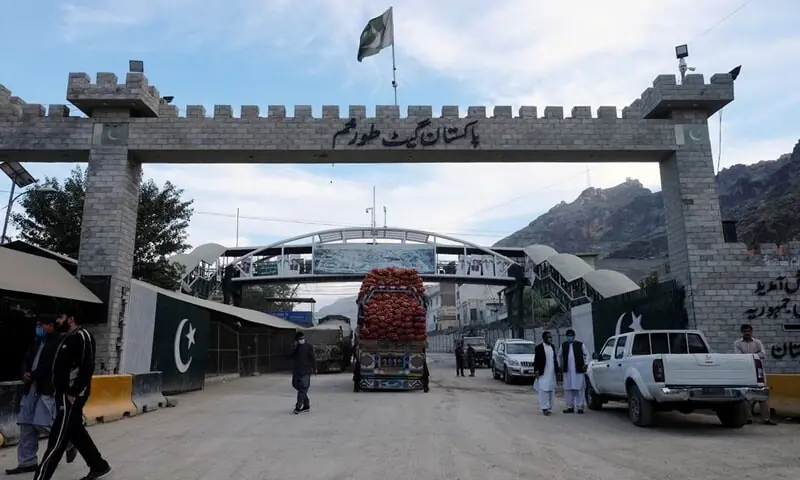
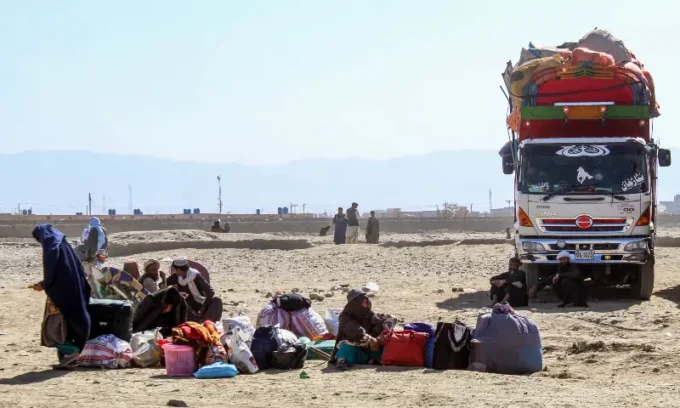
The return of Afghan nationals to their homeland through the Torkham border crossing has resumed in earnest as Pakistan steps up its repatriation drive. The border transit point has been crowded with Afghan families and individuals as authorities continue enforcing directives for undocumented foreigners and holders of Afghan Citizen Cards (ACC) to leave the country.
Voluntary and Mandatory Returns
Officials confirmed that both voluntary departures and deportations are taking place simultaneously. Recent data shows that 5,677 Afghans crossed via Torkham in a single day — including 2,547 ACC-holders (1,843 left voluntarily and 704 were deported) and 3,130 undocumented migrants (2,433 left voluntarily and 697 were deported).
In another instance, more than 470 Afghan families, amounting to over 2,400 individuals, were repatriated in a single day as part of the intensified operation that began on April 1.
Push From Islamabad
Pakistan’s government had set a deadline of March 31 for all undocumented Afghan nationals and ACC-holders to voluntarily depart or face deportation. Officials emphasised that the process is being carried out under clear procedures, and transit setups have been established at major border points to handle the heavy influx of returnees.
Conditions at the Border
At the transit camp near Landi Kotal and at the Torkham crossing, authorities described long queues, luggage inspections, and strict security protocols. Families—many with women, children, and the elderly—were seen waiting for hours with their belongings to complete registration and clearance.
Humanitarian organisations have voiced concerns about the preparedness of Afghan authorities to receive the returnees, warning that many families may face severe shortages of food, shelter, and healthcare upon arrival.
Broader Context
Since September 2023, hundreds of thousands of Afghans have returned from Pakistan via Torkham and other crossings. By earlier estimates, more than 800,000 Afghans have left as part of the government’s broader campaign against undocumented foreigners.
Many returnees cited fear of arrest, economic challenges, and an inability to afford housing or utilities as reasons for leaving Pakistan. Despite assurances that the process would be “voluntary,” reports suggest that pressure and uncertainty have accelerated the mass movement.
Challenges Ahead
Observers warn that the pace and scale of repatriation pose logistical and humanitarian challenges. Questions remain about Afghanistan’s capacity to absorb such large numbers, the safety of returning families, and their access to basic services.
As deportations and voluntary returns continue, the situation calls for greater coordination between Pakistan, Afghan authorities, and humanitarian agencies to ensure the process upholds the dignity, safety, and rights of those returning home.












Leave a comment