

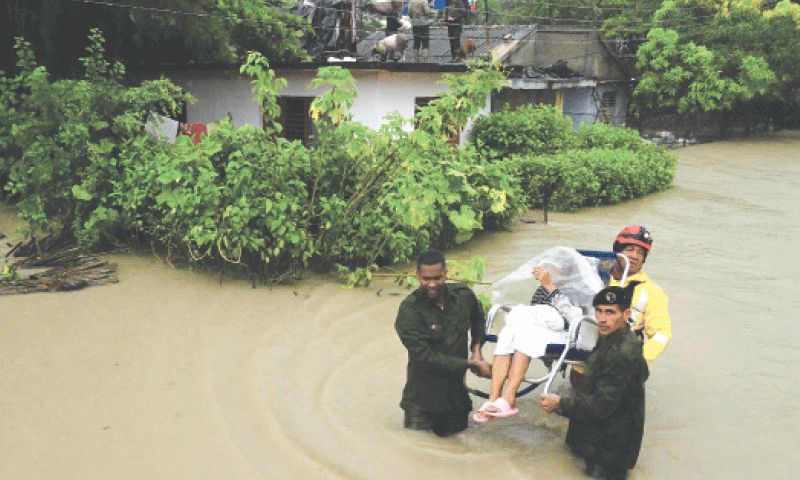
A catastrophic storm of unprecedented power, Hurricane Melissa has swept through the Caribbean, claiming at least 50 lives and leaving dozens more missing as communities struggle to recover from massive devastation. Landfall and Immediate Impact
Melissa struck Jamaica as a Category 5 hurricane, with sustained winds reaching 185 mph (≈ 295 km/h) — the strongest storm ever recorded to hit the island directly.
In Haiti, the storm unleashed torrential rains and deadly floods, especially in the southern regions of Petit-Goâve, where at least 23 people — including 10 children — lost their lives.
Cuba was also hit hard as the hurricane made landfall there as a Category 3 storm, prompting the evacuation of over 735,000 people and causing widespread property damage and power outages.
Widespread Damage and Humanitarian Crisis
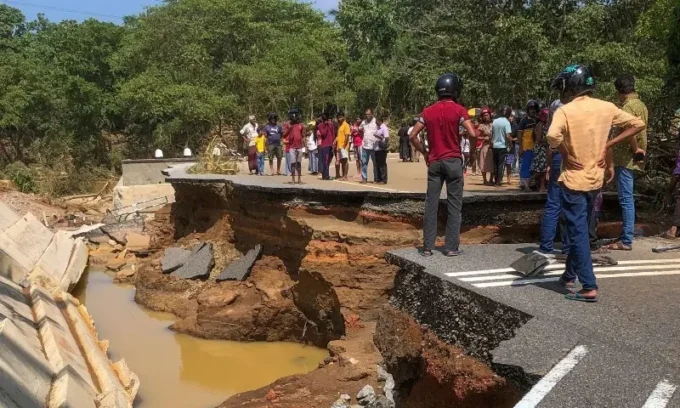
In Jamaica’s south-western parish of St. Elizabeth, officials described scenes of complete devastation, with up to 90% of roofs torn off, power outages affecting more than 60% of the island, and major roads rendered impassable.
In Haiti, health officials have warned of cholera outbreaks due to the storm’s contamination of water systems, worsening an already dire humanitarian situation.
Climate Change and Global Implications
Climate experts are calling Hurricane Melissa a stark warning of the escalating power of storms fueled by global warming.
Rapid intensification — the doubling of wind speeds in just 24 hours — has become increasingly common due to warmer ocean waters.
Caribbean leaders have urged the international community for climate reparations, emphasizing that their nations contribute little to global emissions but bear the brunt of the devastation.
Relief and Recovery Efforts Underway
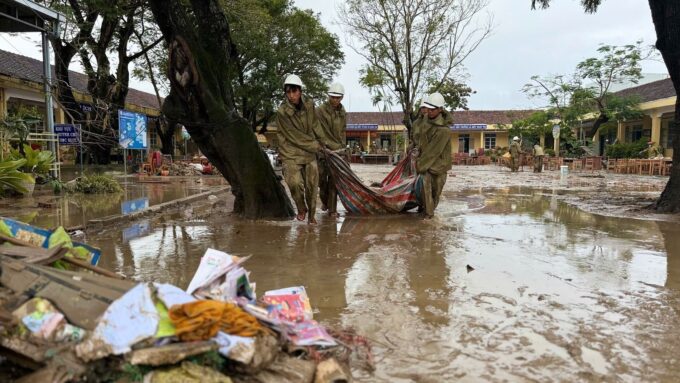
Rescue and recovery operations have begun across Jamaica, Haiti, and Cuba, with international aid agencies, military forces, and humanitarian groups mobilizing relief supplies.
Efforts are now focused on clearing debris, restoring electricity and clean water, and providing shelter to displaced families.
Despite these efforts, questions remain about how the Caribbean will rebuild and whether future infrastructure can be made resilient enough to withstand the next climate-fueled disaster.












Leave a comment