

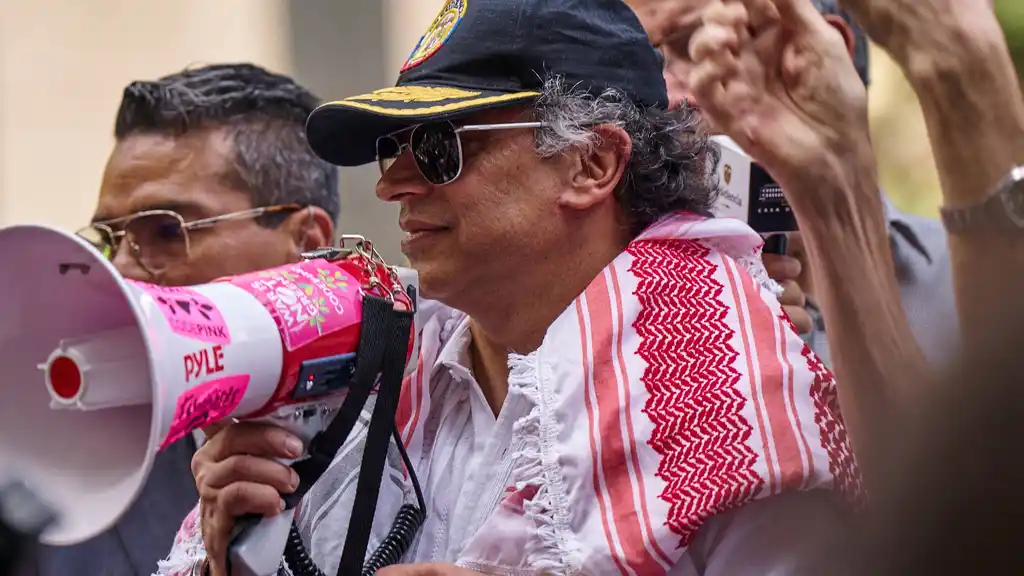
Colombian President Gustavo Petro has ordered a suspension of intelligence sharing with United States security agencies, citing ongoing US missile strikes in the Caribbean that have killed at least 75 people. The Colombian leader announced on social media platform X that all levels of the public security forces’ intelligence services are to halt communications and cooperation with US agencies until the attacks cease. Petro also suggested that the United Kingdom may have taken similar steps, citing unconfirmed media reports.
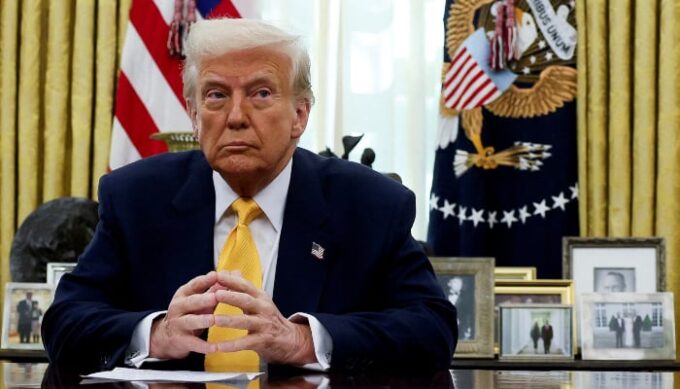
Petro has accused the Trump administration of targeting civilian and regional traffic under the guise of anti-drug operations. He called for President Donald Trump to be investigated for war crimes, highlighting that the strikes have impacted citizens of Venezuela, Ecuador, Colombia, and Trinidad and Tobago. “He may have been carrying fish, or he may have been carrying cocaine, but he had not been sentenced to death,” Petro said, referring to a Colombian fisherman allegedly killed in one of the strikes.
The Colombian president has long been critical of US drug policy, accusing Washington of going after small-scale coca growers rather than major drug traffickers and money launderers. The Trump administration, in turn, has accused Petro of being lenient toward traffickers and criticized his decision to spare Colombian rebel leaders involved in the drug trade from extradition.
Petro’s move comes amid an already strained relationship with the US. In September, he left the United States abruptly after his visa was revoked during a visit to the United Nations General Assembly in New York, following what the US described as his “reckless and incendiary actions.” Earlier this month, Petro addressed a protest outside the UN headquarters against Israel’s war on Gaza, calling on US soldiers to “disobey the orders of Trump” and “obey the orders of humanity.” He condemned the visa revocation as evidence that the US no longer respects international law.
Tensions have escalated further following sanctions imposed by the US Department of the Treasury on Petro, his family, and Colombia’s interior minister, Armando Benedetti, for allegedly failing to control the country’s cocaine industry and shielding criminal groups from accountability.
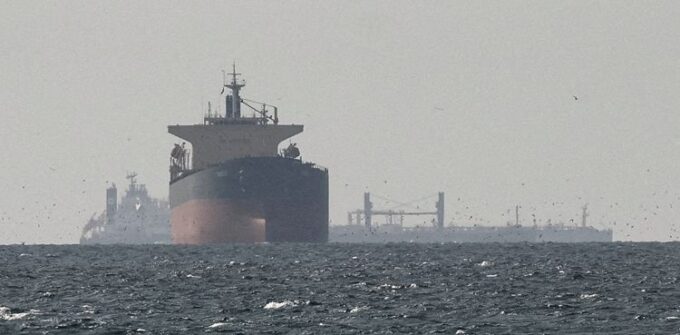
Petro’s announcement coincided with the arrival of the USS Gerald R. Ford Carrier Strike Group in the Caribbean, which includes the world’s largest aircraft carrier, at least 4,000 sailors, and tactical aircraft. The deployment has fueled speculation that the Trump administration may be considering a broader escalation of military operations in the region, primarily aimed at Venezuelan President Nicolas Maduro, a long-standing US rival.




Leave a comment