

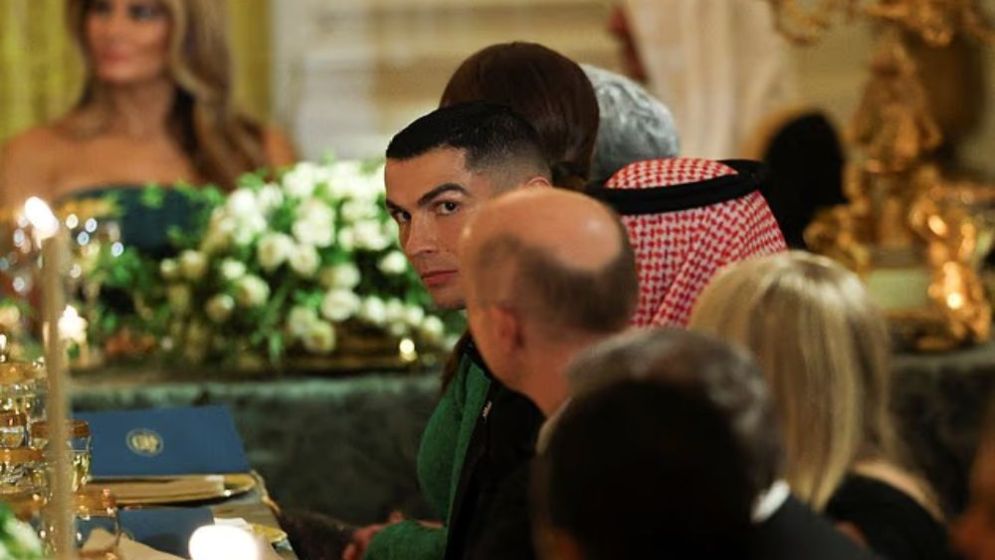
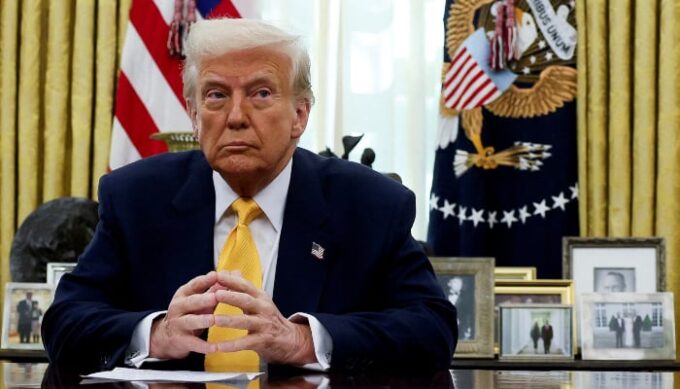
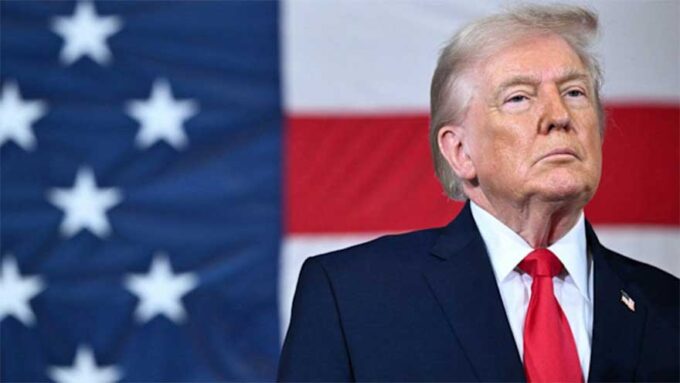
Portuguese football superstar Cristiano Ronaldo and billionaire entrepreneur Elon Musk were among the high-profile attendees at a lavish White House dinner hosted by US President Donald Trump on Tuesday for visiting Saudi Crown Prince Mohammed bin Salman. The black-tie event drew a mix of sports icons, business leaders, and political figures, reflecting the growing blend of diplomacy, celebrity, and commerce in US-Saudi relations.
Ronaldo, who currently plays for Saudi club Al Nassr, was seated near the head of Trump’s table just moments before the president and the crown prince arrived. At 40, Ronaldo is part of Saudi Arabia’s recent strategy of attracting aging but globally renowned football stars with lucrative contracts, despite criticism over the kingdom’s human rights record. Trump, in his pre-dinner remarks, noted that his son Barron, 19, is a big fan of Ronaldo and had the chance to meet him, joking, “I think he respects his father a little bit more now, just the fact that I introduced you.”
The dinner also included other football figures, such as FIFA chief Gianni Infantino, ahead of the 2026 World Cup, which the United States is co-hosting. Ronaldo, whose contract with Al Nassr expires this summer, confirmed that next year’s World Cup will “definitely” be his last, marking the event as the final stage of his international football career.
Elon Musk, the South African-born entrepreneur behind SpaceX and Tesla, also attended the dinner, signaling a possible thaw in his previously tense relationship with Trump. Musk had briefly served as head of the Department of Government Efficiency (DOGE) and traveled with Trump to Saudi Arabia in May, before their public fallout in July over Trump’s spending bill and references to the Jeffrey Epstein files. At the dinner, Musk, dressed in a tuxedo, was seen conversing with other guests at a separate table from Trump.
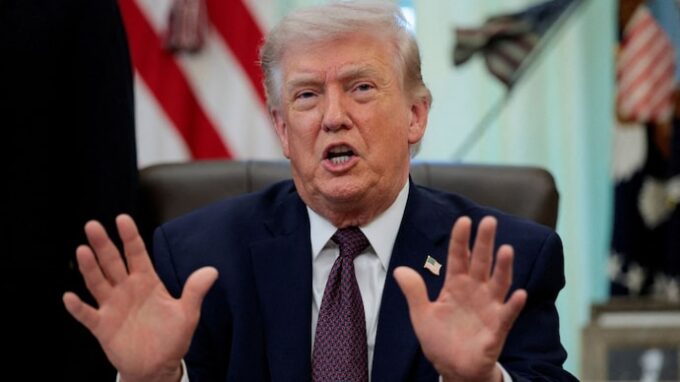
During his remarks, Trump praised Crown Prince Mohammed bin Salman as a “man of leadership” and defended him regarding the 2018 killing of Saudi journalist Jamal Khashoggi, highlighting the administration’s ongoing strategic alignment with Riyadh. The evening underscored how diplomacy, high-profile personalities, and economic interests are increasingly intertwined in modern statecraft.




Leave a comment