

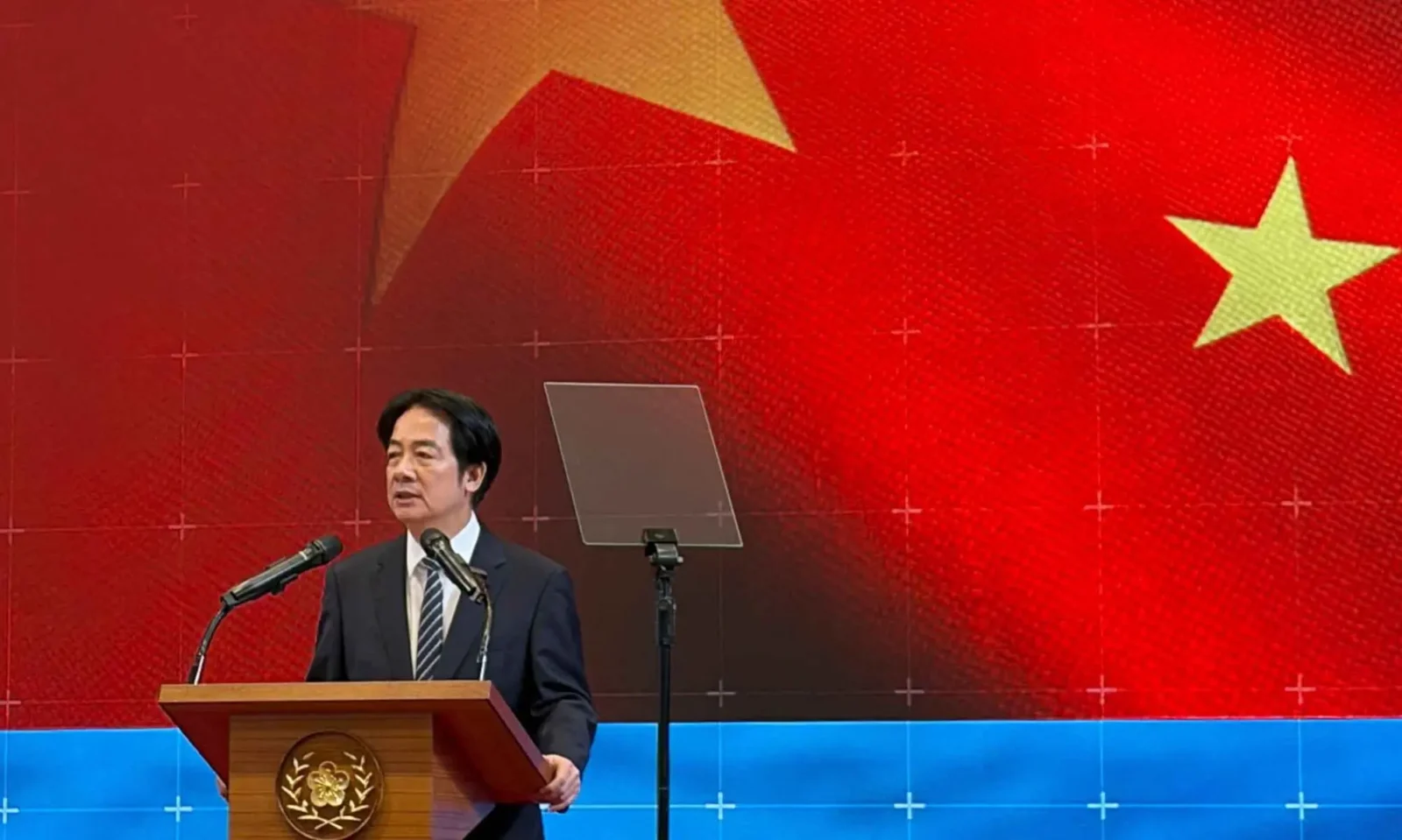
Taiwan will allocate an additional $40 billion in defence spending as part of a supplementary budget aimed at strengthening its ability to counter intensifying military pressure from China, President Lai Ching-te announced on Wednesday.
Revealing the T$1.25 trillion ($39.89bn) package at a press conference, Lai said that history had repeatedly shown that attempting to compromise in the face of aggression led only to “enslavement”. He stressed that safeguarding Taiwan’s sovereignty was non-negotiable.
“There is no room for compromise on national security,” Lai declared. “National sovereignty and the core values of freedom and democracy are the very foundation of our nation.”
The president first disclosed plans for the expanded defence budget in an opinion piece published in The Washington Post on Tuesday. He said the measure was designed to demonstrate Taiwan’s firm resolve to defend itself amid escalating threats.
“It is a struggle between defending democratic Taiwan and refusing to submit to becoming ‘China’s Taiwan’,” Lai said, describing the issue not as a debate over ideology or unification versus independence, but as a fight to protect Taiwan’s democratic way of life.
China, which claims Taiwan as part of its territory, has intensified military drills, diplomatic coercion and political pressure over the past five years. Taipei has consistently rejected Beijing’s sovereignty claims, accusing China of destabilising the region.
Earlier on Wednesday in Beijing, China’s Taiwan Affairs Office criticised the proposed defence spending, accusing Taipei of allowing “external forces” to influence its decisions.
“They squander funds that could be used to improve people’s livelihoods and develop the economy on purchasing weapons and currying favour with external powers,” spokesperson Peng Qingen said. “This will only plunge Taiwan into disaster.”
Taiwan has faced increasing calls from Washington to boost its military capabilities, mirroring pressure applied to US allies in Europe to increase defence budgets. Lai said in August that he aimed to raise Taiwan’s defence spending to five per cent of GDP by 2030.
Government projections show that Taiwan’s 2026 defence budget will reach T$949.5bn ($30.3bn), representing 3.32 per cent of GDP—crossing the three per cent threshold for the first time since 2009. Lai had previously signalled additional defence allocations but had not specified the scale.
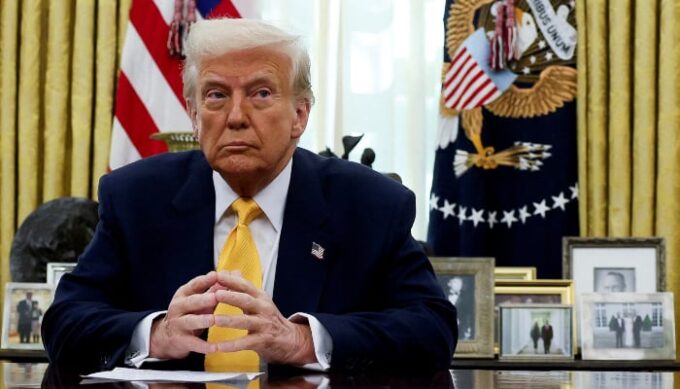
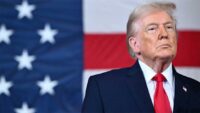
Although the United States does not maintain formal diplomatic relations with Taiwan, it is legally required under the Taiwan Relations Act to provide the island with defensive arms. However, since US President Donald Trump took office in January, Washington has approved only one new arms package—a $330 million sale of fighter jet and aircraft parts announced this month.
In his Washington Post op-ed, Lai praised the US policy posture, writing: “The international community is safer today because of the Trump administration’s pursuit of peace through strength.”



Leave a comment