

NEW DELHI: India has strongly reiterated that Arunachal Pradesh is an “integral and inalienable part” of the country in response to China’s claims over the northeastern state, following the detention of an Indian citizen at Shanghai Pudong International Airport.
On Tuesday, the Indian government issued a demarche to China regarding Prema Wangjom Thongdok, a UK-based woman from Arunachal Pradesh, who said she was held by Chinese immigration authorities for 18 hours during a layover in Shanghai. Thongdok told officials “mocked” her and claimed that Arunachal Pradesh was not part of India, describing her treatment as humiliating and in violation of international travel conventions.
China’s foreign ministry spokesperson Mao Ning responded by asserting that “Zangnan”—the name China uses for Arunachal Pradesh—is Chinese territory. She denied that Thongdok had been “detained” or “harassed,” claiming immigration checks were conducted in accordance with Chinese law. Mao further stated that the Indian government’s allegations were “unfounded.”
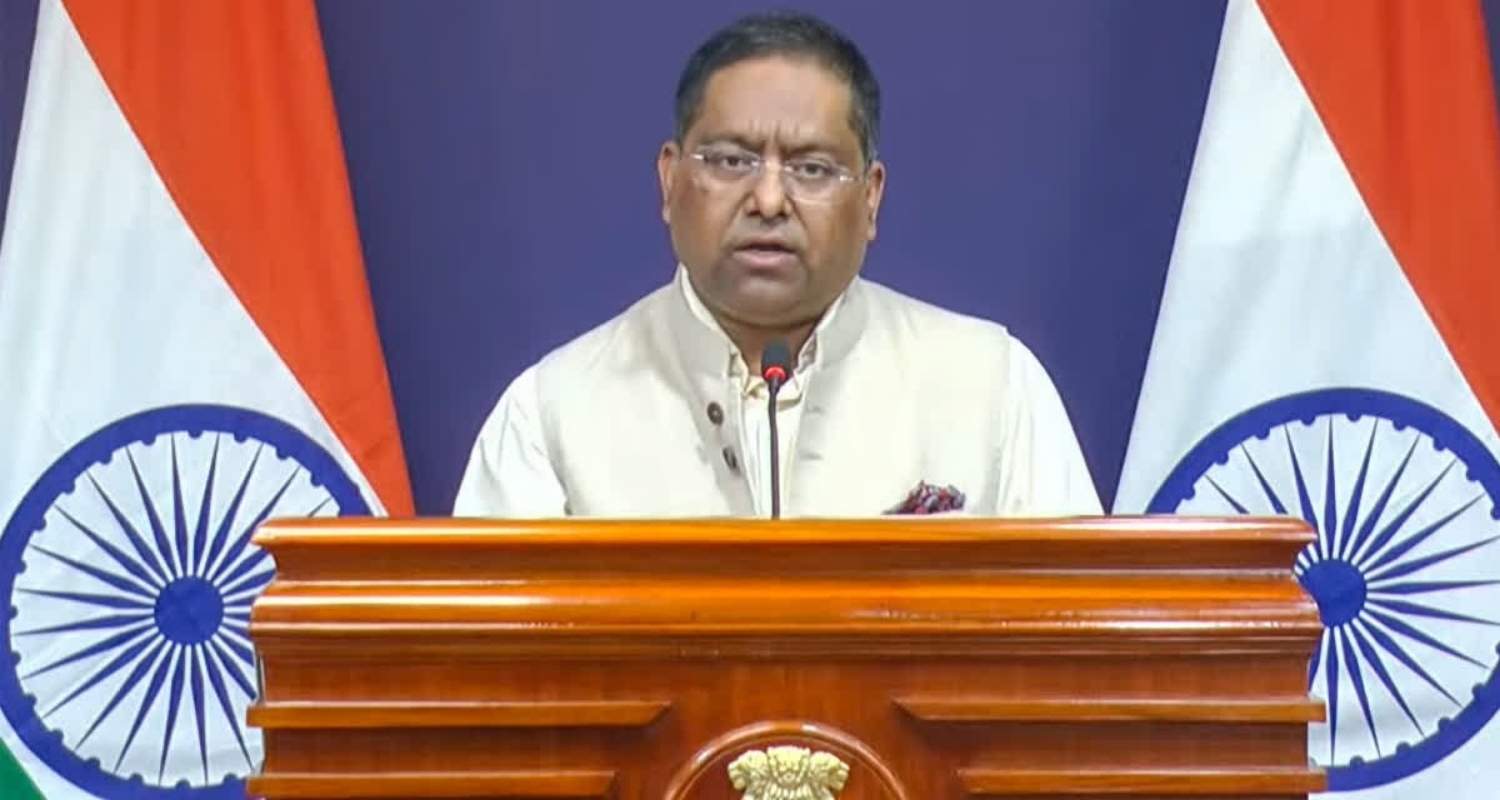
In a statement issued later on Tuesday, Indian Ministry of External Affairs spokesperson Randhir Jaiswal said New Delhi had noted China’s comments regarding Thongdok’s detention. “Arunachal Pradesh is an integral and inalienable part of India, and this is a self-evident fact. No amount of denial by the Chinese side is going to change this indisputable reality,” he said. Jaiswal added that the matter had been raised strongly with Chinese authorities, who had yet to provide a satisfactory explanation for their actions.
The spokesperson noted that China’s actions violated several international conventions governing air travel, as well as their own regulations allowing visa-free transit for up to 24 hours for nationals of all countries.
The incident has occurred against the backdrop of attempts to improve bilateral ties. Indian Prime Minister Narendra Modi visited China in August for the first time in seven years, where he met Chinese President Xi Jinping and emphasized partnership rather than rivalry between the two countries.
India and China share a 3,800-kilometre border that remains poorly demarcated and has been a source of tension since the 1950s. Relations deteriorated sharply following a deadly 2020 clash in the Himalayas, in which 20 Indian and four Chinese soldiers died in hand-to-hand combat.
Thongdok, who has lived in the United Kingdom for about 14 years, was travelling from London to Japan when she was stopped at the Shanghai airport. She reported that Chinese officials refused to accept her Indian passport, claiming her birthplace in Arunachal Pradesh made her Chinese. Following her appeal to Indian diplomatic missions in Shanghai and Beijing, officials intervened to secure her departure from the country.
The incident has further highlighted longstanding disputes over Arunachal Pradesh, which China continues to claim as part of “South Tibet,” and has provoked a strong response from New Delhi, reinforcing its position on the state’s sovereignty.












Leave a comment