

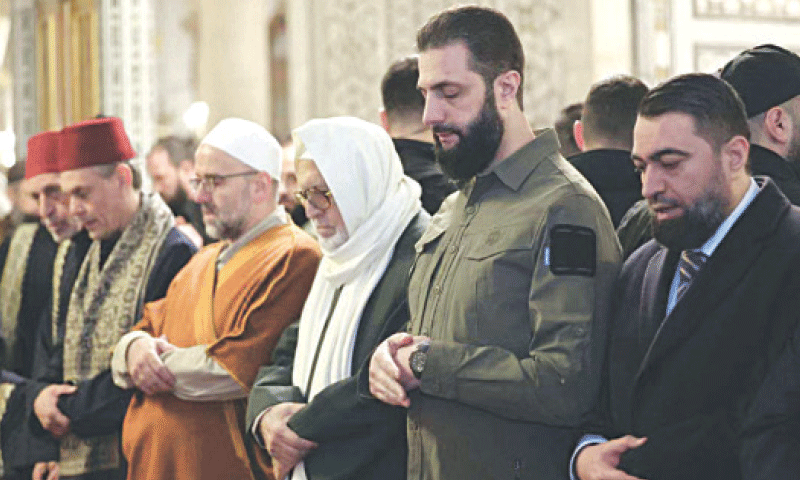
Tens of thousands of Syrians flooded the streets on Monday to mark the first anniversary of longtime ruler Bashar al-Assad’s ouster, celebrating the end of more than five decades of Assad family rule. The festivities were centered in Damascus, where jubilant crowds waved Syrian flags and attended special prayers broadcast from mosques in the Old City. President Ahmed al-Sharaa, who led an Islamist coalition to take the capital last December after nearly 14 years of war, urged citizens to unite in rebuilding the country and consolidating peace.
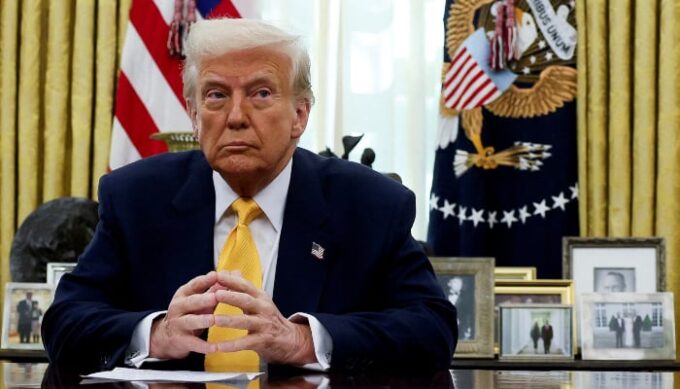
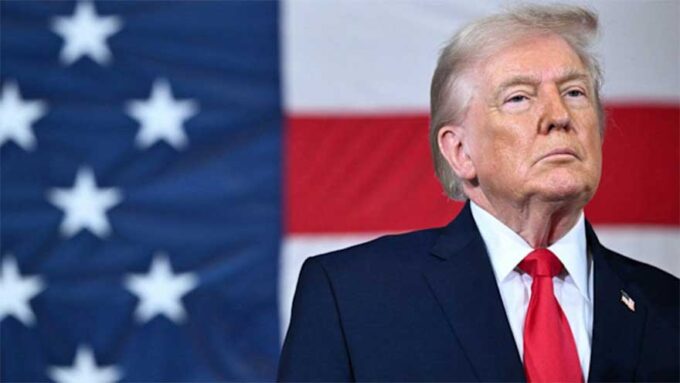
Sharaa’s coalition launched a rapid offensive in late November last year, capturing Damascus on December 8 and effectively ending Assad’s decades-long dominance. The conflict, which began in 2011 following a brutal government crackdown on pro-democracy protests, claimed more than half a million lives and displaced millions, leaving much of the country in ruins. Many Syrians see the past year’s developments as remarkable, including Sharaa’s engagement with international actors, such as former U.S. President Donald Trump, who had previously placed a bounty on Sharaa for his past militant activities.
Despite international progress, Sharaa faces significant domestic challenges. Rebuilding public trust, ensuring security, restoring institutions, and unifying a fractured country remain top priorities. Speaking at dawn prayers at the historic Umayyad Mosque, Sharaa, dressed in military attire reminiscent of his entrance into Damascus a year ago, called for collective effort to “build a strong Syria, consolidate its stability, safeguard its sovereignty, and achieve a future befitting the sacrifices of its people.”
Military personnel participated in parades across Damascus, with helicopters flying overhead and several government ministers present. Celebrations were also held in other major cities, including Aleppo, highlighting nationwide jubilation. However, humanitarian workers stressed that much remains to be done domestically. Ghaith Tarbin, a 50-year-old aid worker, noted that while Sharaa’s administration had made strides in restoring Syria’s foreign relations, urgent attention is needed to address civil peace and the reconstruction of war-torn areas.
The economic challenges are daunting. In October, the World Bank estimated Syria’s post-war reconstruction could cost up to $216 billion. Authorities have announced major investment deals, particularly in infrastructure, but tangible improvements for most Syrians remain limited. According to the United Nations refugee agency, more than three million Syrians have returned from neighbouring countries or internally, yet “increased funding is urgently needed to scale up recovery and reconstruction,” emphasizing the continued humanitarian and economic needs despite political milestones.
Monday’s anniversary celebrations thus reflected both the public’s relief at Assad’s ouster and the ongoing challenges Syria faces in translating political change into peace, stability, and reconstruction for its people.







Leave a comment