

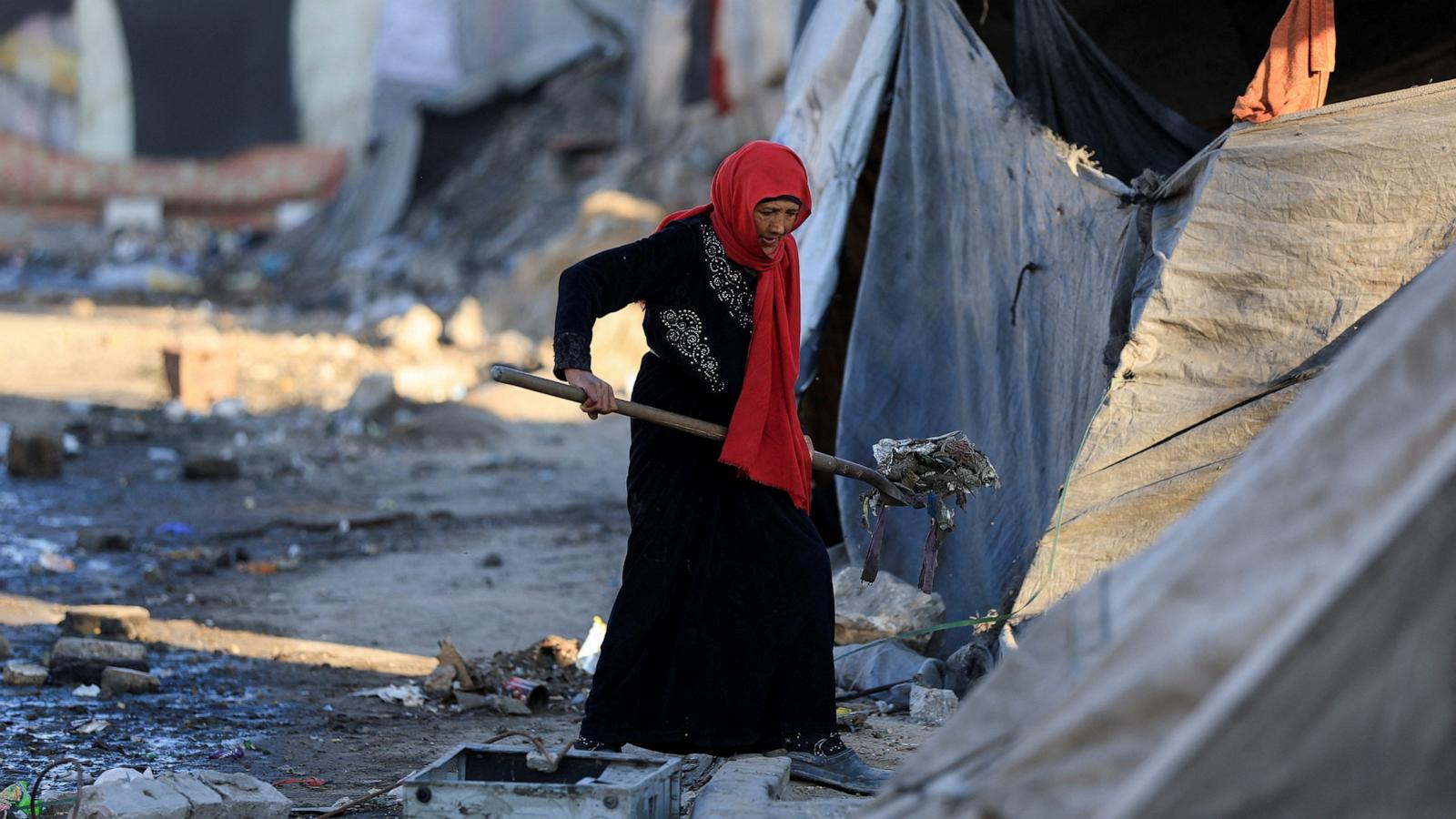
JERUSALEM: Israel will reopen the Allenby Crossing on the Jordanian border to humanitarian aid trucks bound for Gaza on Wednesday, an Israeli official announced Tuesday. This marks the first time aid shipments will pass through the crossing since it was closed in late September, following a deadly incident in which a Jordanian truck driver shot and killed two Israeli personnel.
“Following directives from the political echelon, the transfer of goods and aid from Jordan to the West Bank and Gaza will be permitted starting tomorrow,” the official said, noting that all shipments will proceed under strict security escort and thorough inspections.
The Allenby Crossing, also known as the King Hussein Bridge, is a crucial entry point for Palestinians from the occupied West Bank that does not require passing through Israel proper. While the crossing reopened briefly for travelers in September, humanitarian aid to Gaza, a territory devastated by over two years of conflict, has remained blocked. Jordan had partially filled the gap by sending some aid via the Sheikh Hussein crossing in the north of the West Bank.
Hamas Criticizes Israel’s Ceasefire Violations
In a related development, Hamas said the second phase of the Gaza ceasefire agreement cannot proceed as long as Israel continues its “violations.” The ceasefire, brokered by the United States and in effect since October 10, has brought a fragile pause to hostilities, but both sides regularly accuse each other of breaches.
Hamas political bureau member Hossam Badran accused Israel of failing to honor key aspects of the agreement, including reopening the Rafah crossing with Egypt and allowing a significant increase in aid shipments to Gaza. He called on mediators — Egypt, Qatar, and the United States — to pressure Israel to fully implement the first phase of the truce.
Under the initial deal, Palestinian factions agreed to release 48 remaining Israeli captives, both living and deceased. All have been returned except for one body. In return, Israel freed nearly 2,000 Palestinian prisoners and returned the remains of hundreds of Palestinians. The first stage of the agreement also required a substantial increase in aid flowing into Gaza.
Although Israeli Prime Minister Benjamin Netanyahu has indicated the second phase could begin soon, Badran said it cannot move forward “as long as the occupation continues its violations.” The second phase envisions disarming Hamas, further Israeli troop withdrawals, the establishment of a transitional authority, and the deployment of an international stabilization force.
Tensions Over Borders and Security
Under the first stage of the truce, Israeli forces withdrew behind what is referred to as the “Yellow Line,” yet they continue to control more than half of Gaza. Israeli military chief Lieutenant General Eyal Zamir described the line as a “new border line,” a statement sharply condemned by Hamas as evidence of Israel’s unwillingness to honor the ceasefire.
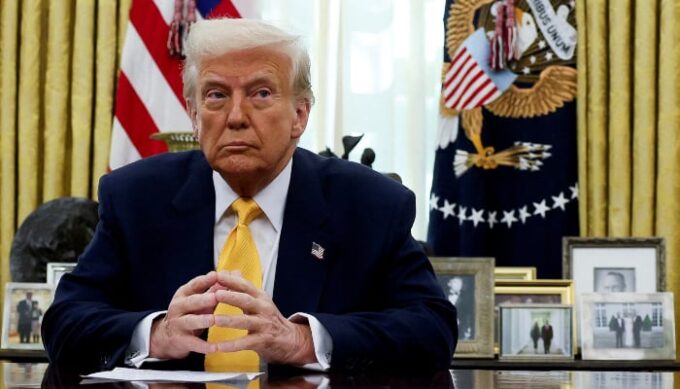
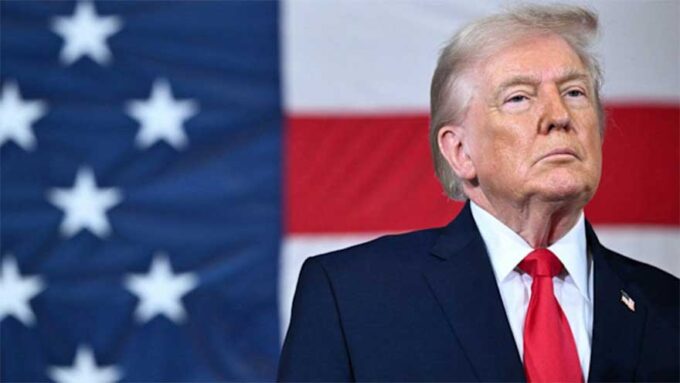
Meanwhile, Israel continues to navigate diplomatic engagements abroad. A spokeswoman for Netanyahu’s office said he will meet former US President Donald Trump in Washington on December 29, marking Netanyahu’s fifth visit to the United States this year for discussions with Trump.







Leave a comment