

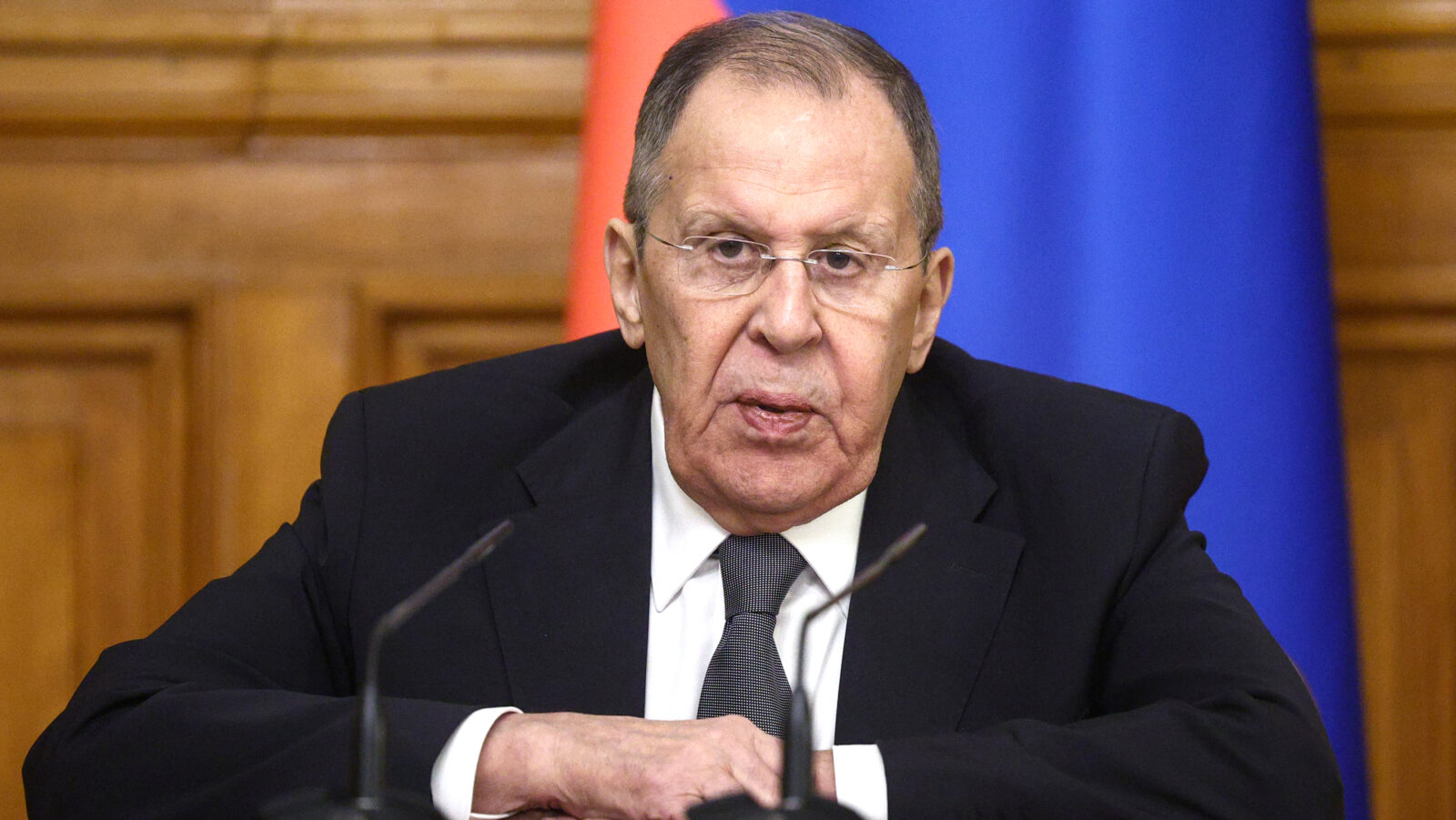
Russian Foreign Minister Sergey Lavrov has warned that any new military strikes on Iran could have serious repercussions for the international community. In an interview with Al Arabiya, Lavrov stressed that previous strikes on Iranian nuclear facilities have already caused significant risks and destabilized regional security.
“The consequences would be adverse,” Lavrov said. “Strikes on Iran have already occurred in the past, targeting the nuclear facilities supervised by the IAEA.” He emphasized that such attacks not only threaten physical safety but also undermine the authority of international institutions responsible for monitoring nuclear activities.
US and Israeli Strikes in 2025
Lavrov referred to the US and Israeli strikes on Iran in June 2025, noting that they not only jeopardized the credibility of the International Atomic Energy Agency (IAEA) and the Nuclear Non-Proliferation Treaty (NPT) but also posed “real risks of a nuclear incident.” According to the Russian foreign minister, these strikes forced Iran to reassess the physical security of its nuclear materials, which remain under strict IAEA supervision.
“The situation is more or less stable right now, judging from the data of our Iranian colleagues,” Lavrov added. “However, the strikes on nuclear facilities forced the Iranians to think about the physical protection of nuclear materials, which, I repeat, are under the IAEA’s control and cannot be ‘touched’.”
Lavrov criticized the actions of the US and Israel, stating that these attacks created both physical and political risks, while undermining the authority of the IAEA and the NPT. He stressed that Iran has repeatedly affirmed that the treaty is binding and that the country has adhered to its obligations.
Unfounded Accusations Against Iran
The Russian minister highlighted that after the signing of the Joint Comprehensive Plan of Action (JCPOA), IAEA oversight of Iran’s nuclear activities was “unprecedented.” Lavrov pointed out that Iran was never found violating the Non-Proliferation Treaty or its IAEA guarantees. According to him, the political tensions and risks arose only after the United States withdrew from the JCPOA in 2018, three years into its term.
Timeline of the 2025 Strikes
Lavrov also recounted the sequence of military events in June 2025. On June 13, Israel launched a military operation against Iran. Less than 24 hours later, Iran retaliated. On June 22, U.S. jets attacked three Iranian nuclear facilities, entering the conflict. The following evening, Tehran launched a missile strike on Al Udeid Air Base in Qatar, the largest U.S. military installation in the region. U.S. authorities reported no casualties or significant damage from the strike.
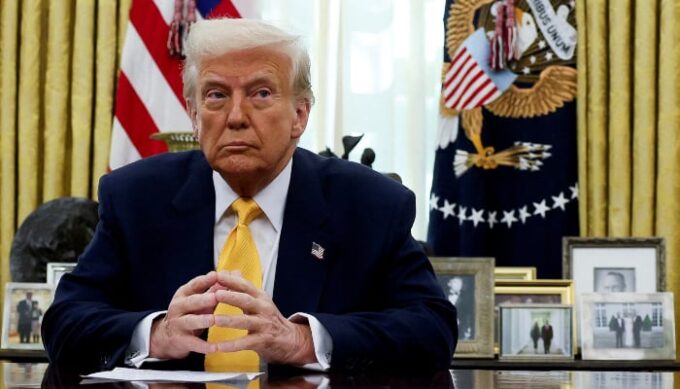
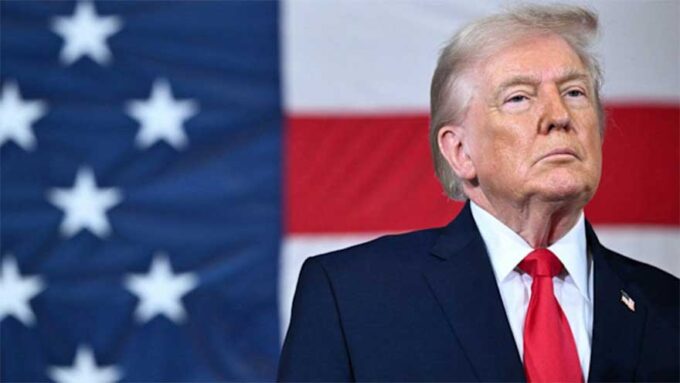
On June 24, then-President Donald Trump announced that Israel and Iran had agreed to a complete ceasefire. Israel confirmed that it had accepted the U.S. proposal and stated that it had achieved all objectives in its operation against Iran. Tehran, in turn, claimed a victory over Tel Aviv by forcing it to unilaterally halt its aggression.
Iran-IAEA Relations Strained
Following the strikes, Iran suspended all interactions with the IAEA due to the agency’s failure to condemn the attacks. Tehran resumed cooperation on September 9 after a new agreement was signed. However, on November 20, Iran sent a notice of termination of the agreement after the IAEA adopted another resolution demanding full access to Iranian nuclear facilities, which Tehran viewed as excessive and politically motivated.
Lavrov concluded by warning that any future strikes on Iran could destabilize the region further and have far-reaching consequences for international security, urging restraint and respect for international law and agreements.





Leave a comment