

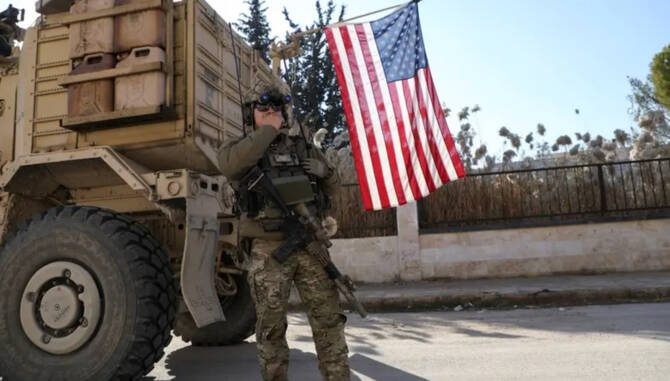
The United States is preparing to withdraw the approximately 1,000 remaining troops from Syria over the next two months, ending a nearly decade-long American military presence in the country, U.S. officials told CBS News. The troops’ departure marks the end of a mission that began in 2015 as part of the international fight against the Islamic State (ISIS).
Earlier this year, American forces left the al Tanf garrison in southern Syria and the al Shaddadi base in the northeast, signaling the initial phase of the withdrawal. The Wall Street Journal was the first to report that the final U.S. units would soon exit the country, concluding a period of sustained military involvement that supported both coalition operations and local partner forces.
Since 2015, the U.S. presence in Syria has been closely tied to the Kurdish-led Syrian Democratic Forces (SDF), which controlled large areas of northeastern Syria during the civil war that challenged Syrian President Bashar al-Assad. The SDF provided security for prisons and refugee camps holding thousands of ISIS prisoners and their families, playing a critical role in regional stability.
The security landscape in Syria has changed considerably since the collapse of the Assad government in late 2024. The Trump administration has worked with the new Syrian President Ahmed al-Sharaa, a former rebel leader who renounced past ties to al Qaeda. Sharaa’s government has clashed with the SDF but recently brokered a deal to integrate the Kurdish-led forces into Syria’s armed forces, easing tensions in the northeast.
Earlier this month, the U.S. facilitated the transfer of 5,700 ISIS fighters from detention facilities in Syria to Iraqi custody, according to U.S. Central Command, reflecting ongoing efforts to mitigate security threats even as American forces prepare to leave.
The withdrawal comes amid a history of attacks on U.S. forces in Syria. In December, two members of the Iowa National Guard and a translator were killed in an ambush by a lone ISIS gunman, prompting the Trump administration to launch Operation Hawkeye Strike, targeting ISIS positions in retaliation. American bases have also periodically faced threats from Iranian-backed groups, while U.S.-allied Kurdish forces have come under pressure from neighboring Turkey.
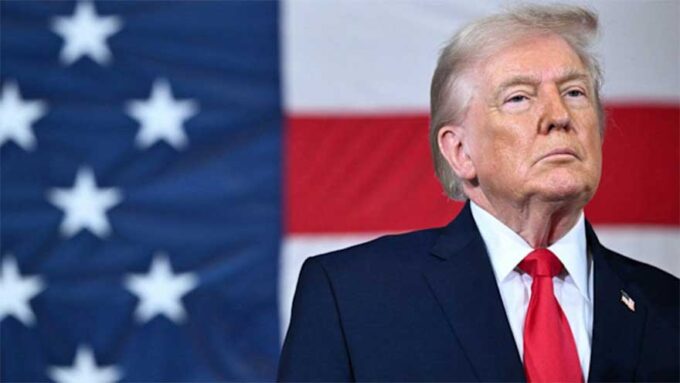
President Trump had previously sought to fully withdraw U.S. troops from Syria during his first term, announcing plans to remove all 2,000 personnel. The plan prompted Defense Secretary Jim Mattis to resign over policy disagreements. Ultimately, Trump agreed to maintain a small U.S. presence to continue counterterrorism operations and support regional partners.
With the upcoming withdrawal, the U.S. mission in Syria will transition entirely to diplomacy and coordination with regional actors, marking a significant shift in American military engagement in the Middle East after nearly ten years of sustained operations.




Leave a comment