

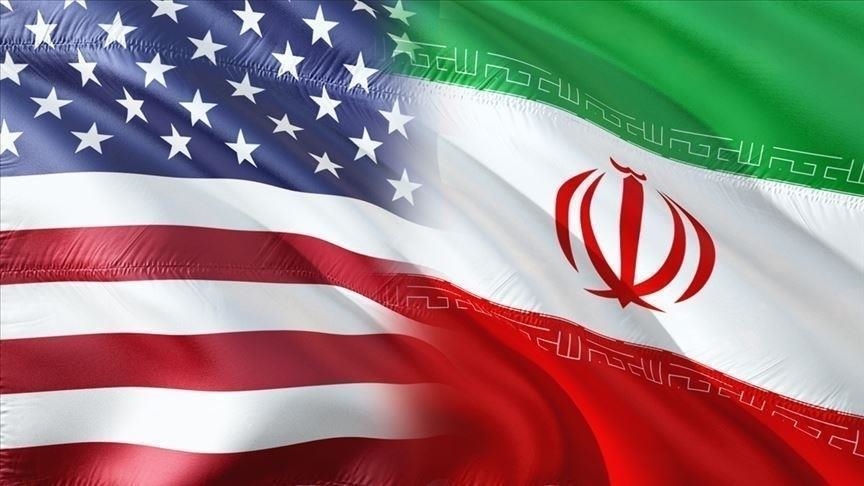
Geneva: A third round of talks between Iran and the United States over Tehran’s nuclear program has been announced, with both sides set to meet again in Geneva on Thursday amid continuing tensions.
The confirmation came from Omani Foreign Minister Badr Albusaidi, who said the upcoming negotiations would aim to build on recent contacts and work toward finalizing a potential agreement. Oman is serving as a mediator in the indirect talks between Washington and Tehran.
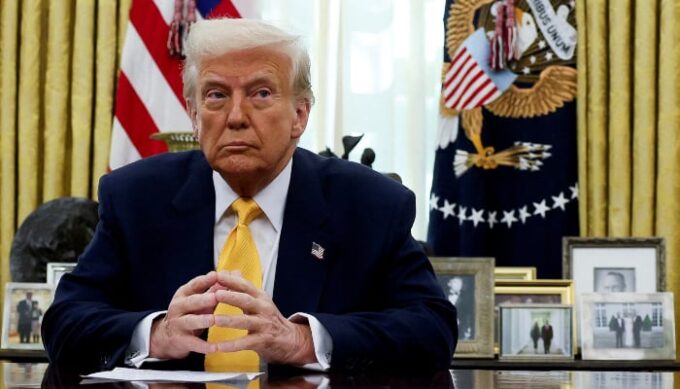
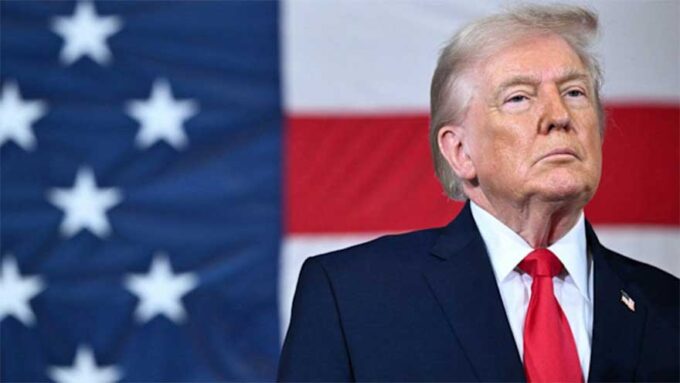
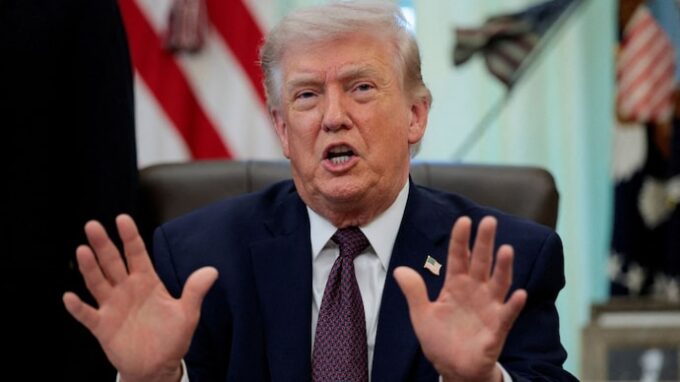
The negotiations are taking place at a time of heightened regional anxiety over possible military escalation. US President Donald Trump has warned Tehran of “very bad consequences” if the nuclear dispute remains unresolved. The United States has also reinforced its military presence in the Middle East, a move widely viewed by analysts as part of a broader pressure strategy.
On the Iranian side, President Masoud Pezeshkian described recent diplomatic contacts as encouraging, expressing cautious optimism. In a social media statement, he said the talks had produced “positive signals,” while stressing that Iran remains prepared for all possible scenarios.
The US negotiating team is being led by Trump’s special envoy Steve Witkoff. In a television interview, Witkoff said President Trump wants to understand why Iran has not “surrendered” its nuclear ambitions or accepted full restrictions on its program. He noted that Iran has enriched uranium to 60 percent purity — a level significantly above civilian energy requirements — describing the situation as potentially dangerous.
Responding to US remarks, Iranian Foreign Minister Abbas Araghchi said, “We do not bow because we are Iranian,” while emphasizing in an interview with an American broadcaster that a diplomatic solution remains achievable.
According to diplomatic sources, Iran may be considering new concessions, including transferring half of its highly enriched uranium stockpile abroad and diluting the remainder to lower levels. In return, Tehran is seeking relief from economic sanctions and formal recognition of its right to pursue peaceful nuclear enrichment.
A key point of contention remains Washington’s insistence on expanding the scope of the talks to include Iran’s missile program and its support for armed groups in the region — demands that Tehran has officially rejected. However, some diplomatic sources suggest Iran may show limited flexibility on regional issues, though it is unlikely to compromise on its missile capabilities.
Previous indirect negotiations last year failed to produce an agreement, largely because Washington demanded that Iran completely halt uranium enrichment on its soil — a condition Tehran refused.
Iran has consistently denied seeking nuclear weapons, maintaining that its nuclear activities are solely for peaceful purposes.
Tensions escalated further after the United States and Israel reportedly targeted certain Iranian nuclear facilities in recent months. President Trump claimed that key Iranian nuclear sites had been “completely destroyed,” though observers say Iran still retains a stockpile of previously enriched material — a factor that continues to complicate negotiations.
In another notable development, Witkoff revealed that, under President Trump’s direction, he also met with exiled Iranian opposition figure Reza Pahlavi.
Analysts say the Geneva talks could prove decisive not only for Iran–US relations but also for broader Middle East security. A successful agreement could significantly ease regional tensions, while failure may heighten the risk of military confrontation.
For now, both sides are signaling a mix of diplomatic hope and strategic pressure, with attention firmly focused on whether this third round in Geneva will pave the way for progress — or deepen the crisis further.






Leave a comment