

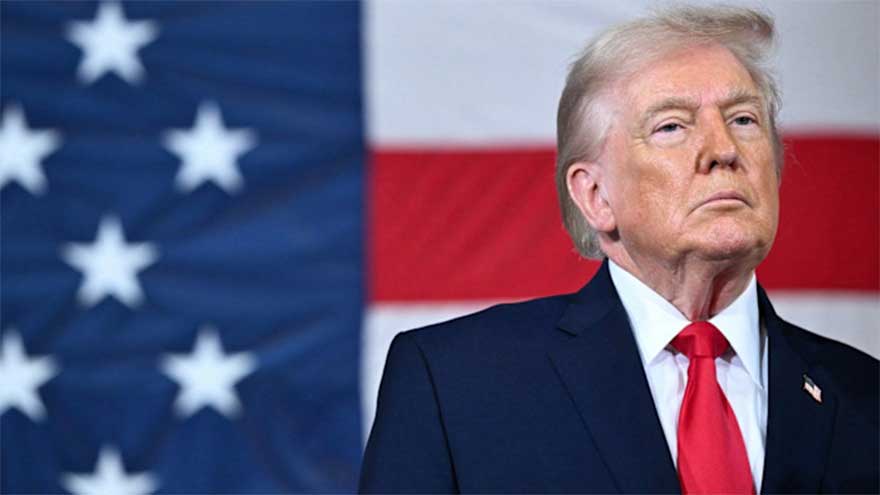
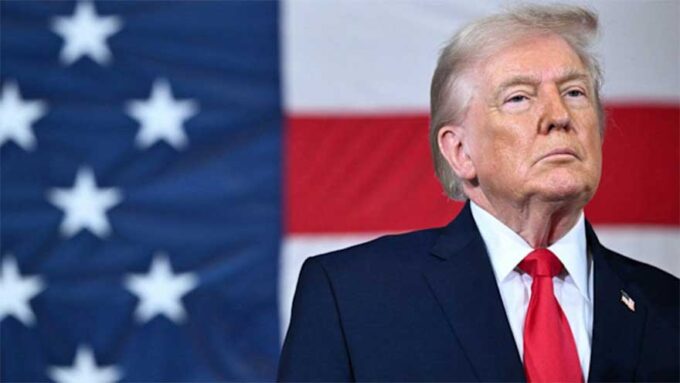
Donald Trump has urged key global powers to help secure the strategically vital Strait of Hormuz, but his call appeared to receive little immediate support as allies such as Japan and Australia said they currently have no plans to deploy naval vessels to the Middle East. The appeal comes as the ongoing conflict between the United States, Israel, and Iran enters its third week, intensifying instability across the region and raising fears about global energy supplies.
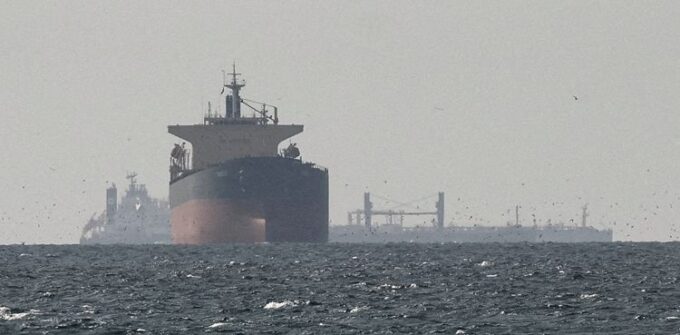
Speaking to reporters aboard Air Force One while travelling from Florida to Washington, Trump said countries that depend heavily on Gulf oil should take responsibility for protecting the critical shipping route. Nearly 20 percent of the world’s energy supplies pass through the narrow waterway, making it one of the most important maritime corridors for global trade. Trump stressed that nations benefiting from the strait should contribute to ensuring safe passage for commercial vessels amid rising tensions and security threats.
The escalating conflict has already shaken global energy markets. Asian markets reacted cautiously on Monday, with Brent crude oil prices climbing above $104.50 per barrel, reflecting concerns about potential disruptions to Middle Eastern oil infrastructure. Investors also remained wary about the possibility of wider regional instability if attacks on shipping or energy facilities continue.
Trump revealed that Washington had contacted several countries to form a coalition to safeguard shipping in the region, though he did not publicly identify them. However, in a social media post over the weekend he suggested that major economies including China, France, Japan, South Korea and United Kingdom should help ensure the security of the strait, which serves as a lifeline for energy imports to many Asian economies.
Despite Washington’s push, Tokyo signaled caution. Japanese Prime Minister Sanae Takaichi told parliament that Japan had not made any decision to dispatch escort vessels to the Middle East. She explained that Japan’s pacifist constitution, which renounces war, restricts the deployment of military forces abroad. Takaichi added that the government was evaluating what steps Japan could take independently while remaining within its legal framework.
Similarly, Australia indicated it would not be contributing naval assets to the mission. Catherine King, a cabinet member in the government of Prime Minister Anthony Albanese, said Canberra had not been asked to deploy ships and was not planning to participate in reopening the strait. She acknowledged the importance of the waterway but suggested Australia’s role in any potential effort remained limited.
Trump also increased diplomatic pressure on other major powers, particularly China. In an interview with the Financial Times, he suggested that China should assist in restoring navigation through the strait, noting that Beijing relies heavily on oil shipments passing through the corridor. Trump even hinted that he could postpone his planned meeting with Chinese President Xi Jinping in Beijing if China failed to support the effort.
The U.S. president further warned that the future of the NATO alliance could be jeopardized if European members did not step up to support Washington’s security efforts. European Union foreign ministers were scheduled to discuss strengthening a limited naval mission already operating in the Middle East, though diplomats suggested there was little expectation of expanding its mandate to escort ships through the increasingly dangerous Strait of Hormuz.
The ongoing conflict has also severely disrupted international air travel across the Middle East. Key aviation hubs such as Dubai, Doha and Abu Dhabi have restricted or suspended operations due to security risks, forcing airlines to cancel thousands of flights and leaving tens of thousands of passengers stranded. At the same time, concerns are growing about jet fuel supplies after countries including China and Thailand halted exports, prompting authorities in Vietnam to warn airlines to prepare for potential flight reductions in the coming months.
The war has also sparked fresh debate about global dependence on fossil fuels. Simon Stiell, executive secretary of the UNFCCC, said the crisis highlights the risks associated with relying heavily on oil and gas supplies from politically volatile regions.
Meanwhile, hostilities in the region continued to intensify. Israeli forces carried out additional strikes targeting militant groups in Iran, Lebanon and Gaza, including positions linked to the Iran-backed Hezbollah and Hamas. The Israeli military also confirmed the start of limited ground operations against Hezbollah positions in southern Lebanon.
Despite repeated claims by U.S. officials that Iran’s military capabilities had been significantly degraded, drone attacks continued to threaten Gulf states. Authorities in Dubai reported containing a fire after a drone strike hit a fuel tank near the city’s airport, temporarily suspending flights. In Saudi Arabia, air defenses intercepted dozens of drones in the eastern region within a single hour, though no casualties were reported.
While U.S. officials predicted the conflict could end within weeks, Iran insisted it remained resilient and prepared to continue fighting. Iranian Foreign Minister Abbas Araqchi rejected claims that Tehran had sought a ceasefire or negotiations, stating that the country would defend itself for as long as necessary. The exchange highlighted the deep divisions between Washington and Tehran as the crisis continues to reshape regional security and global energy markets.





Leave a comment