

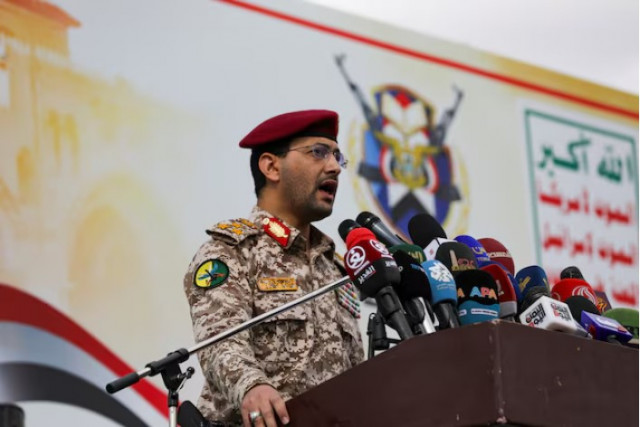
Yemen: Yemen’s Houthi rebels have claimed responsibility for their first missile attack on Israel since the outbreak of the US-Israel war on Iran. Brigadier-General Yahya Saree, military spokesperson for the Houthis, confirmed the strike in a statement aired by Al-Masirah satellite television on Saturday, according to Al Jazeera.
The Houthis had previously warned that their “fingers were on the trigger” for direct military intervention if attacks on Iran and its allied groups continued. The Israeli military reported intercepting the missile near Beer Sheba, in southern occupied Palestine. Sirens were triggered near Israel’s main nuclear research center for the third consecutive time overnight from Friday into Saturday, though no injuries were reported.
US Air Base in Saudi Arabia Targeted
Around 10 US service members were injured in an Iranian attack on Prince Sultan Air Base in Saudi Arabia on Saturday, a US official told CNN. Two of the injured suffered non-life-threatening shrapnel wounds, while others were affected, though details were unclear. A refueling aircraft was also damaged during the attack.
The Islamic Resistance in Iraq, an Iran-backed armed group, reportedly attacked multiple air bases and an airport in Jordan, according to Iraq’s Sabereen news outlet. These attacks coincided with Israeli military operations targeting Tehran, as the US expects to conclude military operations within weeks rather than months, according to Secretary of State Marco Rubio.
Widening Regional Conflict
A month after the US and Israel launched strikes on Iran, the conflict has spread across the Middle East. Thousands of civilians, primarily in Iran and Lebanon, have been killed, and global energy markets have been severely disrupted, fuelling inflation fears.
Recent attacks also hit Kuwait International Airport, damaging radar systems without causing casualties, and Oman’s Salalah port, injuring one worker and lightly damaging a crane. In Iran, an Israeli strike on Isfahan killed 26 people, including seven women and seven children. Meanwhile, Beirut’s southern suburbs have been struck again as Israel continues its multi-front ground operations against Hezbollah.
Diplomatic Efforts and International Reactions
Russian Foreign Minister Sergei Lavrov and Iranian Foreign Minister Abbas Araghchi discussed the possibility of a diplomatic settlement. Turkish Foreign Minister Hakan Fidan, speaking at the STRATCOM summit, condemned Israeli strikes on Iran, calling them “unlawful” and warning they risk plunging the region into wider war. He emphasized the need for regional states to take responsibility for security to prevent external intervention.
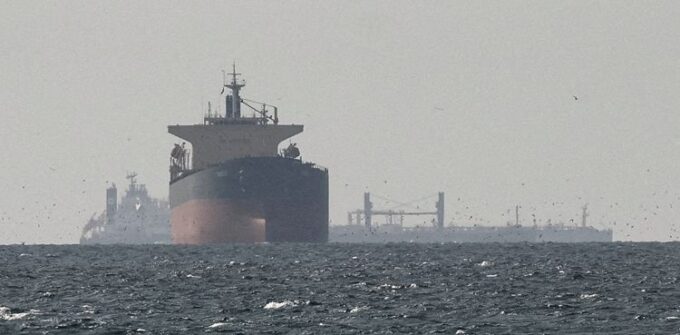
Separately, Thai authorities confirmed an agreement to allow Thai oil tankers to safely transit the Strait of Hormuz, a critical global shipping route. US military deployments are underway, with thousands of Marines and airborne soldiers en route to the Gulf to support contingency operations.
US-Israel and Iranian Strikes Intensify
US-Israeli attacks targeted Iran’s Khondab heavy water complex, a uranium processing plant in Ardakan, and two steel plants. Israel confirmed the strikes, while Iranian authorities reported no radioactive release. Iran retaliated with missile fire, causing one death in Tel Aviv and wounding at least four others. Air raid sirens sounded in Jerusalem, and explosions were reported near Jericho in the occupied West Bank.
Iranian Foreign Minister Abbas Araghchi warned that Tehran would exact a “heavy price” for Israeli strikes on key industrial and nuclear infrastructure. The Islamic Revolutionary Guard Corps (IRGC) urged workers at sites with American or Israeli ties to leave immediately, signaling potential further retaliatory attacks.
Economic and Political Implications
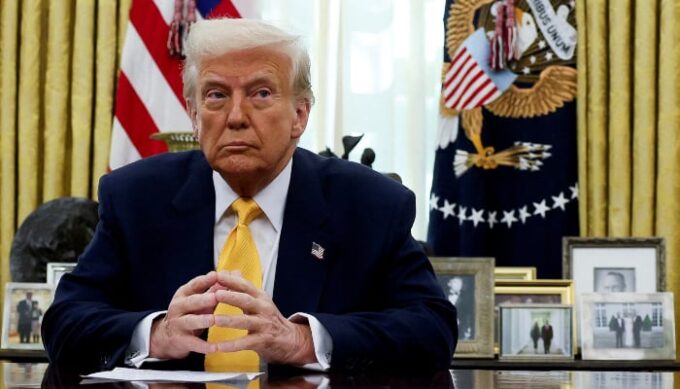
The ongoing conflict has sent Brent crude oil above $112 per barrel, a rise of over 50% since the war began. Stock markets tumbled, and US fuel prices reached record highs, with California diesel averaging $7.17 per gallon. Former President Donald Trump criticized NATO allies for not supporting the US, suggesting the lack of cooperation could impact future commitments under the alliance.
Meanwhile, Washington continues diplomatic efforts to negotiate a resolution, though Tehran insists no formal talks have begun. The US has extended a deadline for Iran to reopen the Strait of Hormuz, threatening attacks on its civilian energy infrastructure if conditions are not met.








Leave a comment