

After 35 days of intense conflict between the United States and Iran, Washington has failed to achieve any of its primary war objectives, while Iran’s retaliatory actions have imposed significant military and economic costs on the US.
The war, which began on February 28 amid ongoing indirect nuclear negotiations, has increasingly exposed what analysts describe as a lack of clear strategy on the American side. Initially, the US-led campaign aimed at three main goals: regime change in Iran, dismantling Tehran’s nuclear program, and securing control over the strategically vital Strait of Hormuz.
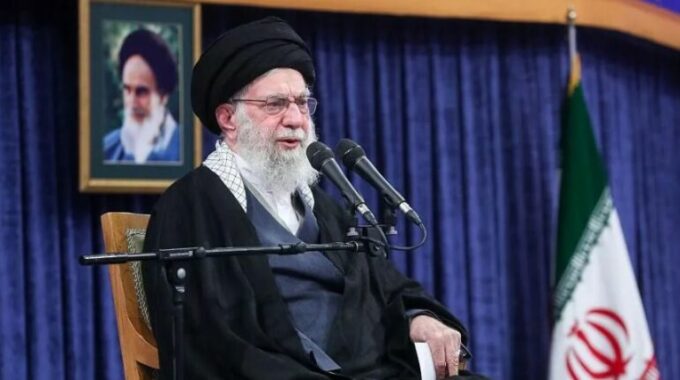
However, more than a month into the conflict, none of these objectives have been realized. Early strikes reportedly targeted top Iranian leadership and military figures, with expectations in Washington that internal instability would lead to the collapse of the Iranian government. These assumptions did not materialize, and Iranian leadership remained intact, continuing to project defiance and resilience.
On the nuclear front, US threats to eliminate Iran’s nuclear capabilities also appear to have fallen short. Iranian officials have repeatedly maintained that their nuclear program cannot be destroyed through military strikes alone, and developments during the war have reinforced this stance. The inability to achieve this objective further highlighted the limitations of the military campaign.
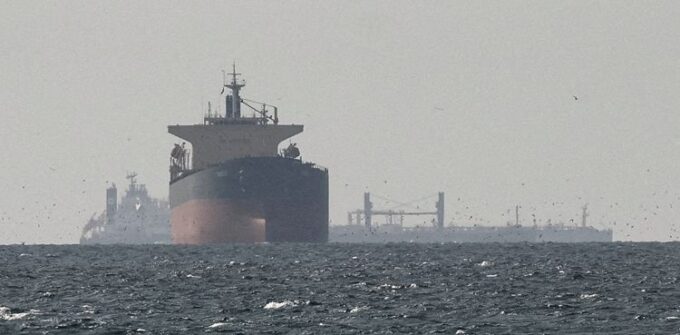
The situation surrounding the Strait of Hormuz has become another major setback for Washington. Iran has effectively restricted access to the critical waterway for US and allied vessels, disrupting one of the world’s most important shipping routes. Despite repeated warnings and deadlines issued by US President Donald Trump, no decisive action was taken to reopen the strait.
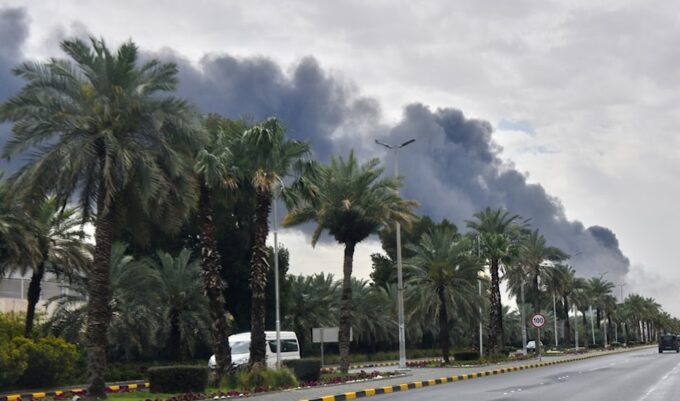
In fact, the US has reportedly softened its stance, suggesting that reopening the waterway may no longer be a central war objective. Meanwhile, Iran’s retaliatory campaign, launched under what it calls “Operation True Promise 4,” has inflicted substantial damage on US military assets across the region. Reports indicate that numerous American bases have been targeted in waves of missile and drone attacks, rendering several installations unusable.
The scale and persistence of these strikes have significantly raised the cost of the war for Washington. The financial burden of the conflict has also escalated sharply. In the first week alone, the war reportedly cost the US over $1 billion, with expenses linked to military deployments and equipment losses. Analysts warn that if the conflict continues, total military expenditures could reach tens of billions of dollars, with some projections estimating even higher long-term costs.
Beyond military spending, the economic consequences have been severe. The disruption of oil flows through the Strait of Hormuz has driven global energy prices sharply upward, with crude oil prices rising to their highest levels in years. In the United States, fuel prices have surged significantly, contributing to rising inflation and increasing pressure on consumers. Higher transportation and production costs have further amplified the economic strain, affecting everyday goods and services.
The impact of the conflict has not been limited to the US. Countries heavily dependent on energy imports have also faced serious disruptions, with supply shortages affecting transportation and logistics systems. Global markets have experienced volatility, reflecting growing uncertainty about the duration and outcome of the war. Politically, the war has triggered mounting criticism within the United States.
Lawmakers from both major parties have questioned the administration’s handling of the conflict, particularly in light of rising energy costs and the absence of clear progress on strategic goals. Public dissatisfaction has also grown, with protests reported across the country and approval ratings for the US leadership declining significantly. At the same time, reports suggest that Iran has managed to turn aspects of the conflict to its advantage, including increased oil revenues and a strengthened position in regional energy dynamics.
The ongoing disruption in global supply chains has shifted economic leverage in ways that appear to benefit Tehran. Overall, more than a month into the war, the conflict has evolved into a costly and complex confrontation for the United States. With key objectives unmet, rising economic pressure, and continued Iranian resistance, the situation remains uncertain, with no clear resolution in sight.









Leave a comment