

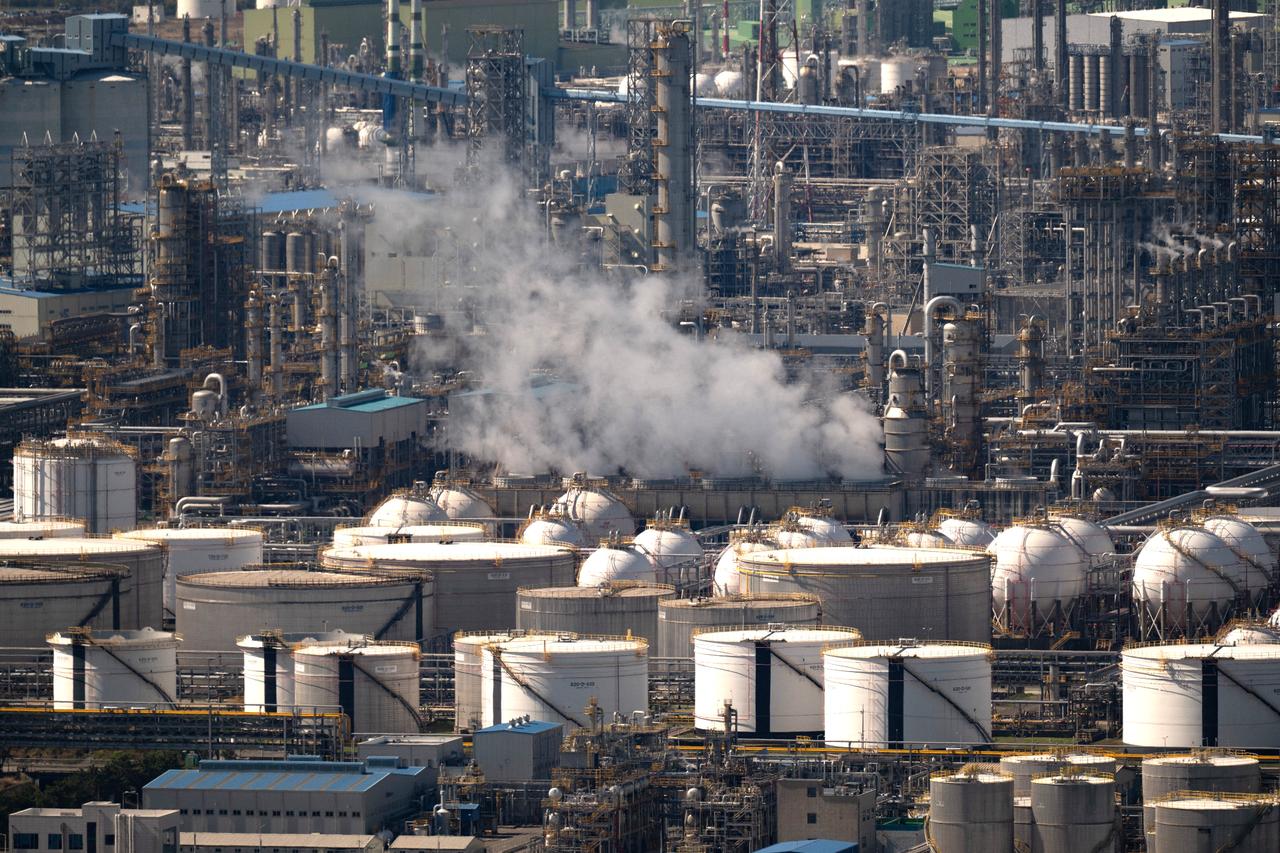
Global oil prices dropped sharply while stock markets surged after the United States and Iran reached a conditional two-week ceasefire agreement, which includes reopening the strategically vital Strait of Hormuz.
Benchmark Brent crude fell by around 13% to $94.80 (£70.73) per barrel, while US-traded crude declined by more than 15% to $95.75. Despite the sharp drop, prices remain significantly higher than pre-conflict levels, when oil was trading near $70 per barrel on 28 February.
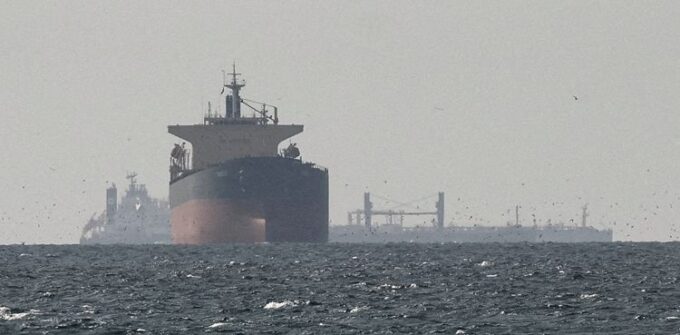
Energy costs had risen steeply in recent weeks as tensions escalated in the Middle East. Supply concerns intensified after Iran threatened to target vessels passing through the Strait of Hormuz in response to US and Israeli airstrikes, disrupting the flow of oil and gas.Stock markets across the Asia-Pacific region reacted positively to the ceasefire news.
Japan’s Nikkei 225 climbed by 5%, while South Korea’s Kospi surged nearly 6%. Hong Kong’s Hang Seng index rose by 2.8%, and Australia’s ASX 200 gained 2.7%.US stock market futures also indicated a strong opening for Wall Street.
Futures contracts, which are agreements to buy or sell assets at a predetermined price in the future, often provide an early signal of market direction before trading begins.In a social media post on Tuesday evening, Donald Trump announced that he had agreed to suspend military action against Iran for two weeks.
He said the pause was conditional on Iran ensuring the “complete, immediate, and safe opening” of the Strait of Hormuz.Trump had earlier set a deadline of 20:00 EDT (00:00 GMT), warning of severe consequences if an agreement was not reached.
Meanwhile, Abbas Araghchi stated that Tehran would agree to a ceasefire provided that attacks against Iran were halted. He also indicated that safe passage through the Strait of Hormuz would be ensured under the agreement.










Leave a comment