

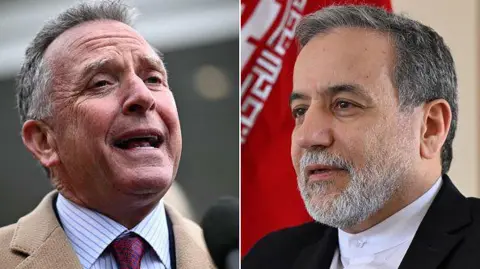
LONDON – Former UK ambassador to Russia, Tony Brenton, has said that while US President Donald Trump may consider launching a military operation against Iran, the likely outcomes of such an action are highly unpredictable.
Speaking to TASS, Brenton warned that a military strike could cause widespread destruction and loss of life without achieving clear strategic objectives. “He can destroy a lot of things. He can kill a lot of people. He can attempt to behead the regime, which I think will be very difficult to do. But it’s actually very difficult to see what he can achieve,” Brenton said, emphasizing that the result could be chaos and violence followed by claims of success without tangible gains.
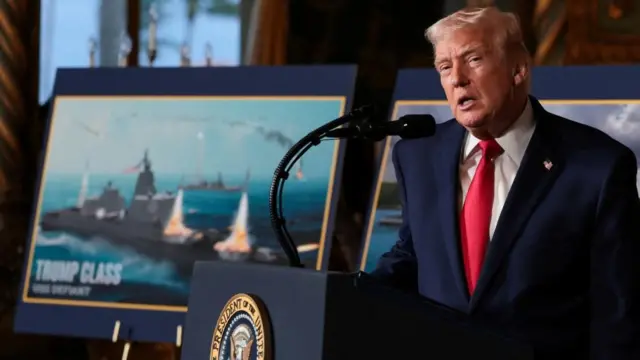
The former diplomat suggested that President Trump’s negotiation style relies on exerting massive pressure to extract concessions, a strategy reflected in the deployment of US military assets to the Persian Gulf. “Iran hasn’t conceded. Iran is sitting tight. And Trump really doesn’t want to go to war with Iran,” Brenton added, indicating that a direct conflict is not the US president’s preferred course of action.
Brenton also noted that Trump’s campaign promise to avoid “more big, long-term, remote wars” plays a role in his cautious approach. He explained that Trump hopes to secure a meaningful concession from Iran that would allow him to claim success and withdraw US forces. “If he doesn’t get that, then I think just matters of face will require him to take some sort of military action,” Brenton said.
The remarks come after the White House in January signaled that it was seriously considering military options against Iran, while also expressing hope that Tehran would engage in negotiations and agree to a complete renunciation of nuclear weapons. However, Iranian officials have consistently denied any intention to build an atomic bomb, maintaining that their nuclear program is purely for peaceful purposes.
Brenton’s analysis underscores the uncertainty surrounding US-Iran relations, highlighting that any military strike could trigger unforeseen consequences while negotiations remain stalled. The situation in the Persian Gulf continues to be tense, with both sides maintaining a firm stance amid growing international concern.



Leave a comment