

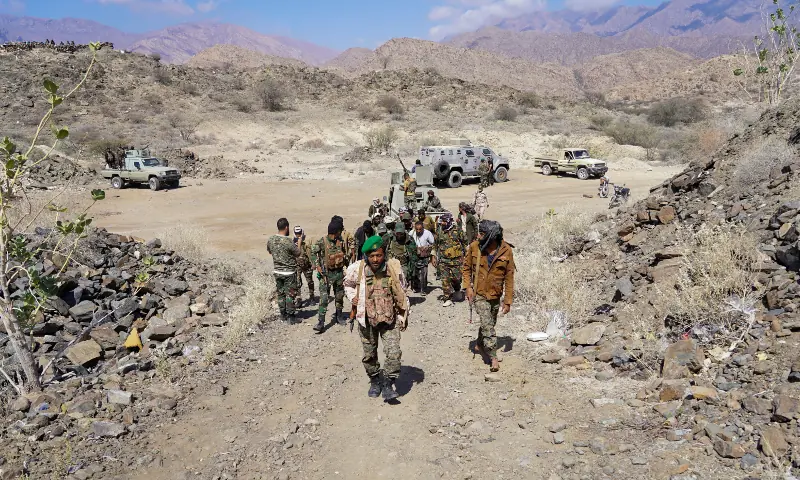
MUSCAT: Yemen’s Houthi movement and the country’s internationally recognised government have reached an agreement to exchange nearly 3,000 prisoners, marking one of the most significant confidence-building measures in the decade-long conflict. The deal, finalised on Tuesday in Oman’s capital Muscat, also includes the release of seven Saudi nationals.
The agreement followed almost two weeks of intensive negotiations between delegations from both sides, with Oman playing a central mediating role. While officials did not outline an exact timeline for implementation, observers have urged both parties to ensure the deal is carried out swiftly to reinforce fragile peace efforts.
Majed Fadhail, a member of the Yemeni government’s negotiating team, said the sides had agreed on what would be the largest prisoner exchange since the war began. He said the deal would lead to the release of “thousands” of detainees, adding that the exchange of official lists and names would begin immediately and be completed within a month.
From the Houthi side, chief negotiator Abdulqader al-Mortada confirmed the agreement in a statement posted on social media platform X. He said the deal would see 1,700 Houthi prisoners freed in exchange for 1,200 detainees held by the group, including seven Saudi citizens and 23 Sudanese nationals.
Fadhail said two of the Saudi detainees are air force pilots. He also confirmed that Mohamed Qahtan, a prominent political figure aligned with the Saudi-backed government and detained by the Houthis since 2015, is among those set to be released — a development long sought by the government and its allies.
The prisoner exchange comes at a politically sensitive moment in Yemen. Earlier this month, Yemeni separatist forces allied with the government seized control of large areas, pushing out other government units and their partners, a move that has deepened divisions within the anti-Houthi camp.
Despite these internal tensions, the prisoner swap agreement is being viewed as a rare positive step in a conflict that has devastated Yemen for more than a decade. Analysts say successful implementation could help rebuild trust between the warring sides and pave the way for broader negotiations aimed at ending the war.








Leave a comment