

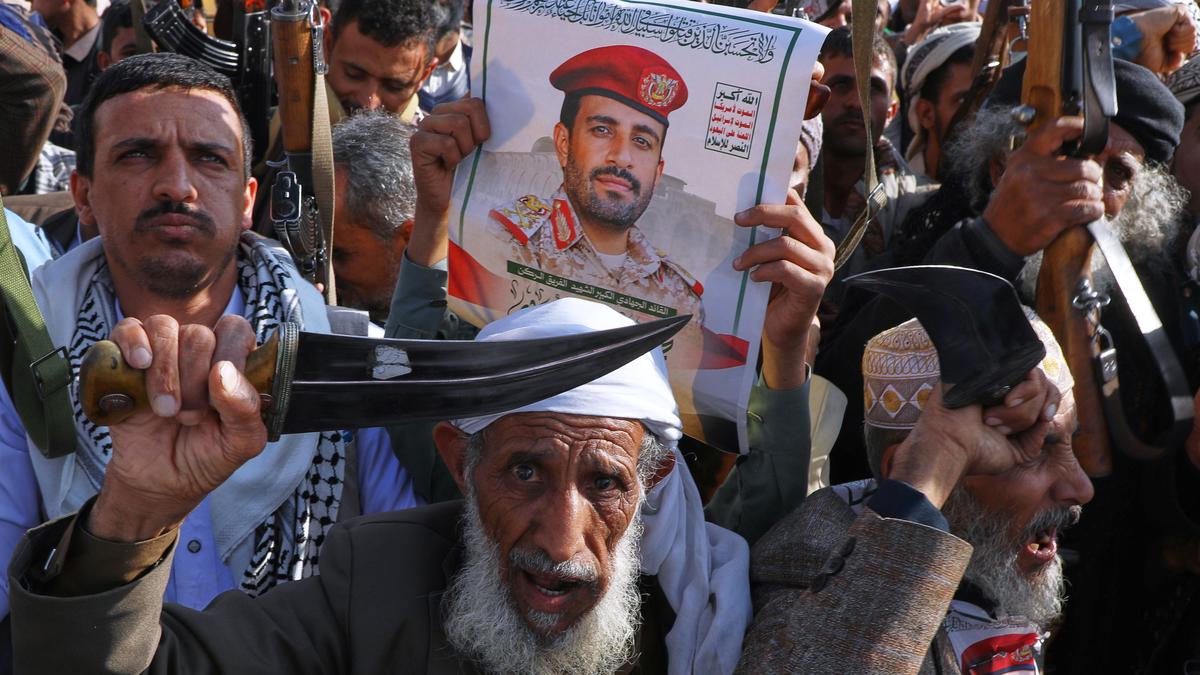
In Yemen’s capital, Sanaa, Houthi rebels have detained at least twenty staff members of the United Nations after raiding one of its offices, the latest in a series of confrontations between the group and international humanitarian agencies operating in the war-torn country.
The incident occurred when armed Houthi forces stormed a UN compound in the Hada district of Sanaa, reportedly seizing phones, computers, and communication equipment before taking staff members into custody. The detained personnel include both Yemeni nationals and foreign employees working for several UN agencies, including the World Food Programme (WFP), UNICEF, and the Office for the Coordination of Humanitarian Affairs (OCHA).
A UN spokesperson confirmed the detentions and said the organisation had initiated contact with Houthi authorities and the internationally recognised Yemeni government to secure the immediate and unconditional release of its employees. The spokesperson described the incident as an “unprecedented violation” of international humanitarian law and warned that such actions jeopardise aid operations across the country.
This is not the first time the Houthis have targeted aid workers. Over the past several months, at least 40 humanitarian personnel — including UN and NGO staff — have been detained in Houthi-controlled areas. The rebel movement has frequently accused aid workers of espionage, alleging they are collaborating with Western governments or Israel. The United Nations has strongly rejected those claims, calling them baseless and dangerous.
Yemen remains one of the world’s worst humanitarian crises after nearly a decade of conflict between the Houthis and the Saudi-backed Yemeni government. The war has displaced millions, left more than two-thirds of the population dependent on aid, and crippled the country’s already fragile economy. The Houthis’ latest actions threaten to further disrupt humanitarian assistance at a time when millions are struggling to access food, healthcare, and clean water.
In response to the growing insecurity, the UN has relocated its top humanitarian coordination office from Sanaa to Aden, the temporary seat of Yemen’s internationally recognised government. The organisation continues to maintain a limited presence in Sanaa but has imposed tighter security measures for staff and aid convoys.
The detentions have drawn condemnation from international observers and human rights groups, who argue that the Houthis are using humanitarian workers as leverage to gain political concessions and reinforce control over areas under their rule. Analysts say the crackdown reflects the rebels’ increasing efforts to consolidate power by limiting external oversight and tightening their grip on aid distribution networks.
As negotiations for a broader political settlement in Yemen remain stalled, the incident underscores the fragile environment in which humanitarian organisations operate. For aid workers still in the country, the line between political power struggles and life-saving relief work continues to blur — leaving both international and local staff vulnerable to intimidation, detention, and violence.











Leave a comment