

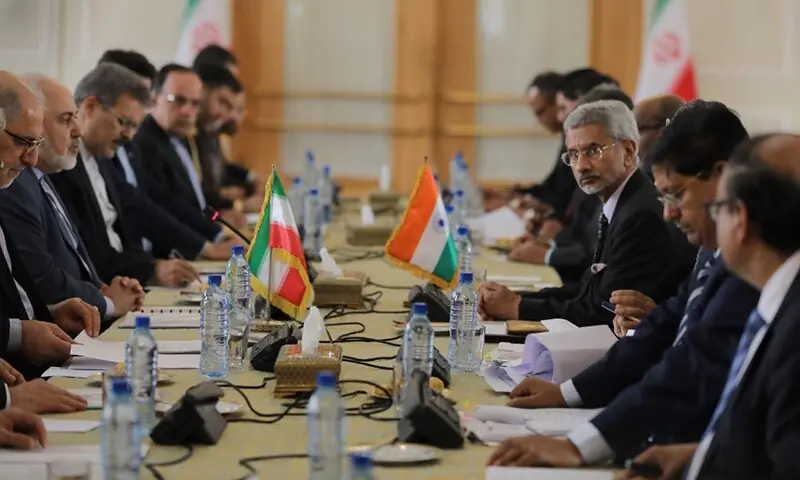
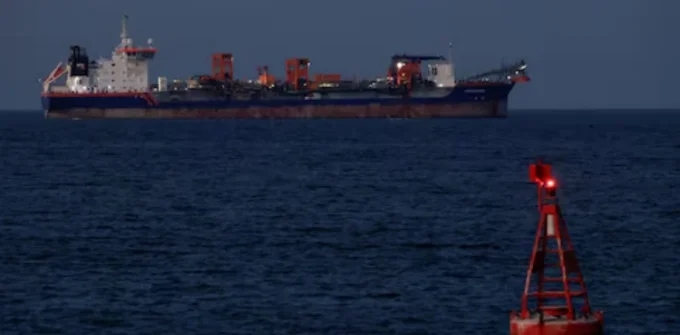
The United States has granted India a six-month exemption from sanctions on Iran’s Chabahar Port, a strategically vital project jointly developed by New Delhi and Tehran. The decision was confirmed by India’s Ministry of External Affairs, which described it as a positive development for regional connectivity and trade.
India and Iran had signed a 10-year agreement last year for the development and operation of the port, giving India direct access to the Arabian Sea and an important trade route to Afghanistan and Central Asia, effectively bypassing Pakistan. The project has long been viewed as central to India’s regional outreach and energy strategy.
The exemption follows U.S. sanctions imposed in September as part of Washington’s pressure campaign on Tehran’s nuclear programme. Under those sanctions, companies operating at Chabahar risked asset freezes and restrictions on dollar-based transactions. The new waiver, granted “in recent days,” allows Indian entities to continue work at the port without facing punitive U.S. measures until April 2026.
For India, the temporary waiver is a diplomatic success that secures one of its most critical infrastructure footholds in the region. The port not only enhances India’s trade access to landlocked Afghanistan and Central Asia but also serves as a counterbalance to China’s investment in Pakistan’s Gwadar Port, part of the China-Pakistan Economic Corridor (CPEC).
However, the limited duration of the exemption highlights the fragility of India’s position between Washington and Tehran. U.S. officials remain cautious about providing long-term relief, reflecting ongoing tensions over Iran’s nuclear and regional activities. Diplomats say the next six months will be crucial in determining whether the waiver can be extended or turned into a longer-term arrangement.
Strategic analysts note that the U.S. move may also reflect an effort to retain India’s alignment with the West while allowing New Delhi to sustain vital trade and transit links in its extended neighbourhood. By accommodating India’s strategic and economic interests, Washington seeks to ensure continued cooperation under the Indo-Pacific framework without undermining its stance on Iran.
In essence, the six-month U.S. exemption for Chabahar represents both an opportunity and a test for India’s diplomacy — a window to maintain its regional ambitions while navigating the complex balance between its partnerships with Washington and Tehran.









Leave a comment