

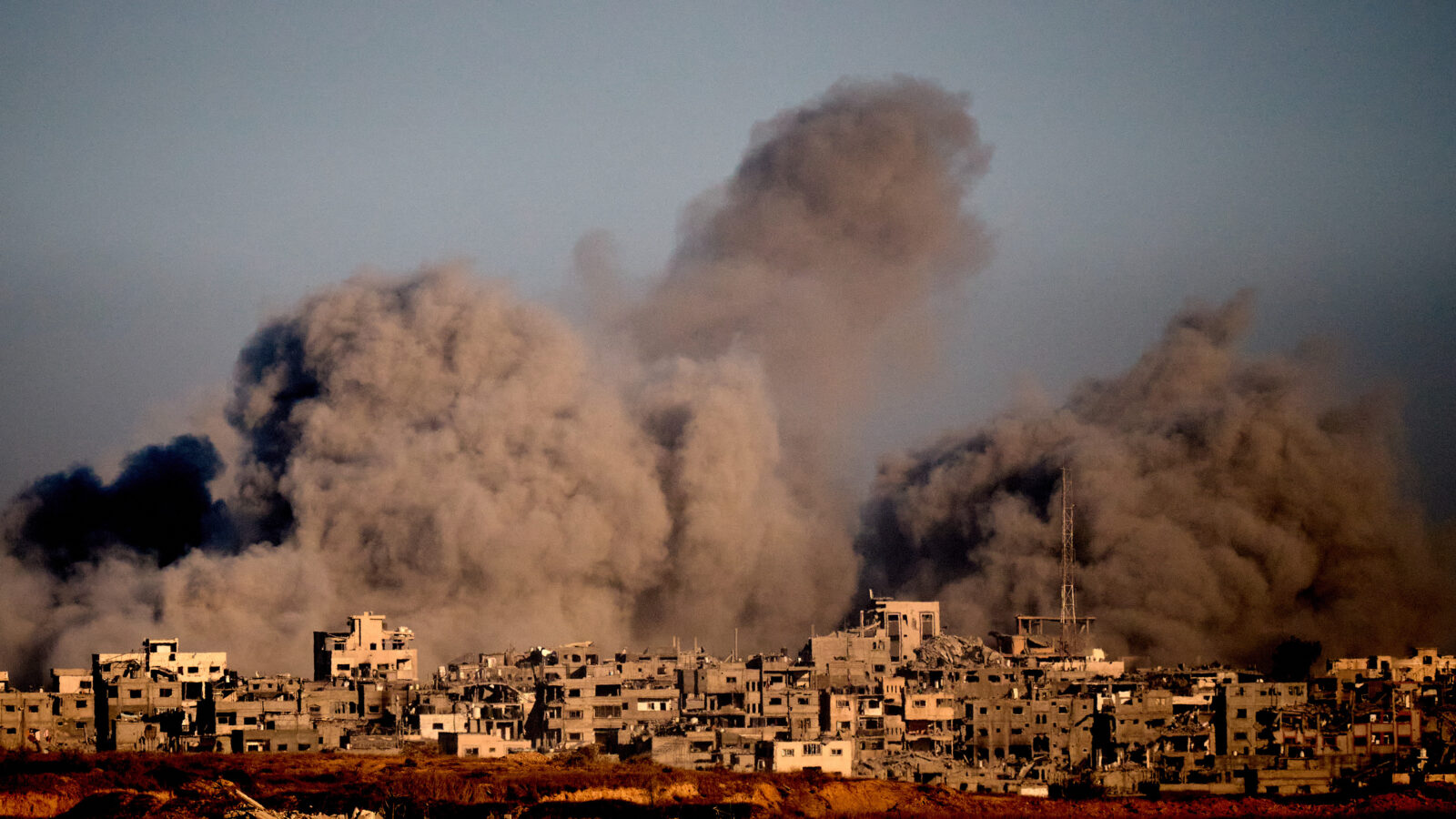
Israeli and Palestinian negotiators have reached agreement on the first phase of a ceasefire deal for Gaza, paving the way for the hostages’ release, a limited Israeli withdrawal, and increased humanitarian aid access. The breakthrough comes after weeks of pressure from mediators and mounting international concern over the humanitarian crisis.
Under the terms of this initial agreement, Hamas will release hostages held in Gaza, and in return, Israel will pull back forces from certain areas and permit new aid entry points. Both parties accepted the framework as Trump’s plan gained renewed momentum in negotiations, with the US and regional mediators playing active roles in pushing the talks forward.
One key element is the prisoner swap: Hamas is expected to hand over fewer than 20 living captives, while Israel will free approximately 2,000 Palestinian prisoners, many of whom have been held since the latest conflict erupted. The exchange is slated to begin within 72 hours of the deal’s activation.
Israel’s leadership has instructed its security commands to prepare for the hostage transfer and manage the logistical complexities, ensuring their safe return. Prime Minister Benjamin Netanyahu praised Trump’s diplomatic intervention, calling the accord a significant step toward healing. Trump, meanwhile, described the agreement as “a great day for the world,” thanking Qatar, Egypt, and Turkey for their mediation.
In Gaza, the response has been cautiously hopeful. Some Palestinians gathered in neighborhoods such as Al-Mawasi to celebrate, chanting and firing in the air. Still, uncertainty lingers — the deal’s success depends on whether Israel can adhere to the withdrawal terms and maintain the flow of vital supplies, and whether Hamas will comply fully.
Even as the agreement solidifies in principle, many challenges remain unresolved. Israel has long resisted total withdrawal, and Hamas continues to reject calls for disarmament. The broader vision under Trump’s plan, including foreign-led reconstruction with a technocratic oversight body, is controversial. Hamas insists Palestinian sovereignty must be preserved, and Arab states continue to pressure for a pathway to statehood, a demand Israel resists.
Violence also continued until the final hours of negotiation. Government forces conducted airstrikes near Gaza’s border, while explosions and cross-border fire were reported in Israel. The backdrop of ongoing conflict underscores how delicate the current truce could be.
International monitor organizations and humanitarian groups have greeted the pact as a turning point, but caution that its durability hinges on mutual trust, enforcement mechanisms, and the willingness of both sides to commit beyond words. In Gaza, where infrastructure is ravaged, the health system crumbles and millions face displacement, the first phase of the agreement offers a glimmer of relief — though many fear it is only a tentative step on a long, hazardous path toward lasting peace.







Leave a comment