

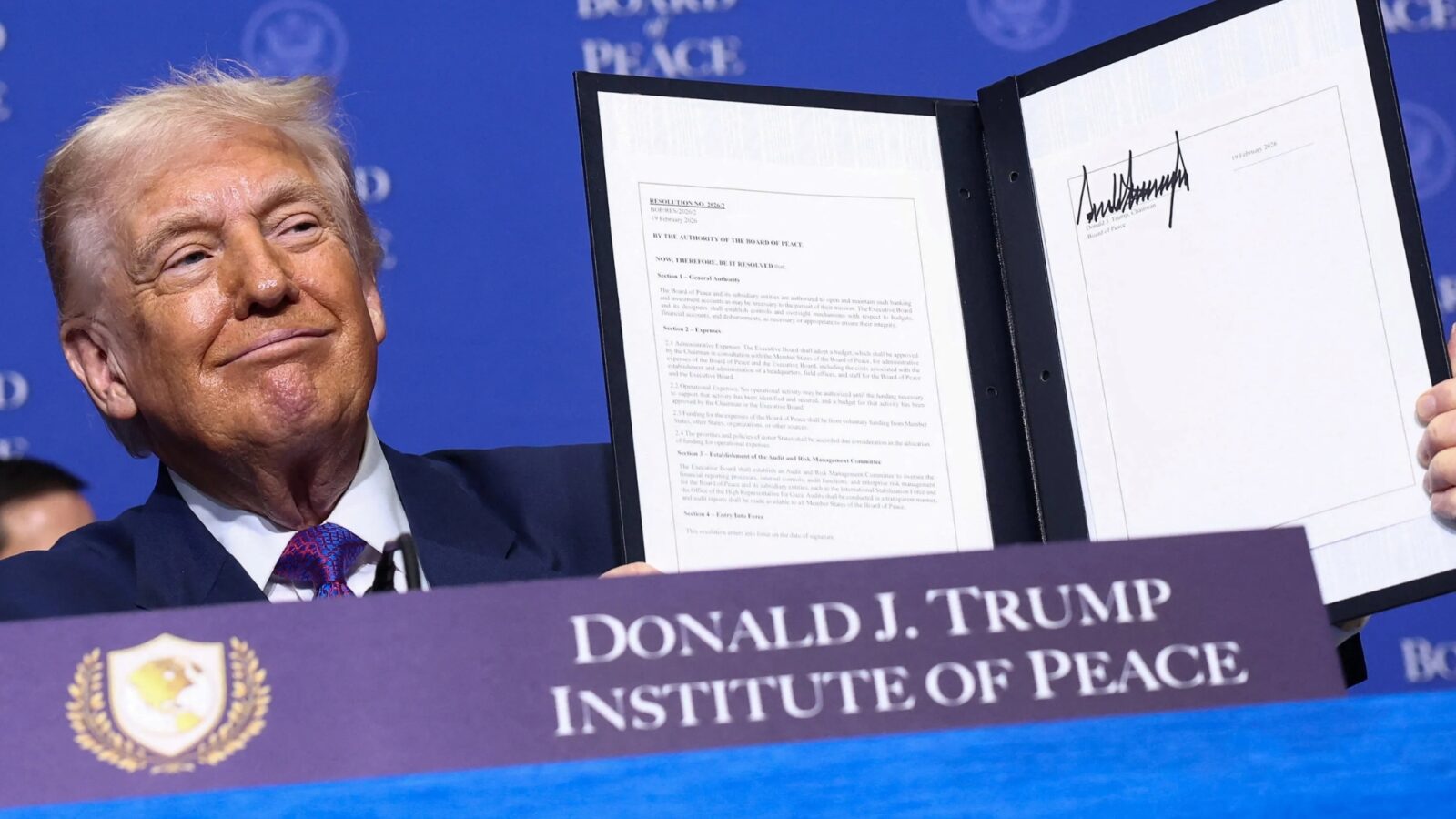
Five Countries Pledge Troops for Gaza Under New International Stabilization Plan as Hamas Rejects Initiative. Indonesia, Morocco, Kazakhstan, Kosovo and Albania have pledged to send troops to Gaza under a newly proposed International Stabilization Force (ISF), according to the commander appointed to lead the mission. The announcement was made during a meeting of U.S. President Donald Trump’s so-called Board of Peace in Washington, DC.
U.S. Army General Jasper Jeffers, selected to head the planned Gaza stabilization force, said Indonesia has accepted the role of deputy commander within the mission. “With these first steps, we will help bring the security that Gaza needs,” Jeffers stated during the meeting.
Countries Outline Contributions
Indonesian President Prabowo Subianto said Jakarta is prepared to contribute up to 8,000 personnel to the mission in what he described as an effort to “make this peace work” in the war-torn Palestinian territory.
Kazakhstan’s President Kassym-Jomart Tokayev confirmed that his country would deploy troops, including medical units, though he did not provide specific numbers. Morocco’s Foreign Minister Nasser Bourita said Rabat is ready to send police officers, while Albania also pledged military participation. Egypt and Jordan indicated they would assist by training Palestinian police forces.
Indonesia’s Foreign Ministry emphasized that its troops would have a strictly humanitarian mandate focused on civilian protection, medical assistance, reconstruction and capacity building for Palestinian police forces. Officials stressed that Indonesian forces would not participate in combat operations or direct confrontations with armed groups.
Amnesty and Legal Concerns
However, the initiative has drawn criticism from Amnesty International, whose Indonesia chapter warned that participation in the stabilization force could risk complicity in violations of international humanitarian law. Critics argue that the structure of the Board of Peace excludes meaningful Palestinian representation and may reinforce Israel’s control over Gaza.
Hamas Rejects the Initiative
In a press release issued following the Washington meeting, the Hamas strongly rejected the proposed political arrangements for Gaza.
The movement stated that any political process concerning the future of Gaza must begin with a complete cessation of Israeli military operations, the lifting of the blockade, and recognition of what it described as the Palestinian people’s legitimate national rights, including self-determination.
Hamas further argued that convening such a meeting while Israeli military operations and alleged ceasefire violations continue places responsibility on the international community to pressure Israel to halt its actions, open border crossings, allow unrestricted humanitarian aid, and begin reconstruction immediately.
The group called on mediators and international stakeholders to ensure full implementation of existing agreements and to work toward a permanent ceasefire. According to the statement, lasting stability in Gaza can only be achieved by addressing what it described as the root cause of the conflict Israel’s occupation — and by enabling Palestinians to exercise their political rights without restriction.
Uncertain Path Ahead
The proposed Gaza stabilization force differs from traditional peacekeeping missions led by bodies such as the United Nations. For example, the United Nations Interim Force in Lebanon (UNIFIL), established in 1978, operates under a UN mandate and includes troops from dozens of countries.
The structure, authority and long-term mandate of the International Stabilization Force for Gaza remain unclear. While several countries have pledged personnel, strong opposition from Hamas and concerns from rights groups highlight the political and legal complexities surrounding any foreign deployment in Gaza.
As diplomatic efforts continue, the formation of the force and its acceptance by parties on the ground will likely determine whether it can move from proposal to implementation.









Leave a comment