

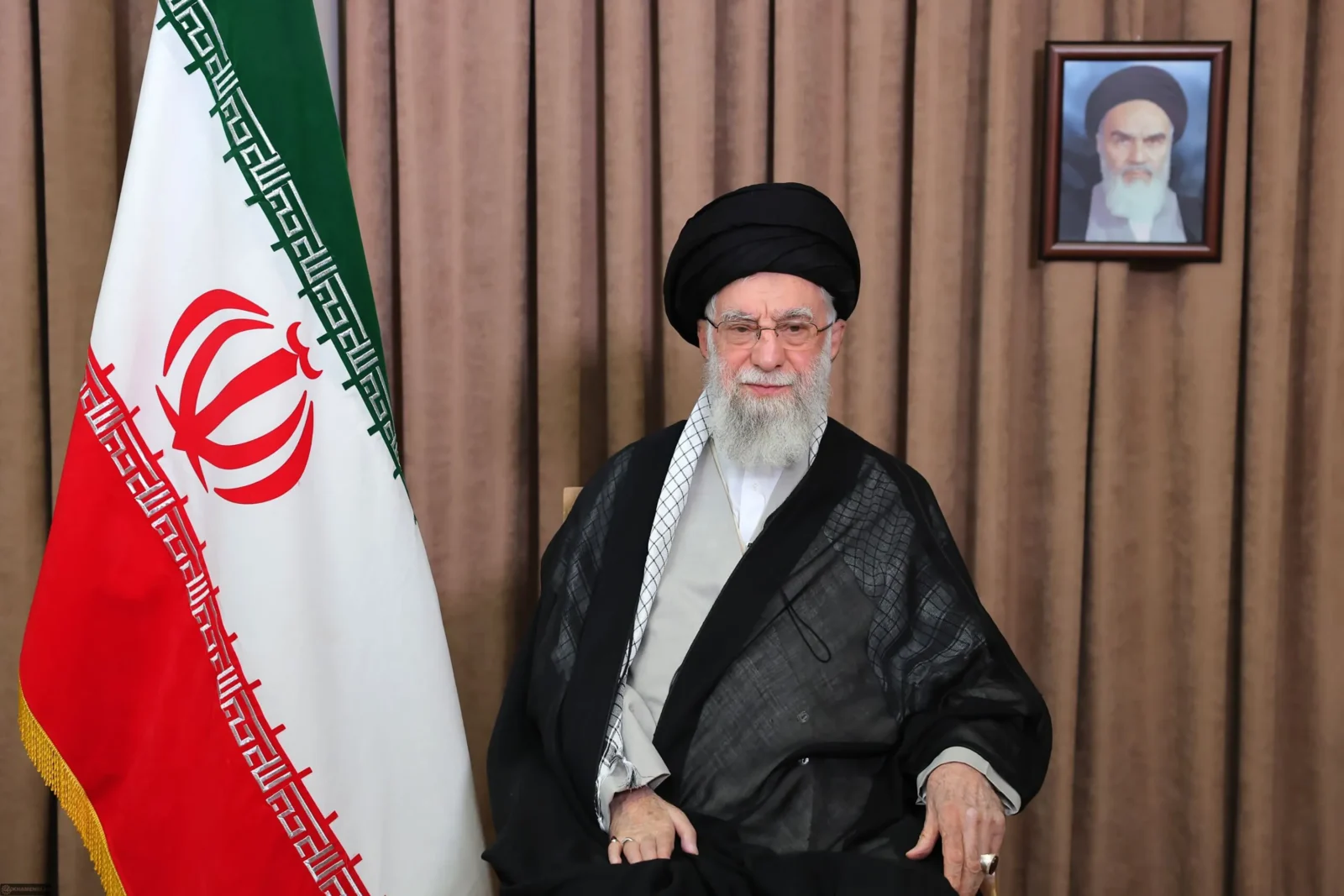
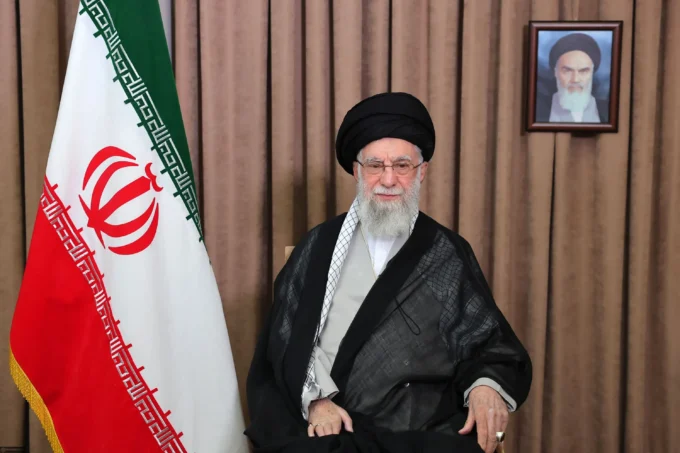
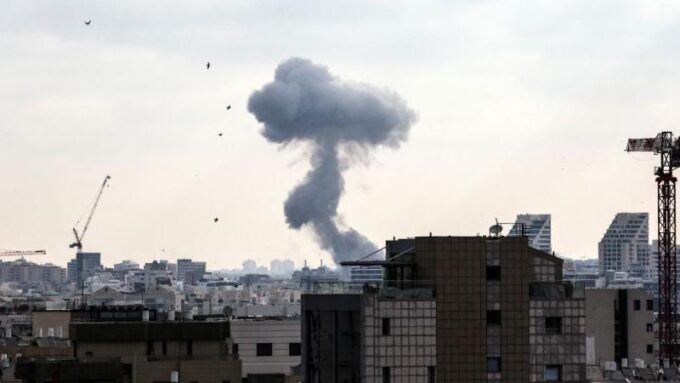
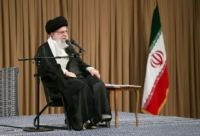
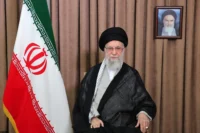
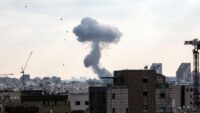
TEHRAN: Iran’s Supreme Leader, Ayatollah Ali Khamenei, has been assassinated following large-scale strikes carried out by the United States and Israel, according to Iranian state media. The announcement was made Sunday morning, a day after what officials described as one of the most extensive coordinated attacks on Iranian targets in decades. Khamenei, who had led Iran since 1989, was reported killed after his compound was struck in the early hours of Saturday.
A senior Israeli official told Reuters that Khamenei’s body had been located after the strike. US President Donald Trump said Washington had worked closely with Israel in targeting Iran’s leadership, describing the operation as a decisive move against what he characterized as a long-standing threat posed by Tehran. Trump stated that US intelligence had closely tracked Khamenei’s movements and claimed the strikes were intended to prevent Iran from advancing its nuclear weapons capability.
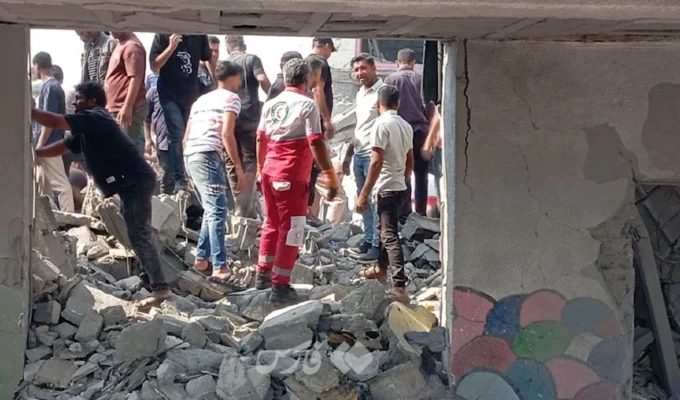
Israeli Prime Minister Benjamin Netanyahu confirmed that Khamenei’s compound had been destroyed in the operation. Sources familiar with the matter said several senior Iranian officials were also killed, including Defence Minister Amir Nasirzadeh, Revolutionary Guards commander Mohammed Pakpour, and Ali Shamkhani, a senior adviser to the supreme leader. Iranian media further reported casualties among members of Khamenei’s family.
Iranian state television initially reported that Khamenei had been “carrying out his assigned duties” at his office before confirming his death. Authorities declared 40 days of national mourning and seven days of public holidays. In a statement, Iran’s Revolutionary Guards paid tribute to Khamenei’s leadership and vowed severe retaliation against what they described as the “murderers,” warning of imminent and intensified offensives against Israel and US bases in the region.
Tehran responded swiftly to the strikes by launching missiles toward Israel and several other countries in the region, including Gulf states that host US military bases. Iranian officials denounced the attacks as unprovoked and illegal, framing them as an act of aggression during an ongoing period of diplomatic engagement with Washington.
The strikes come amid heightened tensions over Iran’s nuclear programme. Although US and Iranian officials had engaged in negotiations as recently as Thursday, American officials said Tehran refused to relinquish its uranium enrichment capabilities. Iran has long maintained that its nuclear activities are intended for civilian energy purposes, while the United States and Israel argue the programme could enable Iran to develop nuclear weapons.
At an emergency session of the United Nations Security Council, representatives from Russia and China criticized Washington and Israel for launching strikes during diplomatic talks. Russia’s UN envoy, Vasily Nebenzya, accused the United States of undermining negotiations, while UN Secretary-General Antonio Guterres called for an immediate cessation of hostilities.
The developments mark a dramatic escalation in regional tensions and represent one of the most consequential geopolitical shifts in the Middle East in decades. Domestically, President Trump also faced criticism from opposition Democrats and some members of his own Republican Party, who questioned the legality of an extended military campaign without explicit congressional authorization.



Leave a comment