

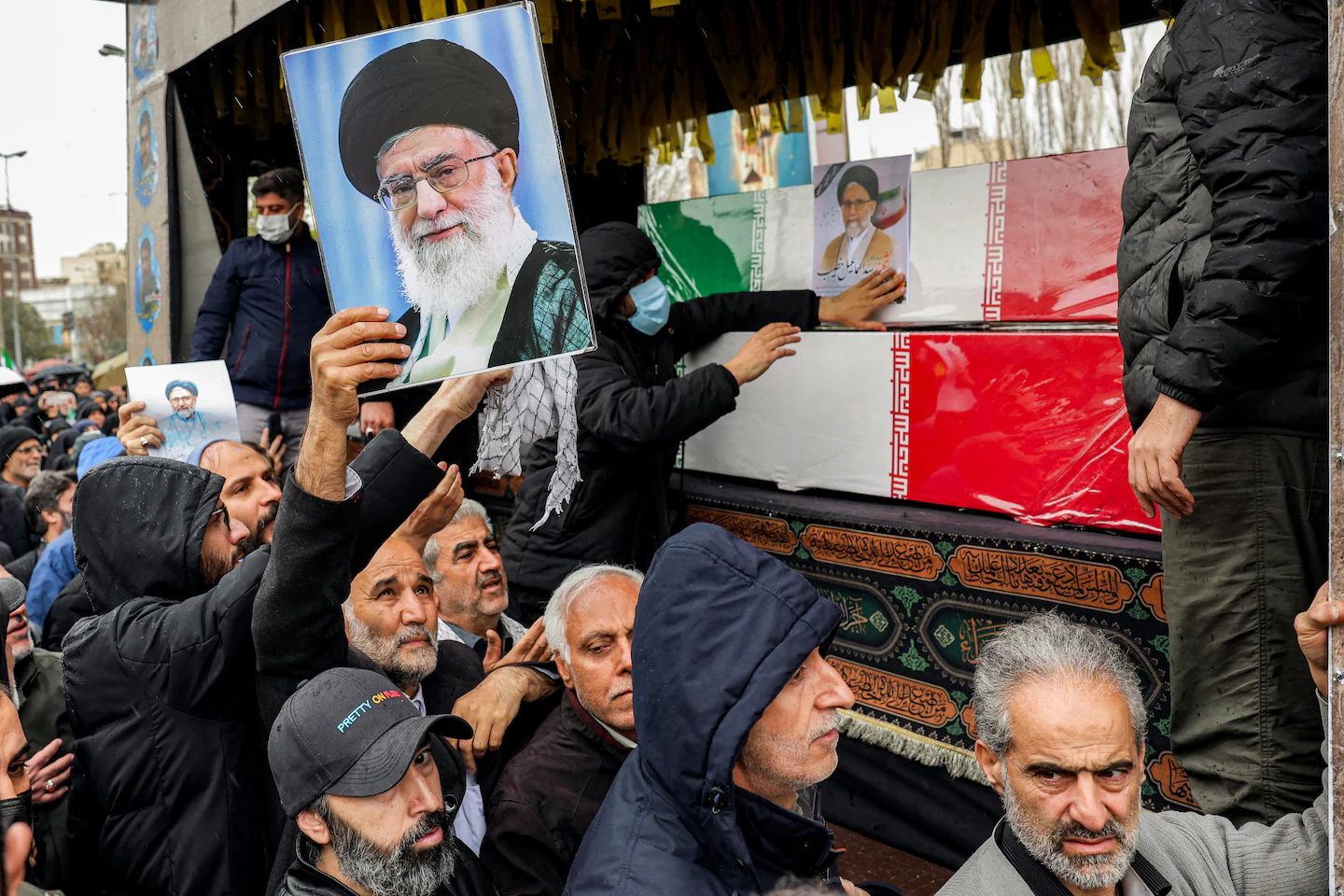
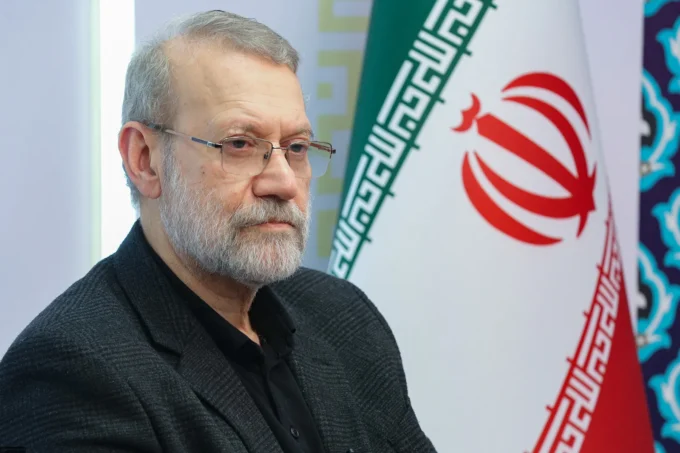
TEHRAN: A day after Iran launched a wave of retaliatory strikes against Israel, President Masoud Pezeshkian said that external “threats and terror” would only strengthen national unity, signalling Tehran’s refusal to back down as tensions escalate across the region.
His remarks came after Donald Trump threatened to target Iran’s power plants if the Strait of Hormuz was not fully reopened, while urging allied nations to help secure the critical waterway. The White House said several NATO-aligned and partner countries had expressed readiness to contribute to efforts ensuring safe maritime passage.
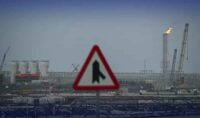
Despite mounting international pressure, Pezeshkian warned that Iran would “firmly confront” what he described as hostile threats, insisting that the Strait remains open to global shipping except for vessels linked to adversaries. Iranian military command Khatam al-Anbiya Central Headquarters echoed this stance, stating that the waterway remains under Tehran’s “intelligent control” and could be fully closed if Iran’s infrastructure comes under further attack.
Tehran also escalated its rhetoric by warning that it could target energy, communications, and industrial infrastructure not only in Israel but also in countries hosting US military bases. At the same time, Iran signalled limited cooperation with the International Maritime Organization to maintain maritime safety, indicating a dual-track approach of deterrence and diplomacy.
Global Diplomatic and Economic Pressures
The crisis has triggered a complex international response. US Treasury Secretary Scott Bessent suggested that escalation might be necessary to ultimately de-escalate the conflict, defending Washington’s controversial decision to ease certain sanctions on Iranian oil as a way to stabilise global prices.
Meanwhile, global leaders are scrambling to assess the economic fallout. British Prime Minister Keir Starmer is expected to convene emergency talks to evaluate the war’s economic impact, as energy markets remain volatile and fears of prolonged disruption grow.
Iran’s Foreign Minister Abbas Araghchi has formally appealed to the UN Security Council, demanding condemnation of US-Israeli strikes and calling for reparations for damage to Iran’s nuclear and civilian infrastructure.
Escalation of Military Operations
The war has entered its fourth week with intensified military activity on both sides. US Central Command reported that American forces struck key Iranian military installations, including underground missile storage sites and assembly facilities near Tehran, in an effort to weaken Iran’s ability to threaten maritime routes.
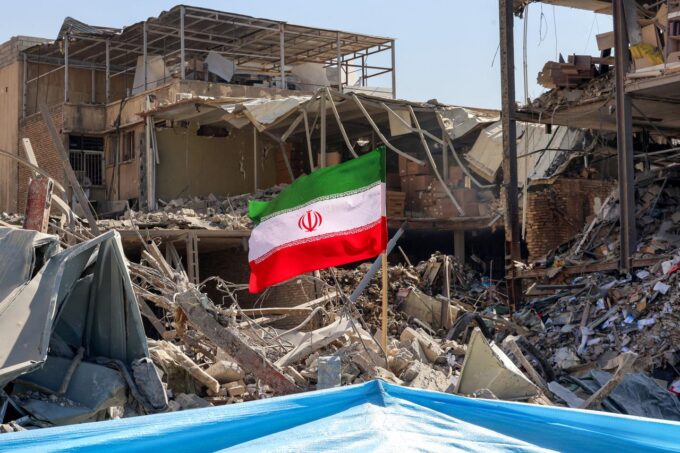
Israel has also expanded its targeting, claiming strikes on facilities allegedly linked to Iran’s nuclear programme. In response, Iran has launched missile attacks into Israeli territory, including strikes on Dimona, a location widely believed to host sensitive nuclear-related facilities. The attacks caused significant damage and injuries, further raising the stakes in the confrontation.
Humanitarian Impact and Civilian Toll
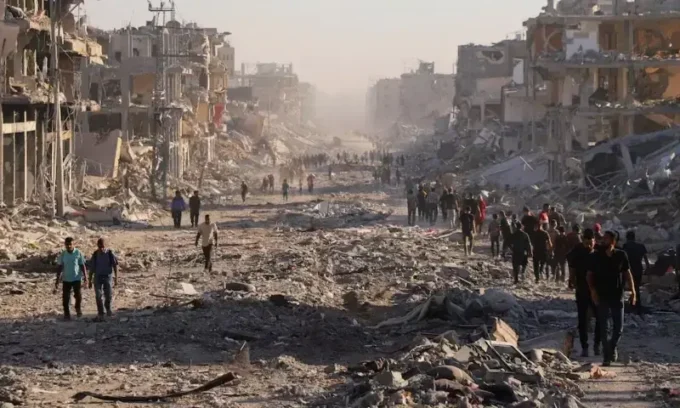
The human cost of the conflict continues to mount. Iranian officials report that hundreds of civilians, including children, have been killed or injured in US-Israeli strikes, with damage reported to hundreds of medical and emergency facilities.
Across the region, missile and drone exchanges have disrupted daily life, damaged infrastructure, and heightened fears of a broader war. International agencies, including nuclear watchdog officials, have warned of the خطر of a potential nuclear accident if military strikes continue near sensitive facilities.
Rising Gulf Tensions
Relations between Iran and Gulf Cooperation Council countries have deteriorated sharply. The GCC has rejected Iran’s accusations of complicity in military operations, while condemning Tehran’s attacks on regional infrastructure.
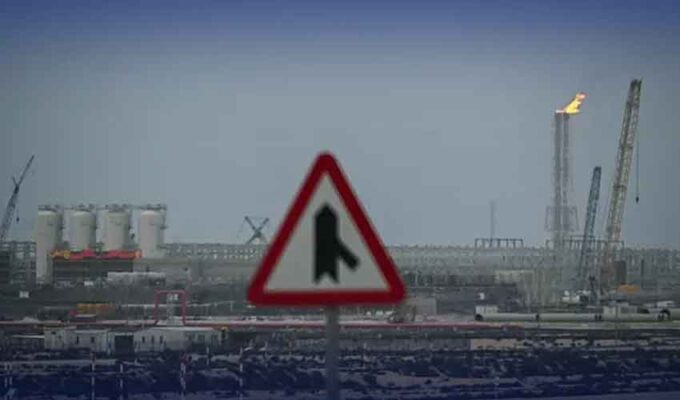
Countries such as Saudi Arabia and United Arab Emirates have reported intercepting drones and missiles, while Qatar remains on high alert following strikes on its energy facilities.
Analysts warn that if the conflict drags on for months, the impact on global energy supplies and economic stability could be severe, with ripple effects across international markets.




Leave a comment