

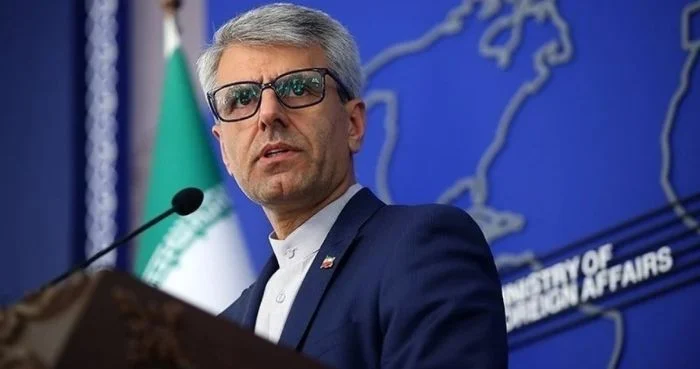
Iran has rejected the United States’ proposed ceasefire, warning that any temporary pause would only allow adversaries to regroup and carry out further acts against the nation, state media reported.
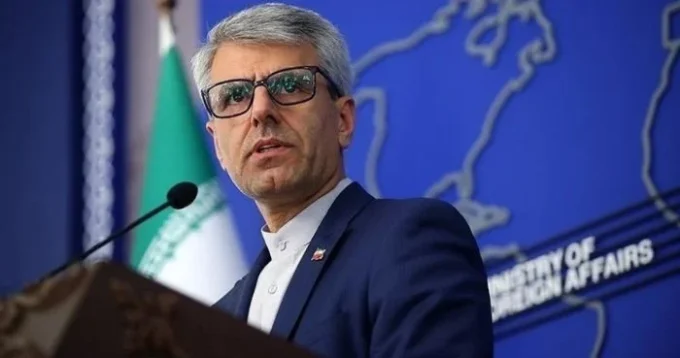
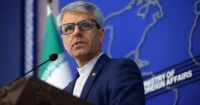
On Monday, Esmaeil Baghaei, spokesman for the Iranian Foreign Ministry, addressed a 15-point American proposal aimed at ending Washington’s ongoing aggression toward the Islamic Republic, which was communicated through intermediaries, according to Press TV.
The proposal reportedly demanded that Iran abandon its peaceful nuclear activities, limit its defensive missile program, and reopen the strategic Strait of Hormuz. Iran has categorically refused the first two conditions.
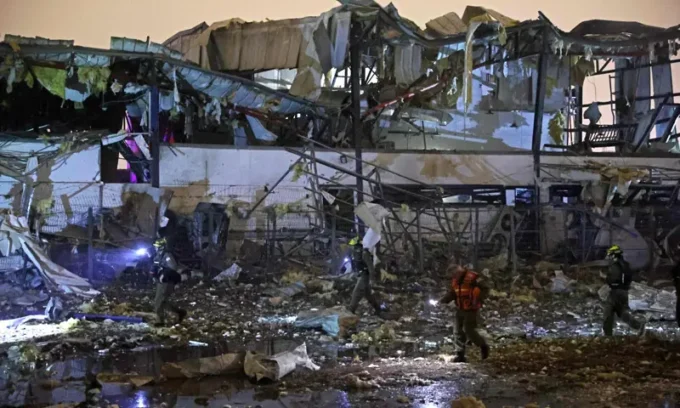
Baghaei emphasized that Iran will not accept unilateral “ceasefire” pledges. He called for a definitive end to aggression and demanded compensation for the extensive damage to the country’s infrastructure. He described Washington’s demands as “highly excessive and unusual,” citing U.S. President Donald Trump’s threats to target Iran’s vital infrastructure if the country did not comply.
The spokesman argued that America’s purported pursuit of diplomacy contradicts its ongoing hostile actions. He accused the U.S. of issuing threats and endorsing Israeli actions, labeling these acts as war crimes.Baghaei also reminded the public of the U.S.’s history of breaking trust, stating, “All our attention must be focused on defending the country.”
While Iran finds the American proposal “completely unacceptable,” it has prepared its own document outlining demands based on national interests, which will be communicated when appropriate.The Foreign Ministry spokesman additionally warned of potential false-flag attacks being plotted by the U.S. and Israel, including in Europe, to justify further aggression.
“The concept of a false flag [attack] is neither a claim nor a conspiracy theory; it has been repeatedly carried out by the U.S. and the regime… We invite everyone to remain aware of the U.S.’s and the Zionist regime’s actions,” he said.
Finally, Baghaei criticized the IAEA for its silence on attacks against Iran’s nuclear facilities. He accused the UN watchdog of attempting to “normalize” these atrocities by refusing to condemn them.








Leave a comment