

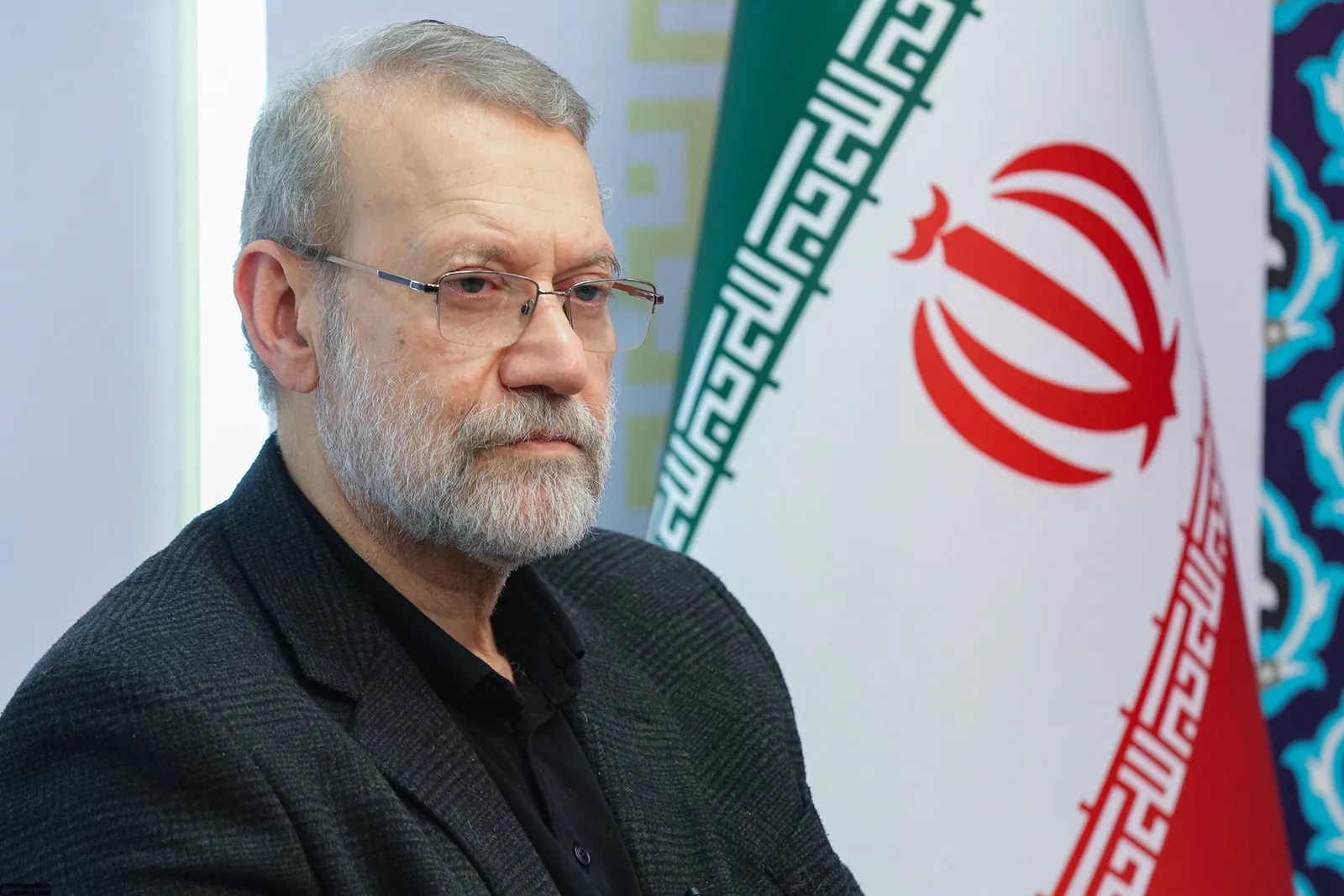
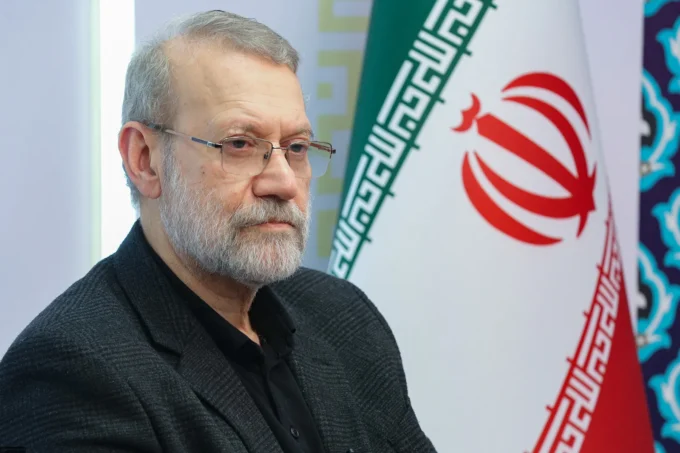
TEHRAN: Iran on Wednesday vowed a “decisive” and “regrettable” retaliation following the killing of its senior security chief Ali Larijani, as tensions in the Middle East spiralled into further escalation. Tehran launched a wave of missiles toward Israel in response to the air strike that it said killed Larijani, marking one of the most significant retaliatory actions since the conflict began.
Israeli authorities confirmed that Iranian missile barrages struck areas near Tel Aviv, killing at least two people and causing damage in the country’s commercial hub. Meanwhile, several Gulf nations reported intercepting incoming rockets and drones believed to be targeting strategic sites, including US military bases across the region, underscoring the widening scope of the conflict.
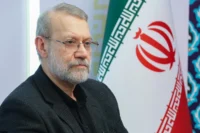
Iranian officials announced that funerals would be held for Larijani and Gholamreza Soleimani, the head of the Basij paramilitary force, both of whom were killed in Israeli strikes. Larijani is considered the most prominent figure to be assassinated since the outbreak of war following joint Israeli and US attacks on Iran on February 28, which also led to the killing of Supreme Leader Ali Khamenei.
Iran’s Army Chief Amir Hatami warned that Tehran’s response would be firm, stating that the assassination of the secretary of the Supreme National Security Council would not go unanswered. The Islamic Revolutionary Guard Corps echoed this stance, declaring that Larijani’s death would serve as a catalyst for further attacks and a “national awakening” against what it described as global adversaries.
Beyond military retaliation, Iran has also sought to exert pressure on the global economy. The disruption of shipping routes through the Strait of Hormuz — through which roughly one-fifth of the world’s oil supply passes — has driven crude prices toward $100 per barrel. Iranian Foreign Minister Abbas Araghchi warned that the broader economic consequences of the war are only beginning to unfold and will have global repercussions.
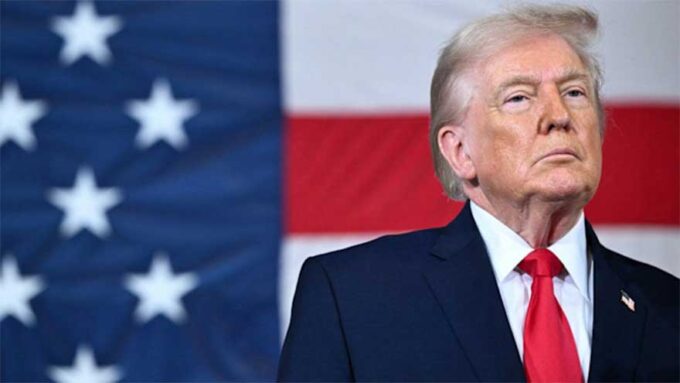
In response, the United States escalated its military operations, targeting Iranian missile infrastructure near coastal areas. According to US Central Command, several 5,000-pound bombs were deployed against fortified missile sites deemed a threat to international shipping. Donald Trump expressed frustration over the reluctance of allied nations to support efforts to secure maritime routes but insisted that Washington could act independently if necessary.
Regional and international reactions remain sharply divided. Turkey’s Foreign Minister Hakan Fidan condemned Israel’s targeted killings of Iranian leaders, calling them unlawful and outside accepted norms of warfare. Conversely, Israel signalled further escalation, with military spokesperson Effie Defrin warning that Tehran’s new leadership, including Mojtaba Khamenei, could also be targeted.
Israeli Prime Minister Benjamin Netanyahu reiterated calls for political change in Iran, suggesting that sustained pressure could eventually empower the Iranian people to challenge the ruling system, though he stopped short of explicitly advocating regime change as an official war objective.
The conflict has also exacted a heavy humanitarian toll across the region, particularly in Lebanon. Israeli air strikes on Beirut have continued, with at least six people reported killed in the latest attacks. Since early March, hundreds have died and more than a million have been displaced, according to Lebanese authorities.
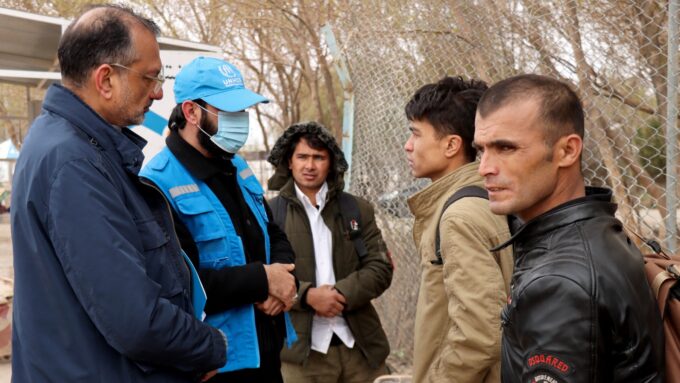
In southern Lebanon, especially in Sidon, the situation has become dire, with thousands forced to sleep in cars or overcrowded shelters. Aid organisations report that facilities are operating beyond capacity, struggling to accommodate the growing number of displaced civilians as the war intensifies across multiple fronts.




Leave a comment