

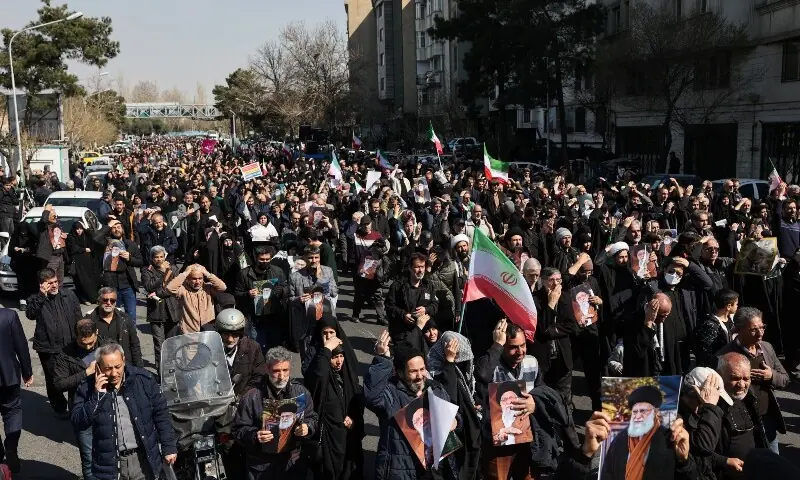
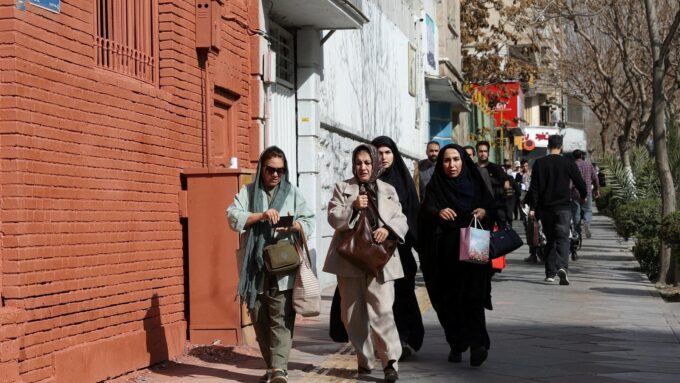
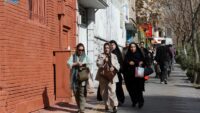
Tehran: Despite relentless bombing campaigns by the US and Israel, thousands of Iranians took to the streets of Tehran on Friday after prayers, rallying in memory of their assassinated supreme leader and protesting the foreign invasion of their country. Footage aired by Iranian media showed men and women dressed in black, some waving Iranian flags, gathering outside the Grand Mosque of Imam Khomeini.
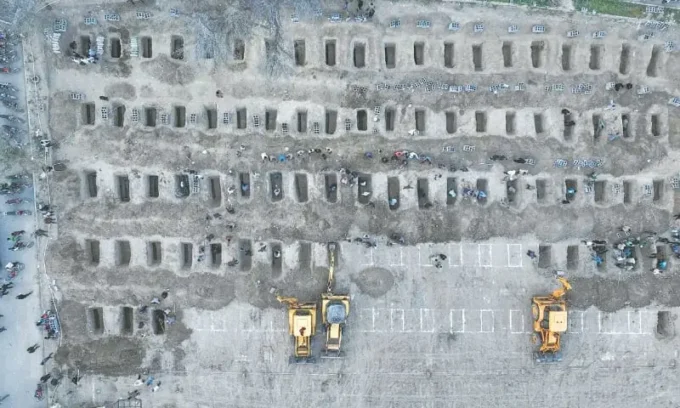
The war, now in its seventh day, has drawn in global powers, disrupted energy and transport sectors worldwide, and destabilized regions that are normally peaceful in the Middle East. According to the Iranian Red Crescent Society, at least 1,230 people have been killed since the US and Israel launched their offensive on February 28.
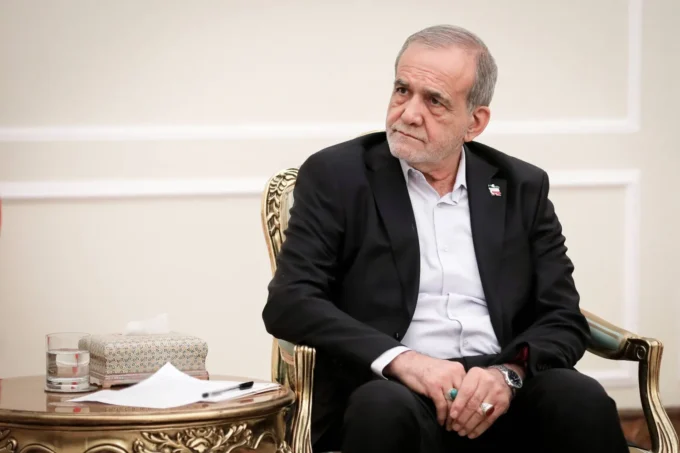
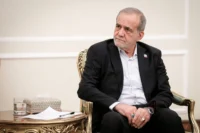
Iranian President Masoud Pezeshkian posted on X that several countries had initiated mediation efforts, without specifying which ones. He emphasized Iran’s commitment to regional peace while reaffirming its determination to defend national dignity and authority. Meanwhile, Foreign Minister Ishaq Dar held talks with Iranian counterpart Abbas Araghchi, expressing concern over the escalating regional crisis.
Deputy Foreign Minister Majid Takht-Ravanchi insisted that Tehran’s actions were defensive, claiming the war was imposed by the US and Israel. In an interview with France 24, he accused the US of betraying negotiations, stating, “We do not trust the Americans. Not only did they betray us, but they betrayed diplomacy.”
On the US side, President Donald Trump demanded Iran’s “unconditional surrender,” stating that, following the selection of an acceptable leader, Washington and its allies would “bring Iran back from the brink of destruction” and restore its economic strength. White House spokesperson Karoline Leavitt said the US has sufficient weapons stockpiles to complete the operation within four to six weeks, adding that ground troop deployment would be “a waste of time.”
The demand for unconditional surrender sent shockwaves through global financial markets. European share indexes fell sharply, while Wall Street’s Dow and S&P 500 recorded their lowest levels in over three months. Meanwhile, UN Secretary-General Antonio Guterres condemned unlawful attacks and warned that the conflict could escalate further across multiple countries.
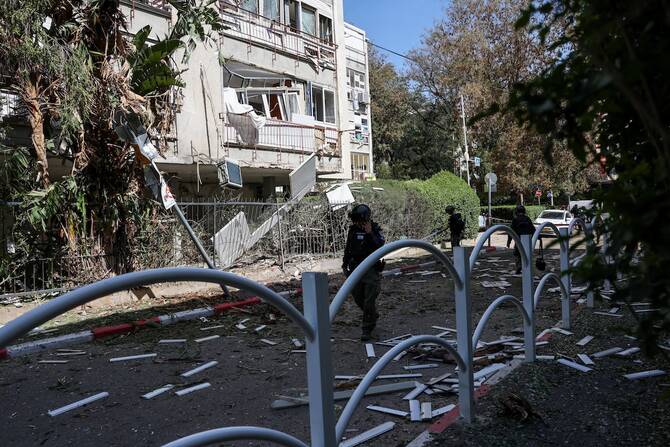
The Israeli military reported striking more than 400 targets in Iran, including areas near the iconic Azadi Tower in Tehran. Tasnim News Agency reported casualties in Qom, where two people were killed in an attack on a residential building. Israel also launched airstrikes in Lebanon, targeting Iranian and Hezbollah positions, while Iranian forces retaliated by firing drones and missiles toward Israel and US bases in the region. Explosions were reported in Jerusalem as Israel’s missile defenses intercepted incoming attacks.
The conflict extended across the Gulf, with the UAE, Kuwait, Qatar, Bahrain, and Saudi Arabia reporting fresh missile and drone attacks. Riyadh intercepted a cruise missile east of Al-Kharj, while Iran’s Revolutionary Guard claimed strikes on US bases in the UAE, Kuwait, and other locations. Attacks also occurred near Erbil airport in Iraq, forcing a US-run oil field to halt operations, while drones struck military and civilian facilities in Baghdad and Basra. Azerbaijan reported preventing Iranian drone attacks on its border region.
Reports from US media outlets indicate that Russia is providing intelligence on US positions to Iran, though the Kremlin has declined to comment. Vladimir Putin’s office confirmed ongoing “dialogue” with Iranian leadership but provided no operational details.
Amid the conflict, Iran expressed gratitude to Saudi Arabia for pledging that its territory and airspace would not be used in the ongoing war. Iranian Ambassador Alireza Enayati said Tehran welcomed Riyadh’s stance, which aligns with earlier diplomatic efforts to ease tensions between Tehran and Washington.



Leave a comment