

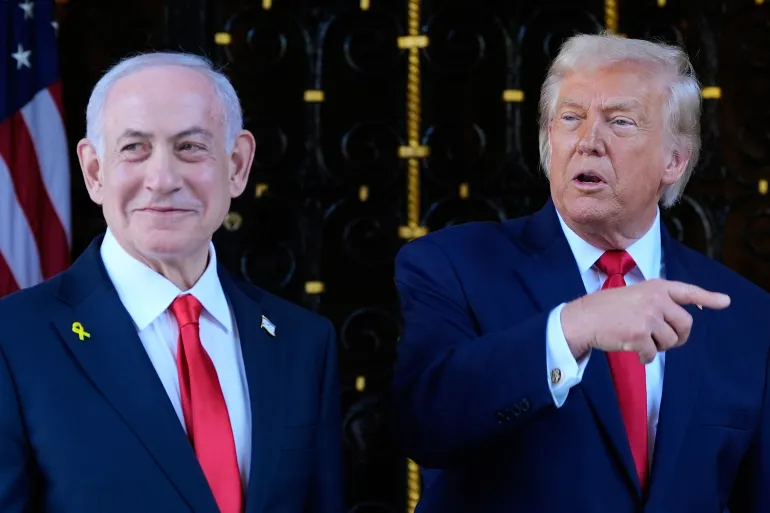
NEW YORK: Israel is not directly participating in the potential negotiations between the United States and Iran announced by US President Donald Trump, according to the Semafor news outlet, citing unnamed sources. While Washington explores diplomatic avenues with Tehran, Israeli officials are reportedly receiving updates from the US but are not part of the talks themselves.
US special presidential envoy Steve Witkoff and President Trump’s son-in-law, Jared Kushner, are directly involved in the discussions. Sources indicate that Vice President JD Vance could be included in the talks if deemed necessary, reflecting the high-level nature of the engagement.
Trump had posted on his social media platform Truth Social that Washington and Tehran had conducted “very good and productive conversations” over the past two days concerning a potential ceasefire. He noted that the discussions would continue throughout the week. In light of the ongoing talks, Trump reportedly ordered a temporary five-day pause on any potential strikes targeting Iran’s energy infrastructure.
However, Iranian authorities offered a contrasting perspective. Esmaeil Baghaei, spokesperson for the Iranian Foreign Ministry, told the IRNA news agency that Tehran had not engaged in direct negotiations with Washington. Instead, Iranian officials conveyed their positions to intermediaries, emphasizing that no formal dialogue between the two governments had occurred.
The apparent discrepancy between US and Iranian statements underscores the opacity of the early diplomatic exchanges and the sensitive nature of potential agreements on halting hostilities. Israel’s exclusion from the discussions also reflects the complex regional dynamics, even as the US keeps it fully informed of developments.
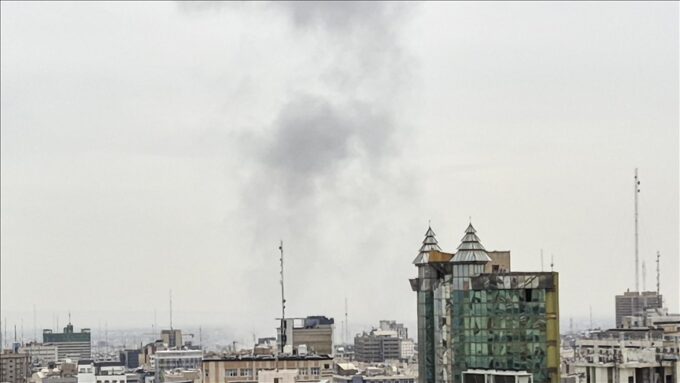
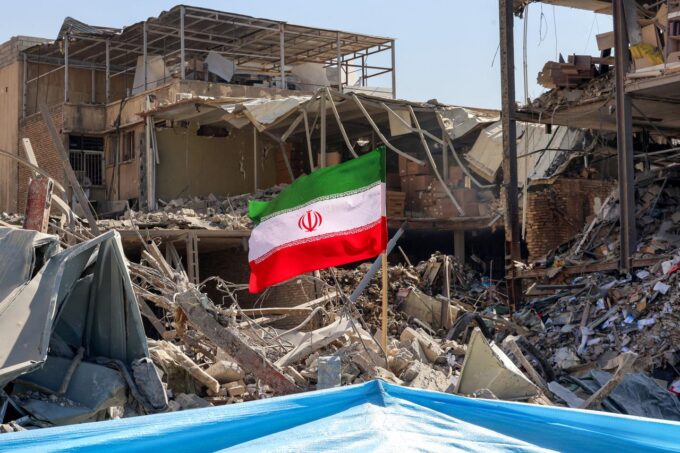
This development comes amid heightened tensions following US‑Israeli strikes on Iran in recent weeks, with both sides maintaining strong defensive postures while exploring limited diplomatic openings. Observers say the next steps will be closely watched by regional actors and global energy markets, given the potential impact on the Strait of Hormuz and broader Middle East stability.




Leave a comment