

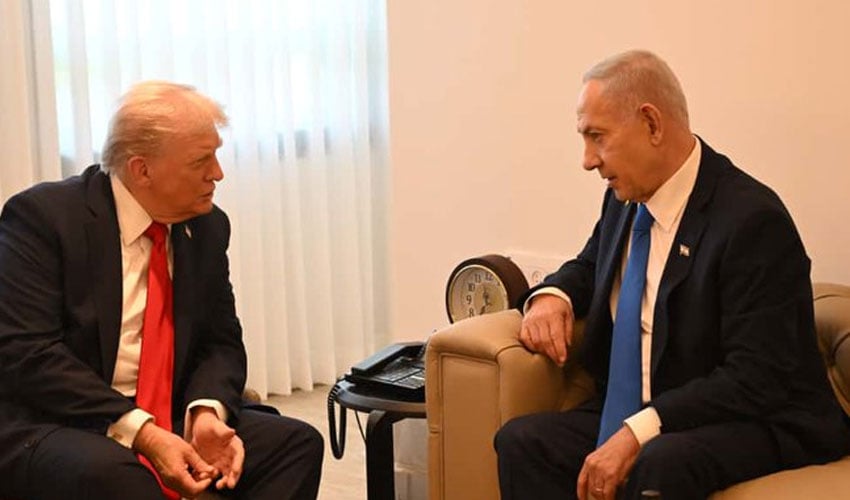
Israeli Prime Minister Benjamin Netanyahu has reportedly rejected any role for Turkey or Qatar in Gaza’s postwar peace plan, describing their potential involvement as a “red line” that Israel will not cross. His remarks, reported by Israel Hayom, underline growing divisions between Israel and the United States over how to manage Gaza once the current conflict ends.
U.S. Seeks to Maintain Diplomatic Balance
The Biden administration has been pressing Israel to support the inclusion of Türkiye and Qatar in a limited, humanitarian capacity as part of a broader U.S.-backed peace initiative. The proposed framework would allow both nations to help coordinate aid distribution, infrastructure rebuilding, and civil governance efforts in collaboration with international organizations such as the United Nations and the Red Cross.
However, Netanyahu’s government has expressed deep reservations. Israeli officials fear that Ankara and Doha’s participation could extend beyond humanitarian work, giving them political leverage in Gaza and potentially empowering Hamas-linked networks. “Jerusalem views any Turkish or Qatari presence as a direct threat to Israeli sovereignty and regional stability,” one senior Israeli official was quoted as saying.
Israeli Concerns Over Influence
Israel’s security establishment remains wary of both Türkiye’s close alignment with pro-Palestinian movements and Qatar’s long-standing ties with Hamas leadership. Netanyahu reportedly conveyed these concerns during recent high-level consultations with U.S. officials, insisting that any postwar arrangement must exclude actors that Israel deems hostile or politically biased.
According to sources familiar with the discussions, Israeli leaders fear that allowing Ankara and Doha to participate in Gaza’s reconstruction would “legitimize” Hamas’s political influence and complicate future Israeli oversight in the enclave.
White House Urges Restraint
The White House has expressed concern that Netanyahu’s uncompromising position could jeopardize the fragile diplomatic process that Washington has been trying to preserve. Senior U.S. officials have emphasized that Türkiye and Qatar’s proposed roles are “strictly civilian, temporary, and non-political,” aimed solely at stabilizing humanitarian conditions and ensuring aid flows unimpeded.
State Department spokespersons have reiterated that Washington views both countries as key intermediaries due to their open channels of communication with Hamas, which could be crucial for implementing ceasefire guarantees and facilitating hostage negotiations.
Growing Tensions Between Allies
The disagreement adds another layer of strain to U.S.-Israel relations, already under pressure from differing approaches to Gaza’s future governance. Washington’s goal is to prevent a governance vacuum that could trigger renewed instability, while Jerusalem remains adamant about maintaining full control over Gaza’s postwar reconstruction process.
Diplomatic sources suggest that behind-the-scenes talks between U.S. and Israeli officials are ongoing to prevent a public rift and keep the peace framework on track. However, Netanyahu’s latest remarks underscore his determination to resist any arrangement that, in his view, compromises Israel’s long-term security interests.









Leave a comment