

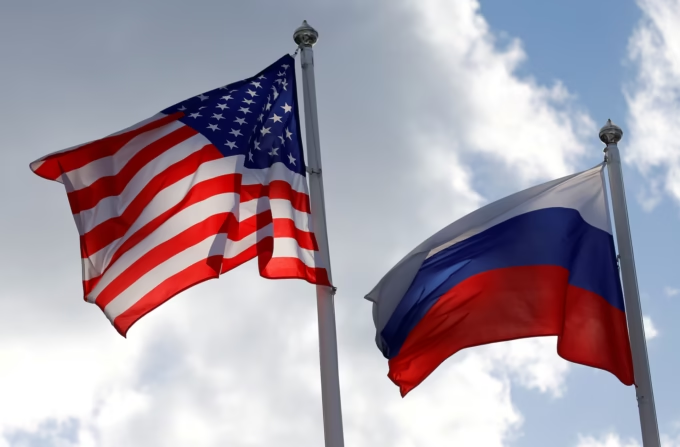
MOSCOW/KYIV – Russian Federation on Tuesday warned of the dangers of a direct confrontation between nuclear powers after its Foreign Intelligence Service (SVR) accused United Kingdom and France of preparing to secretly supply Ukraine with nuclear weapons components and related technology.
In a statement, Russia’s Foreign Ministry cautioned that any escalation between nuclear-armed states could have catastrophic consequences. “We once again warn of the risks of a direct military confrontation between nuclear powers and, accordingly, of its potentially dire consequences,” the ministry said.
The SVR’s allegations were not accompanied by documentary evidence. The French embassy in Moscow rejected the claims, describing them as “an outright lie.” There was no immediate response from Britain regarding the accusations.
Ukraine Not ‘Abandoned’ as War Enters Fifth Year
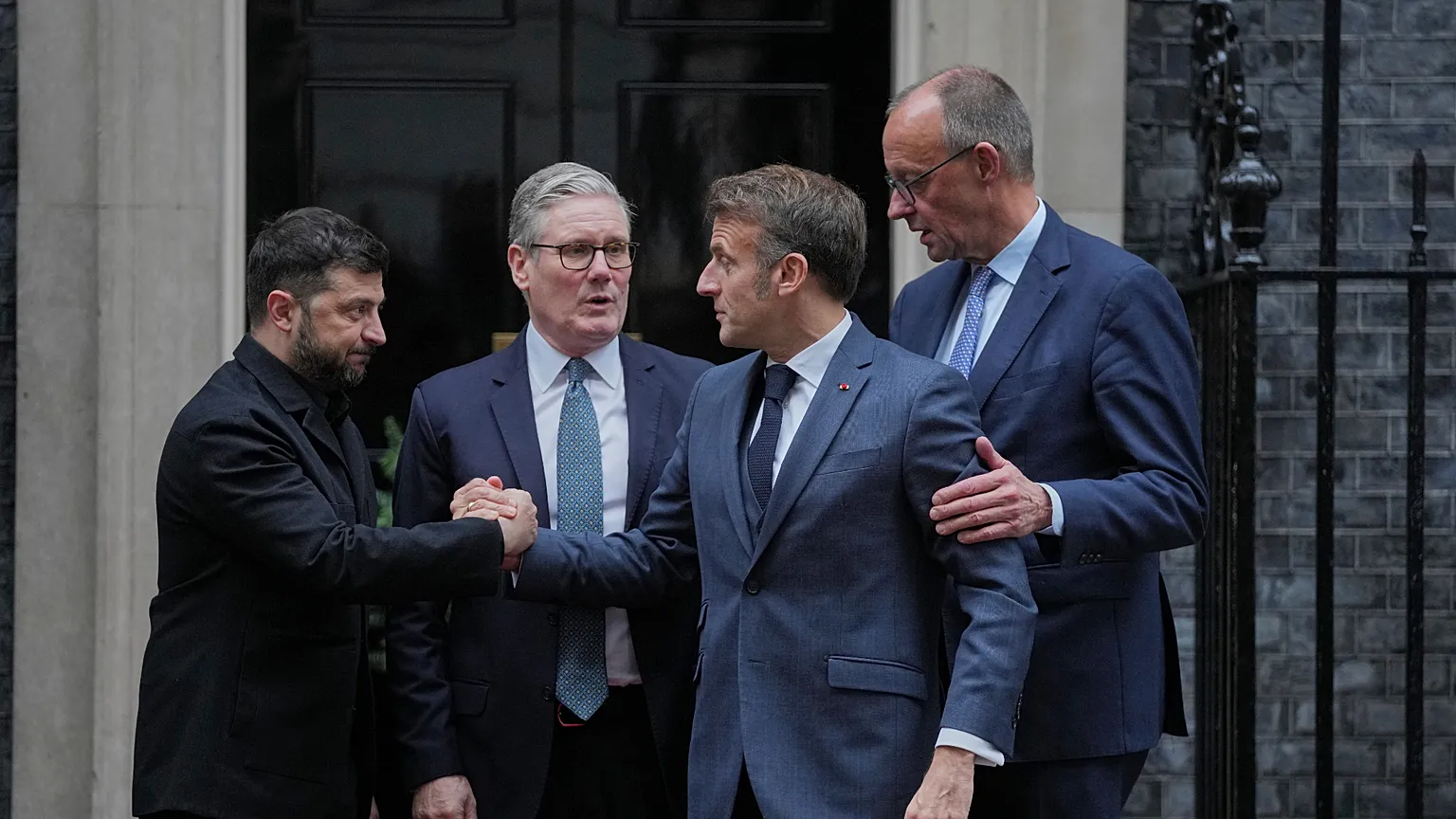
The accusations came as Russia’s invasion of Ukraine entered its fifth year, marking one of Europe’s largest and deadliest conflicts in decades. European leaders reaffirmed their commitment to Kyiv despite visible divisions among allies.
The anniversary followed a setback within the European Union, as Hungary vetoed a new sanctions package against Moscow and blocked a proposed 90 billion euro ($105 billion) loan aimed at supporting Ukraine’s financial stability.
Ukrainian President Volodymyr Zelenskyy, facing mounting pressure from the United States to seek a negotiated settlement, has repeatedly urged Western allies to tighten sanctions and increase military aid. He has accused Russian President Vladimir Putin of showing no genuine interest in ending the war.
G7 Reaffirms “Unwavering Support”
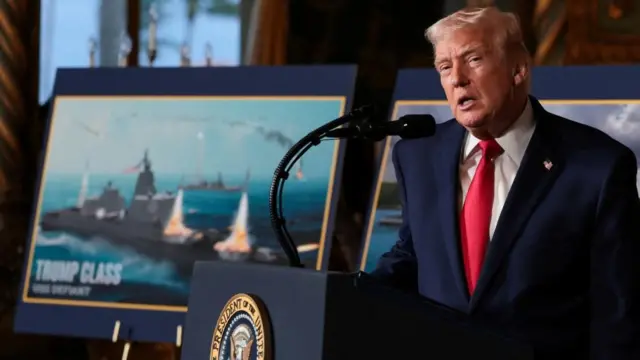
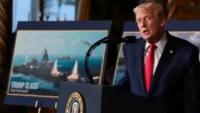
Leaders of the G7 nations — including US President Donald Trump — issued a joint statement reiterating their backing for Ukraine. The group pledged “unwavering support for Ukraine” and endorsed efforts to initiate a peace process through direct negotiations.
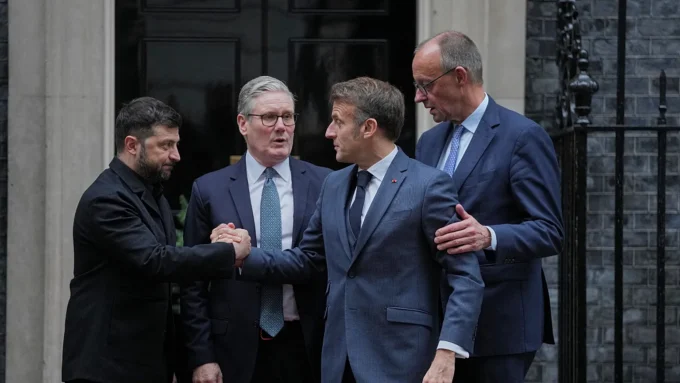
France, which currently holds the G7 presidency, noted that this marked the first unified declaration on Ukraine since Trump’s return to office. The leaders emphasized that Europe would play a leading role in diplomatic efforts, alongside international partners.
They also expressed support for the so-called “Coalition of the Willing,” which has offered security guarantees to Ukraine in the event of a ceasefire, stressing that “only Ukraine and Russia, working together in good faith negotiations, can reach a peace agreement.”
Battlefield Pressure and Political Divisions
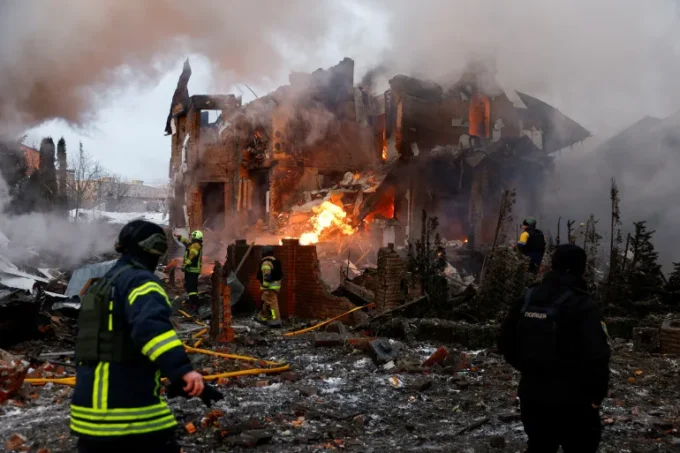
While diplomacy remains uncertain, fighting continues on the ground. Russian forces are making incremental territorial gains while launching missile and drone strikes that have severely damaged Ukraine’s energy infrastructure.
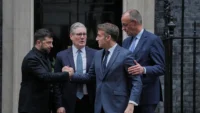
European Commission President Ursula von der Leyen, along with Finnish President Alexander Stubb and Danish Prime Minister Mette Frederiksen, traveled to Kyiv to mark the anniversary. Von der Leyen pledged that the European Union would deliver the 90 billion euro loan to Ukraine “one way or the other.”
In televised remarks, Putin accused Ukraine of obstructing peace efforts, saying disputes over territory and control of Europe’s largest nuclear power plant have stalled negotiations. Moscow continues to insist that Kyiv cede the remaining 20 percent of the heavily fortified Donetsk region under Ukrainian control — a demand Kyiv firmly rejects.
Zelensky: “We Cannot Betray It”
In a morning address, Zelensky vowed that Ukraine would not surrender land for the sake of ending the war. “We cannot, we must not, give it away, forget it, betray it,” he said, referring to territories defended at immense human cost.
In Kyiv, the anniversary was marked by a subdued ceremony in the central square, where soldiers carried flags and citizens gathered silently to honor the fallen. War fatigue is increasingly visible among Ukrainians, yet resilience remains strong despite years of devastation.
As tensions rise between major powers and the war grinds on with no clear resolution in sight, the risk of further escalation — both militarily and diplomatically — continues to loom over Europe and the broader international community.



Leave a comment