

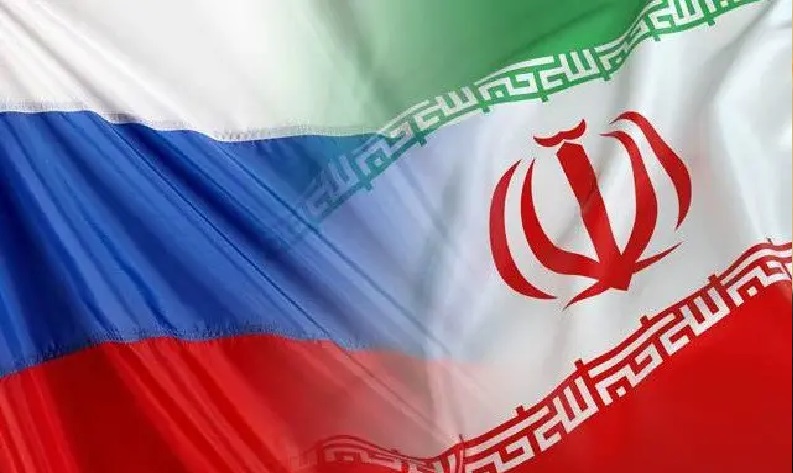
Tehran – In a significant move amid mounting international tensions, Iran and Russia have signed a $25 billion agreement to construct four nuclear power plants in the Islamic Republic. The deal, reported by Iranian state media on Friday, comes just hours ahead of the expected reimposition of sweeping United Nations sanctions on Tehran.
According to Iranian state television, the agreement was finalized between Iran’s state-run Hormozgan-based firm, Iran Hormoz Company, and Russia’s state nuclear energy corporation, Rosatom. The plants are to be constructed in Sirik, a coastal city in the southern province of Hormozgan.
Currently, Iran operates only a single nuclear power plant — the Bushehr facility — which was also built in cooperation with Russia and began operating in 2011. With a capacity of 1,000 megawatts, the Bushehr plant supplies only a small portion of Iran’s total energy requirements.
State news agency IRNA reported that each of the new plants will have a capacity of 1,255 megawatts, potentially offering a major boost to Iran’s civilian energy infrastructure. However, no official timeline for the construction or completion of the new facilities has been released.
The timing of the deal is particularly notable. It comes just before the expected reactivation of UN sanctions, known as “snapback sanctions,” initiated by Britain, France, and Germany. These European signatories of the 2015 Joint Comprehensive Plan of Action (JCPOA) nuclear deal have accused Iran of failing to meet its obligations under the agreement, citing uranium enrichment levels and transparency concerns.
In response to the pending sanctions, China and Russia jointly proposed a draft resolution at the UN Security Council on Friday, calling for an additional six months to continue diplomatic negotiations. However, early indications suggest the resolution is unlikely to receive enough support to pass.
Iran has consistently denied Western allegations that it is pursuing nuclear weapons, maintaining that its nuclear program is entirely peaceful and aimed at meeting domestic energy demands.
Tensions around Iran’s nuclear ambitions have escalated significantly since 2018, when the United States under President Donald Trump unilaterally withdrew from the JCPOA and reimposed sanctions. In the aftermath, Iran began rolling back its commitments under the agreement, including limits on uranium enrichment and international inspections.
Efforts to revive the deal through renewed negotiations between Tehran and Washington had shown some progress earlier this year. However, talks were abruptly derailed following an unprecedented series of Israeli strikes on Iranian territory in June, sparking a 12-day conflict that briefly drew in U.S. forces.
This latest nuclear deal between Iran and Russia is not the first of its kind. The two countries initially signed a nuclear cooperation agreement in 1993, which ultimately led to the construction of the Bushehr plant. That project had originally been started by Germany prior to the 1979 Islamic Revolution, but was later abandoned due to political upheaval.
As geopolitical dynamics continue to shift, the Iran-Russia agreement underscores the growing strategic and energy-related partnership between Tehran and Moscow — a relationship that increasingly challenges Western influence in the region.






Leave a comment