

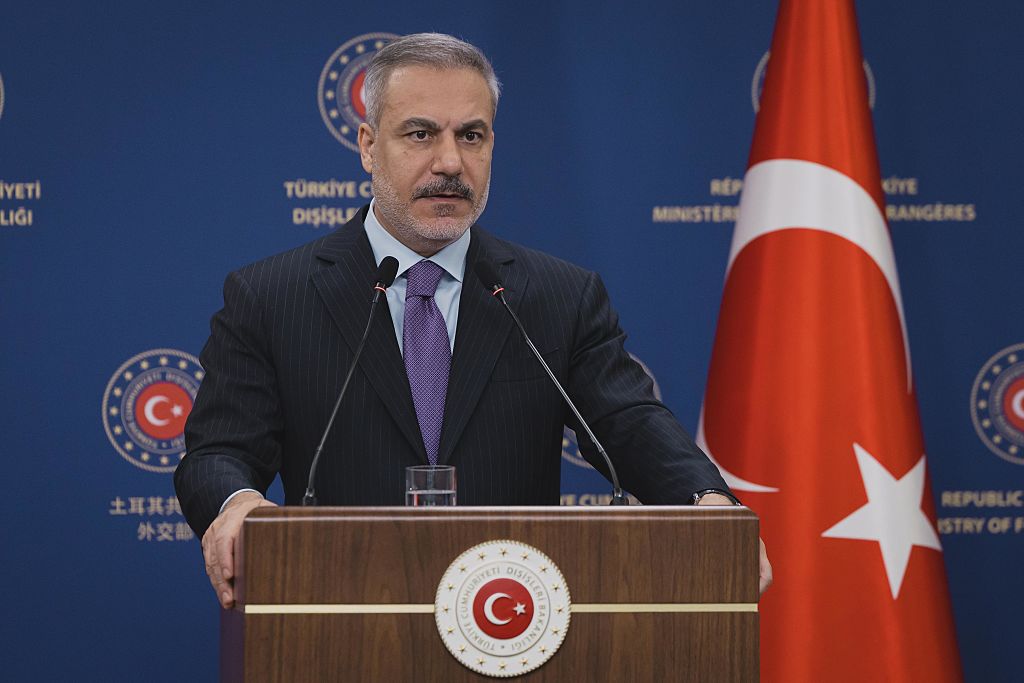
ISTANBUL: Türkiye is set to host a high-level Gaza Peace Plan Meeting bringing together foreign ministers from major Muslim-majority nations to coordinate a united strategy on post-war arrangements in Gaza. The meeting, scheduled to take place in Istanbul on Monday, is part of Ankara’s diplomatic initiative to play a leading role in regional stabilization efforts.
Focus on Coordinated Muslim Response
Turkish Foreign Minister Hakan Fidan announced that the meeting would “evaluate our progress and discuss what we can achieve together in the next stage.”
He stated that discussions will center on identifying the main obstacles preventing implementation of the current peace proposals, determining the next phases of action, and coordinating closely with Western and Arab states involved in the Gaza peace framework.
The initiative comes amid growing calls within the Muslim world for stronger collective action to secure a permanent ceasefire, accelerate humanitarian aid delivery, and lay the groundwork for reconstruction efforts in Gaza once the conflict ends.
Key Participants and Broader Coalition
Invitations have reportedly been extended to the foreign ministers of Egypt, Indonesia, Jordan, Pakistan, Qatar, Saudi Arabia, and the United Arab Emirates.
According to Turkish officials, these countries are part of a coalition that had previously engaged with former U.S. President Donald Trump on the sidelines of the United Nations General Assembly in New York on September 23, where initial outlines of the Gaza peace plan were discussed.
“This meeting in Istanbul will determine how Muslim states can take the lead in ensuring stability and justice for the Palestinian people,” a senior Turkish diplomat stated, underscoring Ankara’s determination to assert its diplomatic influence.
Türkiye’s Humanitarian Role and Challenges
Minister Fidan revealed that Türkiye has already deployed an 81-member disaster response team to Gaza but is still awaiting Israeli approval to allow them entry.
He emphasized that Turkey’s goal is to facilitate humanitarian operations, reconstruction projects, and civil administration support in cooperation with international and regional organizations.
However, the move has not been without controversy.
Israeli Foreign Minister Gideon Saar criticized the idea of any Turkish participation in Gaza’s stabilization force, calling it “unreasonable given Ankara’s hostile stance toward Israel.”
This reflects deep political mistrust between the two countries despite Türkiye’s insistence that its involvement would be strictly humanitarian.
Strategic Objectives of the Meeting
Diplomatic sources in Ankara indicate that the meeting will address several key issues:
- Identifying obstacles that have slowed the implementation of the U.S.-backed peace framework.
- Defining the next stages of reconstruction and governance in Gaza.
- Exploring coordination mechanisms between Muslim states and Western allies.
- Ensuring that humanitarian aid reaches Gaza without political obstruction.
Fidan noted that the gathering will also discuss international security guarantees and the role of Muslim states in supervising post-conflict arrangements — a topic that has divided opinions among U.S. and Israeli officials.
Symbolism and Diplomatic Impact
Analysts view the Istanbul meeting as a test of unity among Muslim-majority countries. If successful, it could strengthen Ankara’s role as a central mediator in the region and provide momentum for a collective Muslim stance on Gaza’s reconstruction and governance.
However, failure to align on key policy points could deepen existing divisions among Muslim nations and undermine the credibility of the peace process.
“This is not just a diplomatic gathering — it’s a moment of reckoning for the Muslim world’s response to Gaza’s suffering,” said a senior Middle Eastern analyst.
“If Ankara manages to rally consensus, it could reshape the balance of influence in post-war Gaza.”
Key Highlights
- Türkiye will host Muslim foreign ministers to coordinate a unified Gaza peace plan.
- Meeting will address humanitarian aid, reconstruction, and governance frameworks.
- Ankara is pushing for a larger Muslim role in Gaza’s future administration.
- Israel opposes Turkish involvement, citing political tensions.
- The outcome could determine the future leadership role of Muslim nations in the Gaza peace process.






Leave a comment