

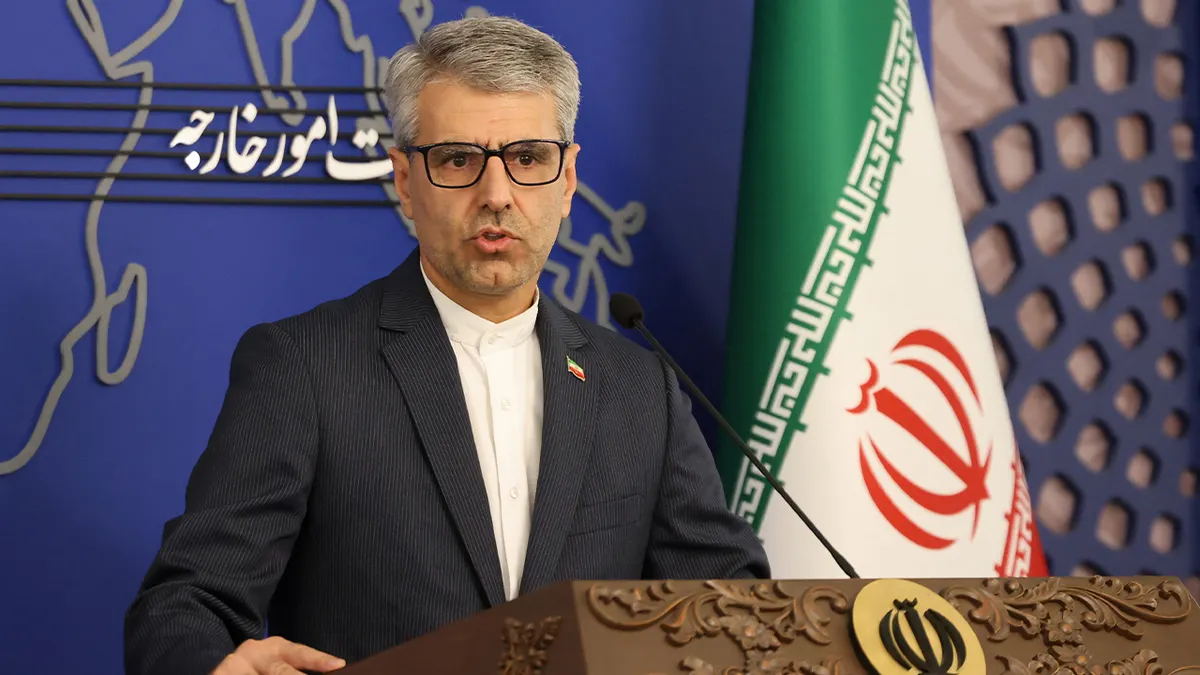
Iran is set to face sweeping United Nations sanctions for the first time in a decade, following the breakdown of last-minute nuclear talks with Western powers. The negotiations, aimed at averting punitive measures, failed to produce a breakthrough, paving the way for the automatic reimposition of sanctions under the terms of the 2015 nuclear agreement.
According to diplomatic sources, the sanctions are scheduled to take effect at midnight GMT on Saturday, after a proposal by Russia and China to delay their implementation until April was rejected in a UN Security Council vote on Friday. The proposal failed to garner sufficient support, despite Moscow and Beijing’s efforts to win over other council members.
Iranian President Masoud Pezeshkian, speaking to reporters in New York, condemned a US offer that would have granted Iran a three-month reprieve from sanctions in exchange for surrendering its entire stockpile of enriched uranium. “The US wants us to hand over all our enriched uranium to them, and in return they would give us three months [of exemption from sanctions],” Pezeshkian said. “This is by no means acceptable.”
The collapse in negotiations comes a month after European powers activated the “snapback” mechanism embedded in the 2015 nuclear deal, formally known as the Joint Comprehensive Plan of Action (JCPOA). The mechanism allows for the automatic reinstatement of UN sanctions if Iran is found to be in breach of its obligations. Western governments maintain that Iran has consistently failed to meet its commitments under the agreement, particularly regarding uranium enrichment levels and transparency with inspectors.
Although Tehran has recently allowed limited inspections at some nuclear facilities, the move was deemed insufficient by the US and its European allies, who argue that Iran’s nuclear program continues to advance beyond agreed limits. With no substantial progress made during the latest round of talks, Western officials insisted that the sanctions must proceed.
Addressing the UN General Assembly, Russian Foreign Minister Sergei Lavrov accused Western nations of deliberately undermining diplomacy. He characterized the rejection of the Russian-Chinese delay proposal as evidence of the West’s intent to extract unilateral concessions from Tehran through coercive tactics. “This has finally exposed the West’s policy of sabotaging the pursuit of constructive solutions in the UN Security Council,” Lavrov said.
Iran, meanwhile, remains defiant. President Pezeshkian criticized what he described as a one-sided deal that offered too little in return for major concessions. He reiterated that Iran would not accept terms that compromise its national sovereignty or security interests. His comments underscore Tehran’s broader position that negotiations must be based on mutual respect and reciprocity—not ultimatums.
The expected sanctions are likely to include restrictions on arms imports and exports, banking transactions, travel bans, and other forms of economic and diplomatic engagement. The move could have far-reaching consequences for Iran’s already fragile economy and risk escalating tensions in the broader Middle East.
With diplomacy stalled and sanctions looming, prospects for reviving the 2015 nuclear accord—or crafting a new one—appear increasingly bleak.





Leave a comment