

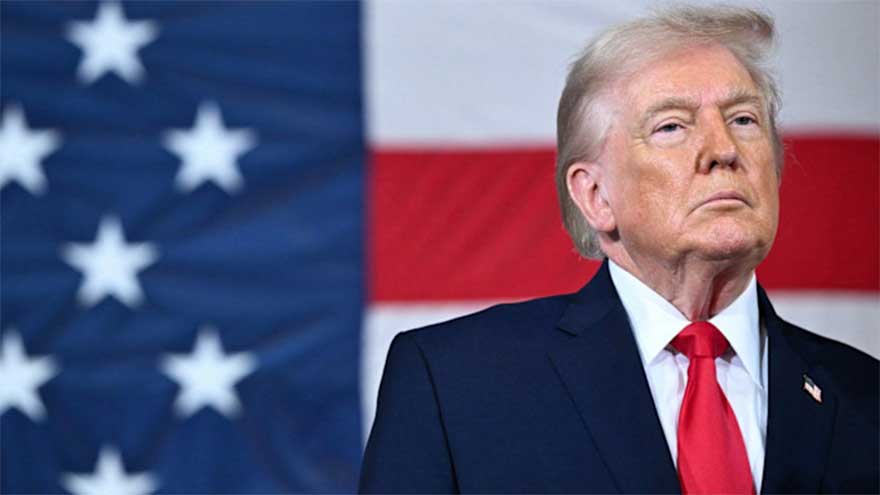
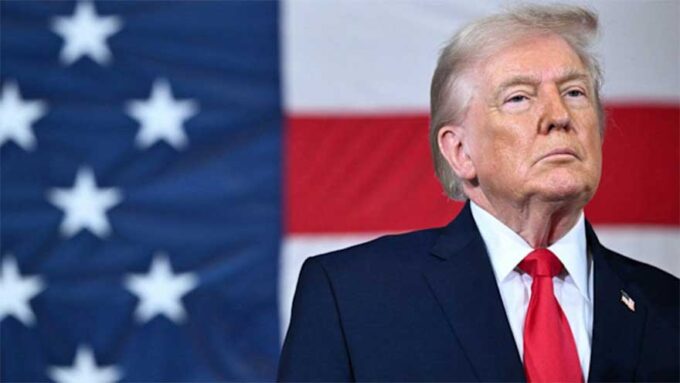
Washington, D.C: U.S. President Donald Trump delivered a national address on the ongoing Iran conflict, reiterating familiar claims that the United States is nearing the completion of its core strategic objectives. However, the speech has triggered sharp political backlash at home while also sending shockwaves through financial markets.
In his remarks, Trump maintained that the war against Iran is both necessary and largely successful, asserting that American forces are close to achieving victory. Despite this optimistic tone, he appeared to extend the conflict’s timeline, stating that “over the next two to three weeks, we’re going to bring them back to the stone ages.”The speech came shortly after Trump claimed that Iran had sought a ceasefire — an assertion firmly denied by Tehran.
Notably, the president offered no concrete details regarding how the war would conclude or what terms the United States is seeking from Iran.At the outset of the conflict, the White House had projected a timeline of four to six weeks for military operations. With the war now entering its fifth week, Trump’s latest comments suggest a possible extension, raising further uncertainty about the endgame.
On the issue of the global energy crisis and the strategic Strait of Hormuz, Trump acknowledged rising petrol prices but failed to outline a clear plan to reopen the vital shipping route. Instead, he reiterated his call for other nations to “just take it,” without elaborating on actionable steps.
Despite claims of “overwhelming victories,” Iran continues to maintain control over the Strait of Hormuz and retains the capability to launch drones and missiles across the region, including toward Israel. Public opinion within the United States remains largely opposed to the war.
Recent polls indicate that a strong majority of Americans disapprove of continued military engagement, and Trump’s repeated messaging has so far failed to shift that sentiment.The president’s speech also drew immediate and intense criticism from across the American political spectrum.
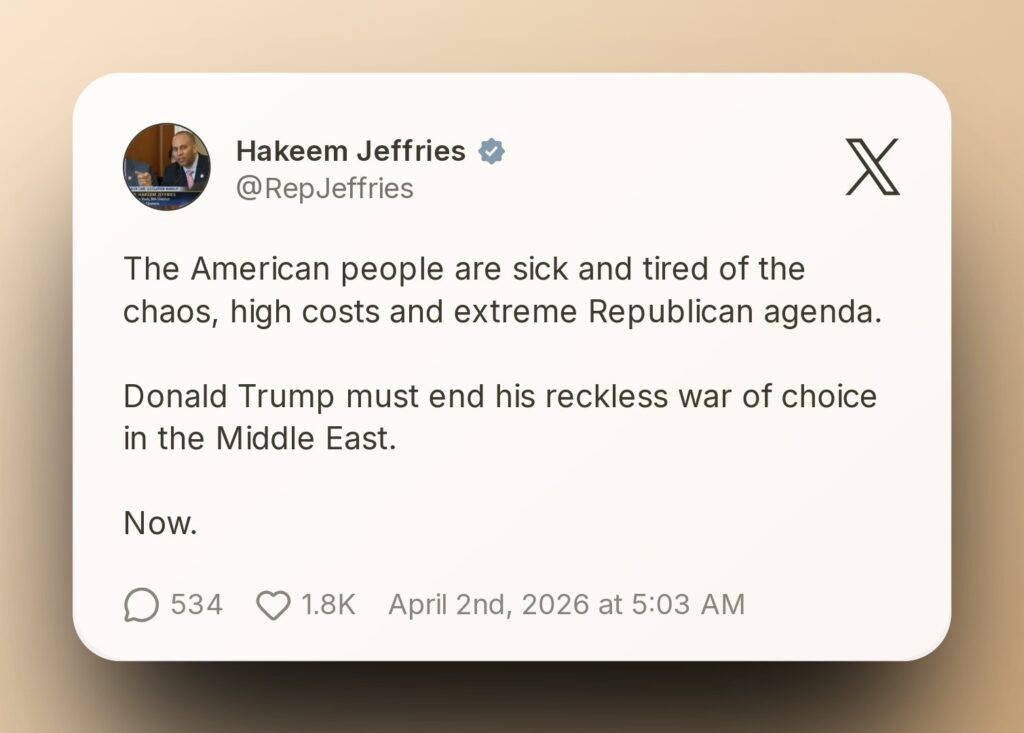
Senior Democratic leader Hakeem Jeffries condemned the administration’s approach, stating that Americans are “sick and tired” of chaos, rising costs, and what he described as an extreme Republican agenda. He urged Trump to immediately end what he called a “reckless war of choice” in the Middle East.U.S. Senator Chris Coons criticized the address as lacking coherence and strategic clarity, describing it as “rambling, unmoored, and unserious.”
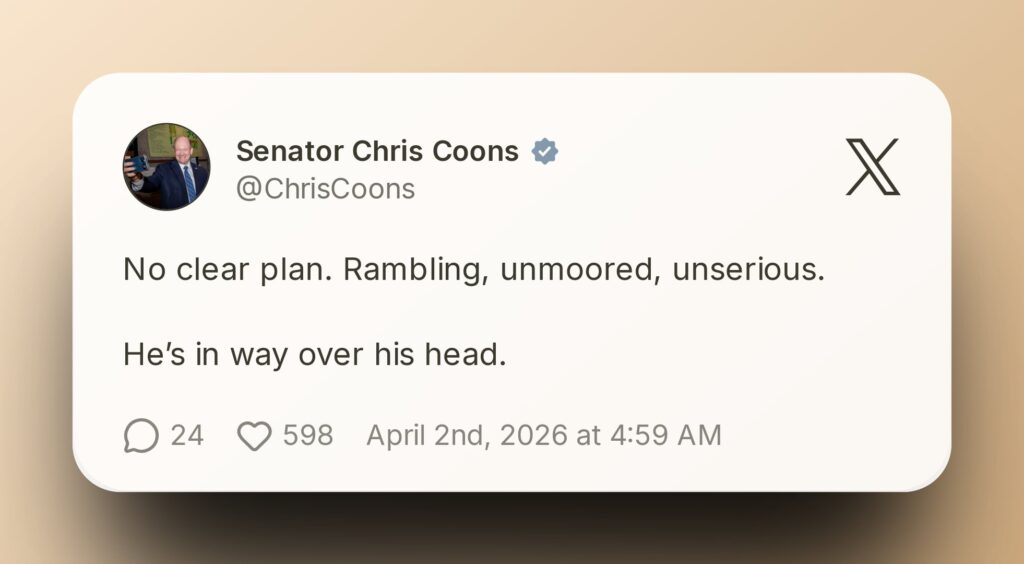
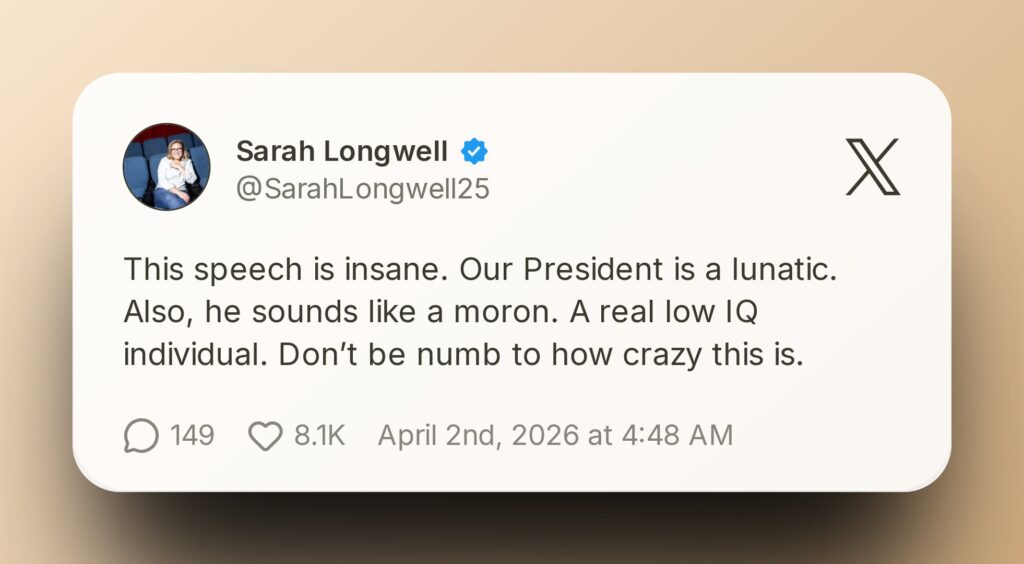
He warned that the absence of a clear plan raises serious concerns about the direction of U.S. foreign policy.Political strategist Sarah Longwell offered one of the harshest critiques, labeling the speech “insane” and expressing deep concern over Trump’s judgment during a time of international crisis.
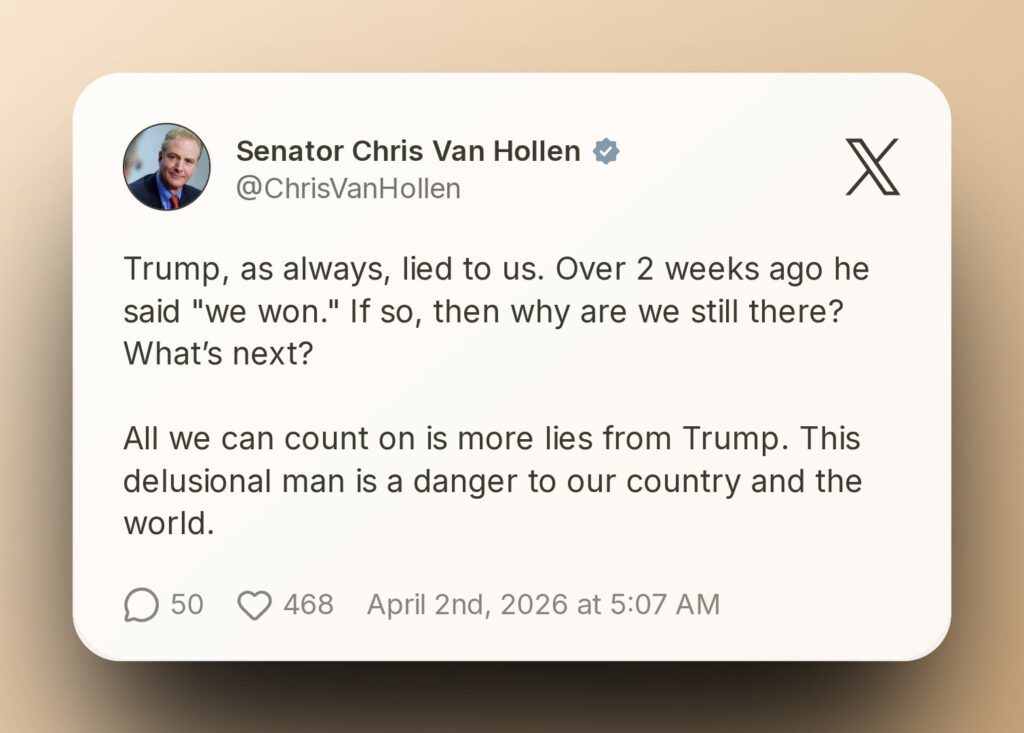
She cautioned against normalizing rhetoric that could escalate instability.Meanwhile, Senator Chris Van Hollen accused the president of misleading the public, pointing to contradictions in earlier claims of victory. “If we already won, why are we still there?” he questioned, highlighting inconsistencies that could undermine both domestic confidence and international credibility.
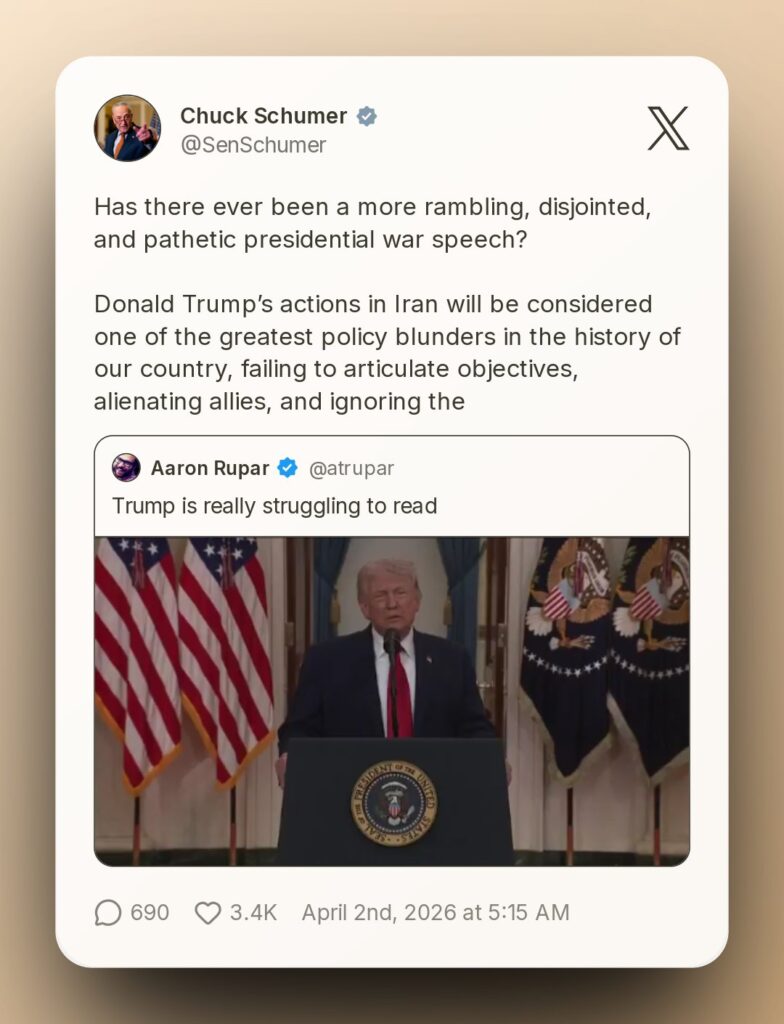
Senate Majority Leader Chuck Schumer described the administration’s handling of the Iran conflict as a “historic policy blunder,” citing unclear objectives, strained alliances, and what he views as a failure of leadership during a critical geopolitical moment. Beyond the political fallout, Trump’s speech had an immediate and dramatic impact on financial markets. Within approximately 25 minutes of the address, the S&P 500 futures market lost an estimated $550 billion in market capitalization. The S&P 500, which tracks the performance of 500 of the largest publicly traded U.S. companies — including major firms like Apple, Microsoft, and Amazon — is widely regarded as a key barometer of the American economy.
The sharp decline reflects investor anxiety over the escalating conflict, uncertainty about energy supplies, and the lack of a clear strategic direction from Washington. With Iran still controlling critical routes and demonstrating continued military capability, markets appear increasingly sensitive to geopolitical developments.The growing backlash — both political and economic — underscores deep divisions within U.S. leadership and raises broader questions about strategic clarity, accountability, and the long-term implications of America’s role in the Middle East.As the conflict enters a final phase, the absence of a defined exit strategy continues to fuel uncertainty, both on the battlefield and across global markets.




Leave a comment