

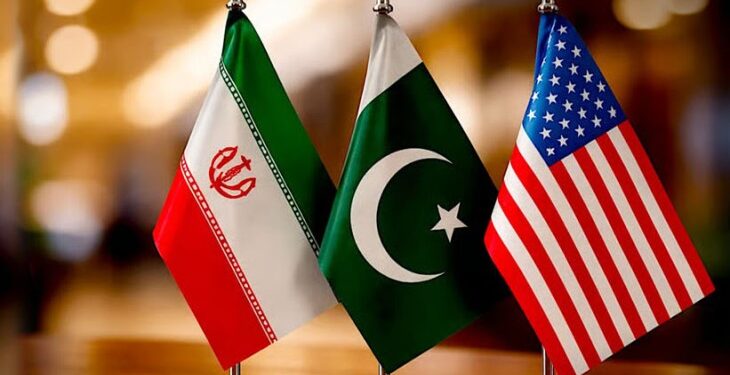
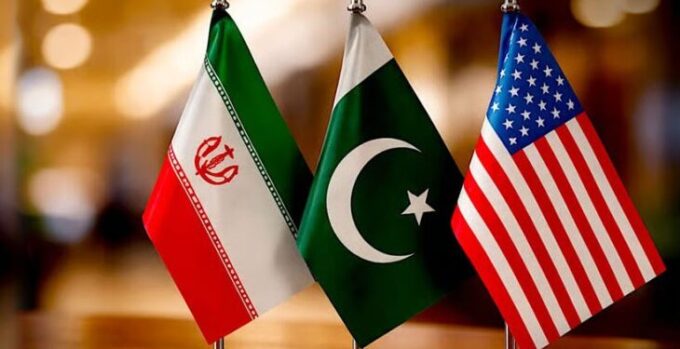
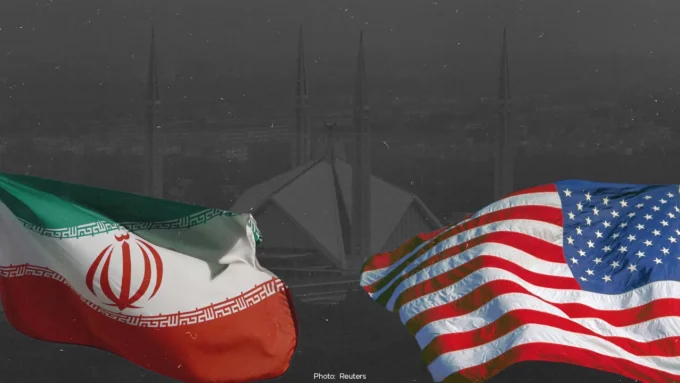
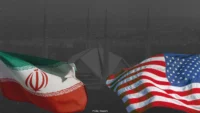
The United States and Iran have come together in Islamabad for high-stakes negotiations aimed at finding a way out of the ongoing conflict that has shaken the Middle East.
These talks are being hosted and mediated by Pakistan following a fragile two-week ceasefire, which temporarily halted weeks of intense fighting involving the US, Iran, and Israel. While expectations for a major breakthrough remain low, the primary goal is to keep diplomatic engagement alive and prevent a return to full-scale war.
The delegations from both countries are composed of senior political and diplomatic figures. The US side is led by Vice President JD Vance, accompanied by key officials including Special Envoy Steve Witkoff and other close advisers. On the Iranian side, the delegation is headed by Parliament Speaker Mohammad Bagher Qalibaf, a senior figure with strong ties to the country’s leadership and security establishment.
These high-level representatives underline the seriousness of the negotiations despite deep mistrust between the two sides. The talks are being conducted in what diplomats call a “proximity format.” Although both delegations are staying at the same venue in Islamabad, they are not meeting face-to-face.
Instead, Pakistani officials are acting as intermediaries, carrying messages between the two sides in separate rooms. This indirect format reflects the long-standing tensions and lack of direct diplomatic relations between Washington and Tehran.
At the core of the discussions is the effort to turn the temporary ceasefire into a more lasting arrangement. Both sides are trying to outline conditions that could lead to a broader peace deal, though their positions remain far apart. Iran has made it clear that it wants relief from economic sanctions and a reduction in regional hostilities, including a ceasefire in Lebanon.
It is also seeking access to frozen financial assets and guarantees against further attacks. On the other hand, the United States is focused on limiting Iran’s nuclear programme, curbing its missile capabilities, and addressing its influence in the region through allied groups.
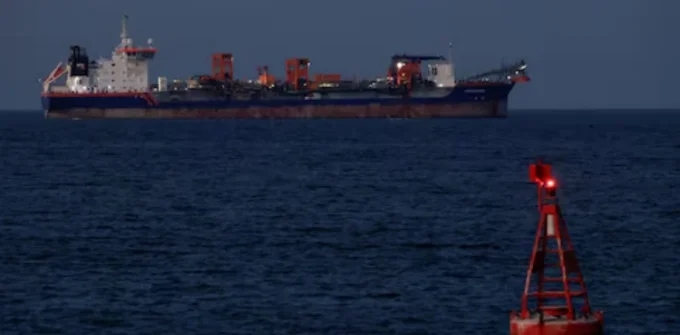
Washington is also concerned about security in key waterways like the Strait of Hormuz, which is vital for global oil supplies. These competing priorities highlight the complexity of the negotiations and the difficulty of reaching a comprehensive agreement. Additional issues on the agenda include the potential withdrawal of US forces from parts of the region, the future of regional security arrangements, and mechanisms to prevent further escalation.
The situation in Lebanon, ongoing tensions involving Israel, and the broader geopolitical balance in the Middle East are also key points of discussion. Despite the significance of the talks, analysts caution that expectations should remain modest. Pakistan’s immediate objective is not a final peace deal but rather an agreement that ensures continued dialogue between the US and Iran.
Given the deep mistrust, conflicting demands, and ongoing regional tensions, the negotiations are seen as an initial step in what could be a long and difficult diplomatic process. Overall, the Islamabad talks represent one of the most important diplomatic efforts in recent years to de-escalate tensions between the United States and Iran.
While success is far from guaranteed, simply bringing both sides to the negotiating table is being viewed as a significant achievement and a potential foundation for future peace efforts.



Leave a comment