

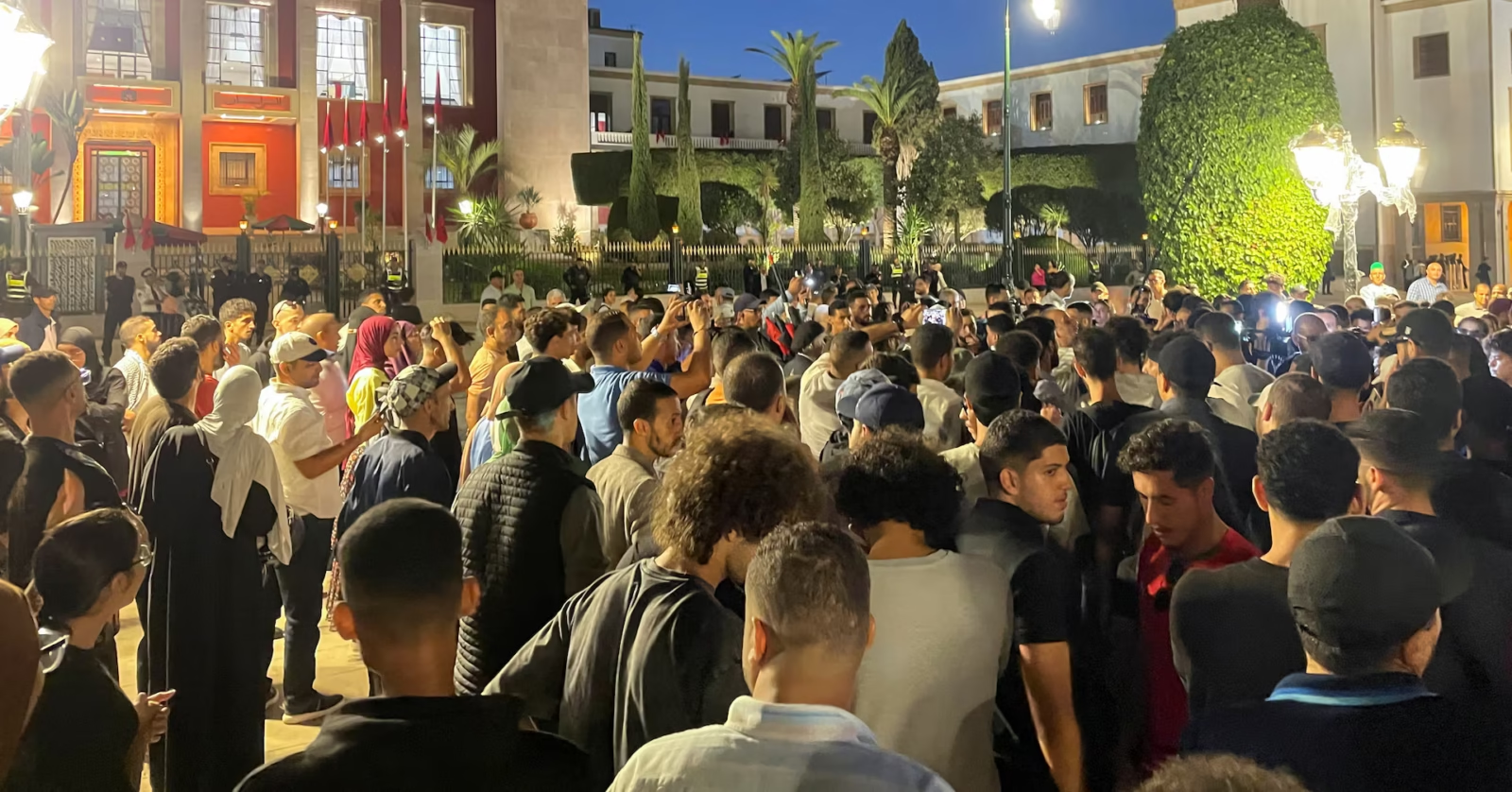
Morocco is witnessing growing political and social unrest as sixty prominent public figures — including academics, artists, and human rights activists — have jointly called on King Mohammed VI to introduce urgent political reforms and take decisive action against widespread corruption. The appeal comes in the wake of large youth-led protests that have spread across the country, exposing deep frustration with governance and public services.
In an open letter released on Wednesday, the signatories voiced support for the demonstrations and urged the monarch to take “in-depth and courageous measures” to address the grievances of ordinary citizens. “We are addressing you because you hold the ultimate authority and ultimate responsibility in this country,” the letter stated. “The people of Morocco are suffering, and its youth are shouting about it in the streets.”
The wave of protests began in late September, initially sparked by anger over the deteriorating state of public healthcare and education. The outrage intensified after the deaths of eight pregnant women at a public hospital, which protesters described as a tragic reflection of the country’s crumbling social infrastructure.
Tensions escalated further this week after another woman died at the same hospital. According to the health ministry, she had been transferred from a smaller facility following a Caesarean section. Authorities have since announced an investigation to determine the circumstances surrounding her death, though protesters insist the tragedy points to deeper systemic failures.
The demonstrations, led largely by Morocco’s youth, have highlighted growing disillusionment with unemployment, poor living standards, and the lack of accountability in public institutions. Protesters have also demanded greater transparency in government spending and an end to corruption that many say has hindered the nation’s development.
The appeal from prominent citizens comes ahead of King Mohammed VI’s highly anticipated annual address on Friday, in which he is expected to outline his administration’s priorities. Analysts suggest that the mounting pressure from both the public and respected intellectual figures could push the monarchy to consider limited reforms or social measures to ease public discontent.
However, despite widespread calls for change, skepticism remains about whether the government will take meaningful steps to address the demands of its citizens. Many protesters insist that without structural reforms and genuine political accountability, Morocco’s deep-seated issues of inequality and corruption will continue to fuel unrest in the streets.







Leave a comment