

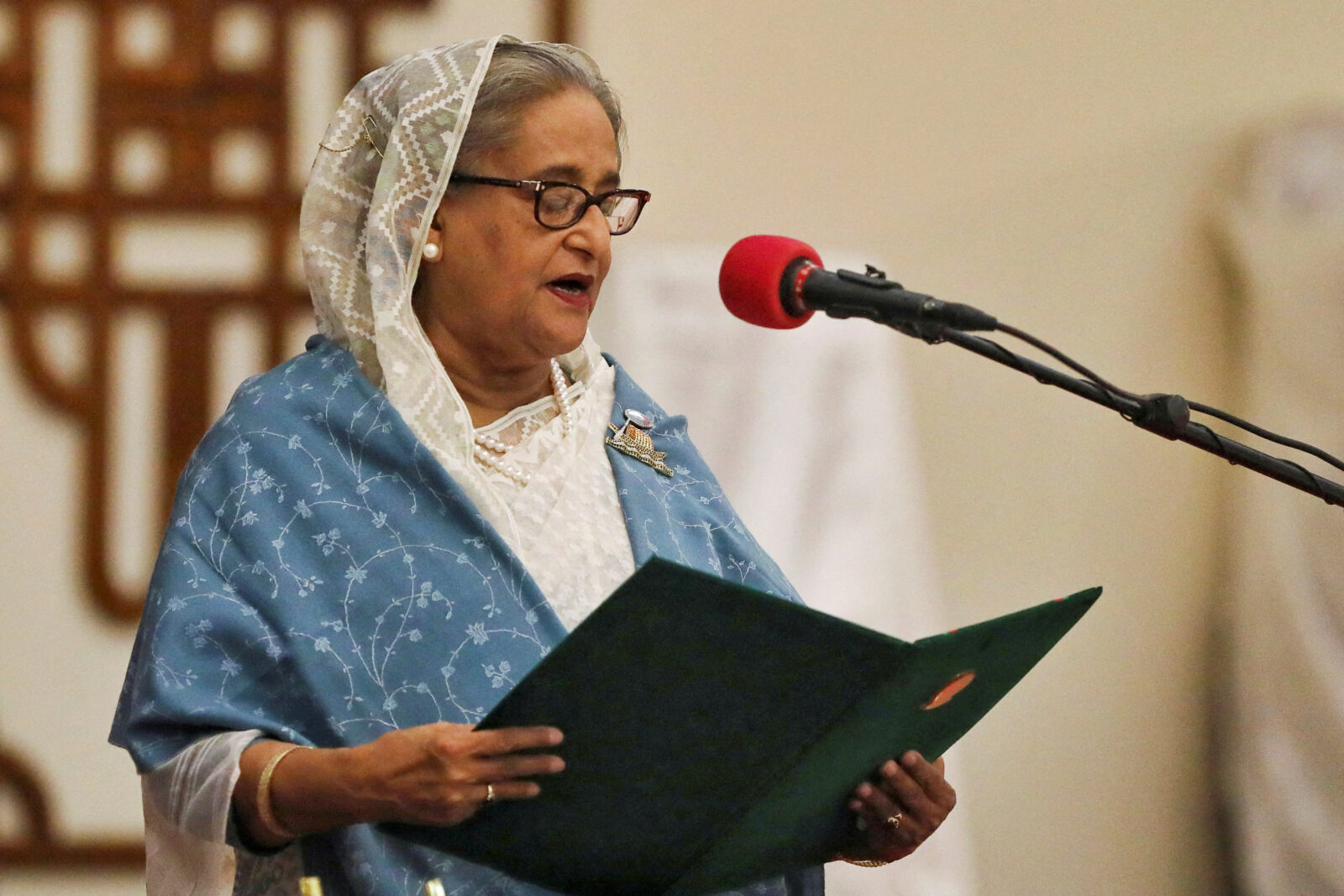
DHAKA: A government-appointed commission investigating the violent 2009 mutiny in Bangladesh has concluded that former Prime Minister Sheikh Hasina ordered the killings of dozens of senior army officers, the commission reported on Sunday.
The two-day revolt, carried out by troops of the Bangladesh Rifles (BDR), left 74 people dead, including senior military officers. The mutiny, which erupted in Dhaka and quickly spread nationwide, destabilized Hasina’s government just weeks after she assumed office in 2009.
Following Hasina’s ouster last year amid a student-led uprising, the interim government led by Nobel laureate Muhammad Yunus formed the commission to investigate the mutiny in detail. According to the report, Hasina, 78, allegedly authorized the killings, with former member of parliament Fazle Noor Taposh acting as the “principal coordinator” under her direction. The government press office cited commission chief A.L.M. Fazlur Rahman, who stated that Hasina had given the “green signal” for the massacre.
The report also suggested that foreign involvement played a role. Rahman specifically accused India of attempting to destabilize Bangladesh and weaken the army in the aftermath of the mutiny. There was no immediate response from India regarding the allegations. Relations between Bangladesh and India have been strained since Hasina sought refuge in India following her removal from office.
Yunus welcomed the findings, stating that the nation had long been in the dark about the true reasons behind the 2009 killings. “Through the commission report, the truth has finally been revealed,” he said.
Earlier investigations during Hasina’s tenure had attributed the mutiny to pent-up grievances among BDR soldiers over pay and working conditions. However, opponents of Hasina argued that the mutiny had been orchestrated as part of a broader plan to weaken the military and consolidate her power.
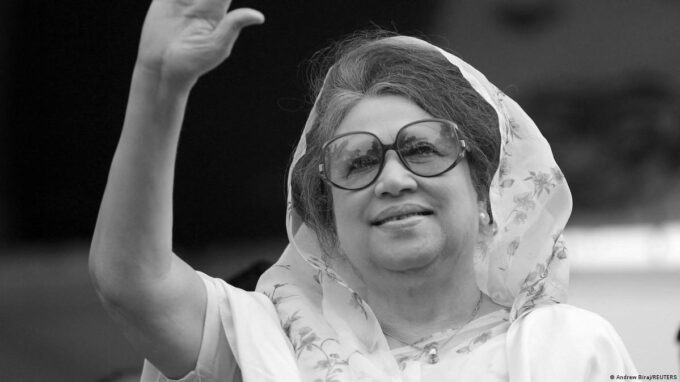
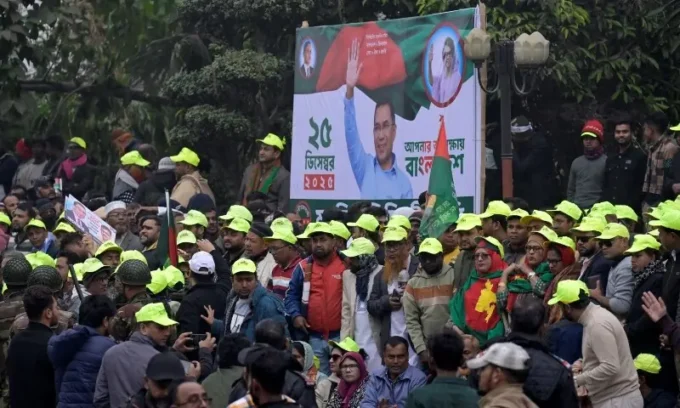
Meanwhile, political developments in Bangladesh continued to draw attention. Former Prime Minister Khaleda Zia, leader of the Bangladesh Nationalist Party (BNP), remains in “very critical” condition at a Dhaka hospital after being admitted on November 23 with a severe chest infection affecting her heart and lungs. Her son and acting party chief, Tarique Rahman, who has been living in London since 2008, indicated on Facebook that his return to Bangladesh is “not entirely” within his control, sparking speculation about potential legal or political hurdles.
The interim government clarified that there are no restrictions on Rahman’s return, with officials stating that a travel pass will be issued promptly if he chooses to come back. Since Hasina’s removal in August last year, Rahman has been acquitted in all cases against him, effectively clearing previous legal obstacles to his reentry.
The BNP, which boycotted controversial elections in 2014 and 2024, has gained political momentum following Hasina’s ouster and is increasingly seen as a major contender in Bangladesh’s evolving political landscape.





Leave a comment