

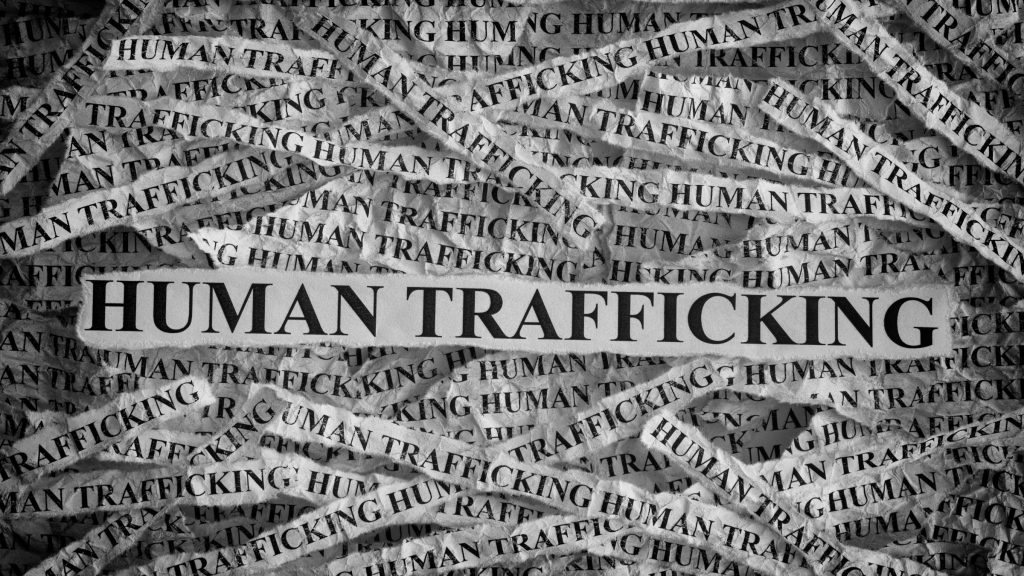
WASHINGTON: The United States has placed both Pakistan and India on its human trafficking watch list, citing shortcomings in efforts to curb forced labor and sexual exploitation, even as both countries were credited with making “significant efforts” to address the issue.
The US State Department’s Trafficking in Persons (TIP) Report 2025, released in Washington this week, categorises both South Asian neighbours in Tier 2 — a ranking reserved for countries that do not fully meet minimum standards for eliminating trafficking but are undertaking meaningful steps toward compliance.
According to the report, Pakistan remains a major destination for men, women, and children subjected to forced labour, particularly migrants arriving from Afghanistan, Bangladesh, and Sri Lanka. Women and girls — and to a lesser extent boys — from Afghanistan, Iran, and other Asian states are also trafficked into Pakistan for sexual exploitation.
The TIP report warns that marginalised communities are especially vulnerable. Individuals who identify as lesbian, gay, or bisexual face systemic discrimination under Pakistan’s laws criminalising same-sex conduct, making them prime targets for traffickers. Similarly, large-scale violence against women and girls, including so-called “honour killings,” leaves women particularly at risk.
Refugees and stateless groups are also highlighted as among the most exploited. This includes undocumented Afghans, Rohingya, Bihari, and Bengali-origin stateless persons, as well as ethnic and religious minorities such as Christians, Hindu Dalits, and Hazaras. Many remain trapped in bonded labour arrangements, while the lack of legal recognition of “statelessness” further deepens their vulnerability. The report estimates that hundreds of thousands in Pakistan lack access to identity documents or essential services, leaving them exposed to traffickers.
The document also points to widespread harassment of Afghans in Pakistan, with both registered refugees and undocumented migrants facing deportation threats. In the absence of adequate protections, many are forced into informal labour markets where exploitation is rife.
India, while also kept in Tier 2, was acknowledged for showing “overall increasing efforts” compared to the previous year. New Delhi was commended for expanding funding for specialised courts handling child-related crimes, launching prevention campaigns, and repatriating Indian nationals who were trafficked into online scam networks across Southeast Asia. Awareness drives on safe overseas employment and improved victim identification through the Railway Protection Force were also noted as positive developments.
However, India’s shortcomings remain significant. The report criticised the government’s failure to provide comprehensive data on trafficking-related investigations, prosecutions, and convictions. Victim services were described as “insufficient” and inconsistent across states, while courts rarely provided financial restitution, leaving survivors waiting years for compensation.
The absence of an inter-ministerial committee to coordinate anti-trafficking policies has also weakened India’s response. Cases of bonded labour are often misclassified, and corruption among law enforcement has fuelled public perceptions of impunity for traffickers, the report noted.
While the TIP report acknowledges progress made by both Islamabad and New Delhi, it stresses that more systemic reforms are necessary to dismantle trafficking networks, provide consistent victim support, and close legal and institutional loopholes that traffickers continue to exploit.










Leave a comment