

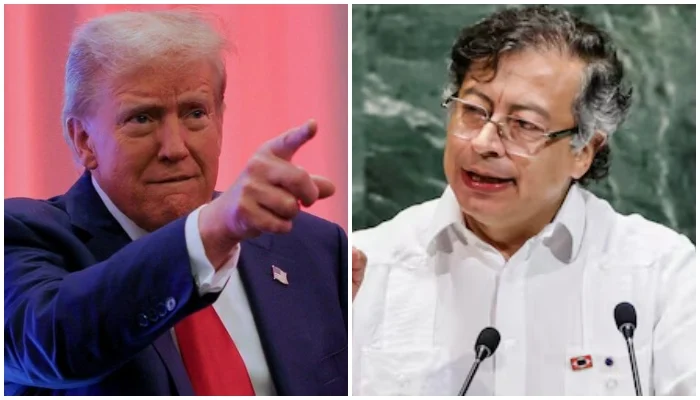
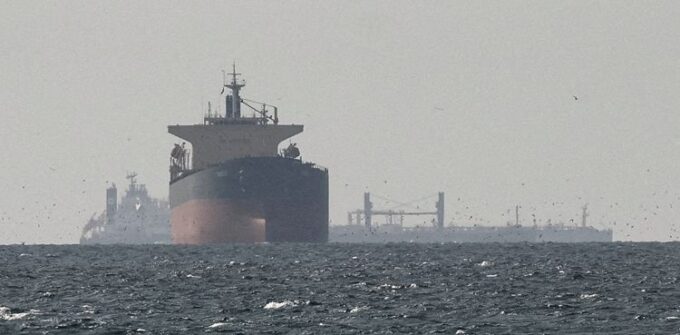
The United States military has destroyed a vessel allegedly linked to Colombia’s left-wing rebel group, the National Liberation Army (ELN), killing three people in the operation. The strike has further strained relations between Washington and Bogotá amid escalating diplomatic tensions.
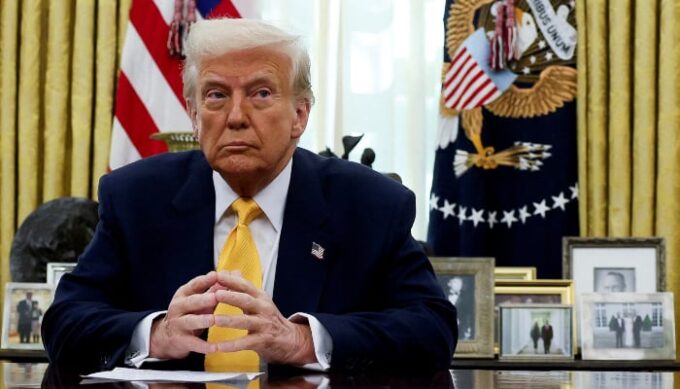
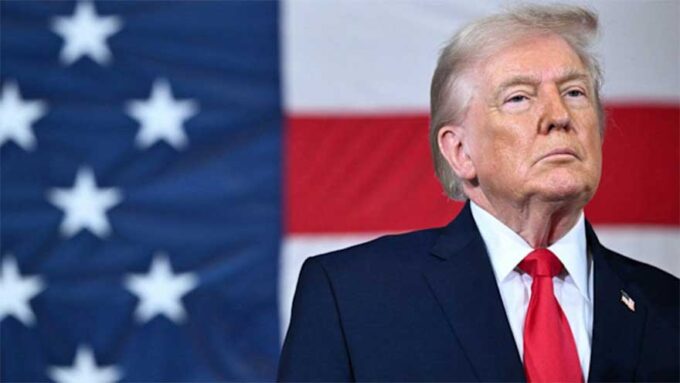
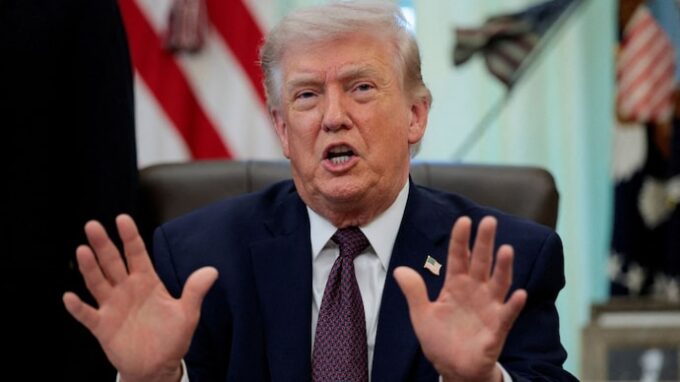
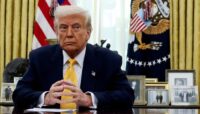
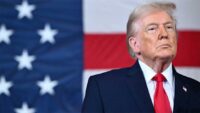
Announcing the development, President Donald Trump accused Colombian President Gustavo Petro of being an “illegal drug leader,” claiming that his administration has allowed widespread narcotics production that fuels drug-related violence in the United States. Trump declared that the U.S. would suspend all aid and financial assistance to Colombia unless “immediate and meaningful action” is taken against drug trafficking networks.
U.S. Defense Secretary Pete Hegseth said the destroyed vessel was operating in the Caribbean under the jurisdiction of the U.S. Southern Command and had been linked to the ELN. However, no evidence has yet been made public to substantiate the claim. The Pentagon described the strike as a “defensive action” taken against a suspected rebel-controlled target.
Colombia Condemns US Allegations and Strike
The Colombian government reacted sharply to Trump’s remarks and the U.S. military action, calling them a “grave violation of sovereignty.” The Foreign Ministry said the accusations against President Petro were “baseless and damaging to bilateral relations.” It warned that such rhetoric could destabilize cooperation on counter-narcotics operations and regional security.
President Petro rejected the U.S. allegations, insisting that his administration is committed to fighting drug trafficking through social reform and rural development rather than violence. He denied any connection to criminal groups and accused Washington of using “false narratives” to justify unilateral military action.
Colombian officials further stated that the destroyed vessel was a civilian cargo ship owned by a private family business, not linked to any armed group. Bogotá demanded an official explanation from Washington and hinted at taking the matter to international legal forums for investigation.
Impact on US-Colombia Relations
The episode marks one of the most serious rifts in U.S.-Colombia relations in decades. For years, the two nations have cooperated closely on anti-drug operations, military training, and intelligence-sharing. Analysts warn that Trump’s decision to suspend aid and impose tariffs could undermine these efforts and weaken Colombia’s ability to combat insurgent groups.
Diplomatic experts say the U.S. strike—conducted without coordination with Colombian authorities—sets a troubling precedent. Human rights organizations have also raised concerns over the legality of the action, pointing out that the U.S. provided no verifiable proof of the vessel’s connection to the ELN.
Next Steps and Regional Fallout
Colombia is expected to raise the issue at regional forums such as the Organization of American States (OAS) and the United Nations. The government plans to seek international condemnation of the U.S. action and call for an independent inquiry into the strike.
Meanwhile, Washington has hinted at the possibility of further sanctions if Colombia fails to take what Trump called “concrete and immediate steps” against drug trafficking networks. Political observers warn that this dispute could derail cooperation in security and trade, with potential repercussions for the wider Latin American region.
As tensions escalate, both governments face mounting pressure — Trump to justify the legality of the strike, and Petro to prove his administration’s independence from rebel or criminal influences. The outcome could redefine the decades-long alliance between the two countries and reshape U.S. policy in South America.





Leave a comment