

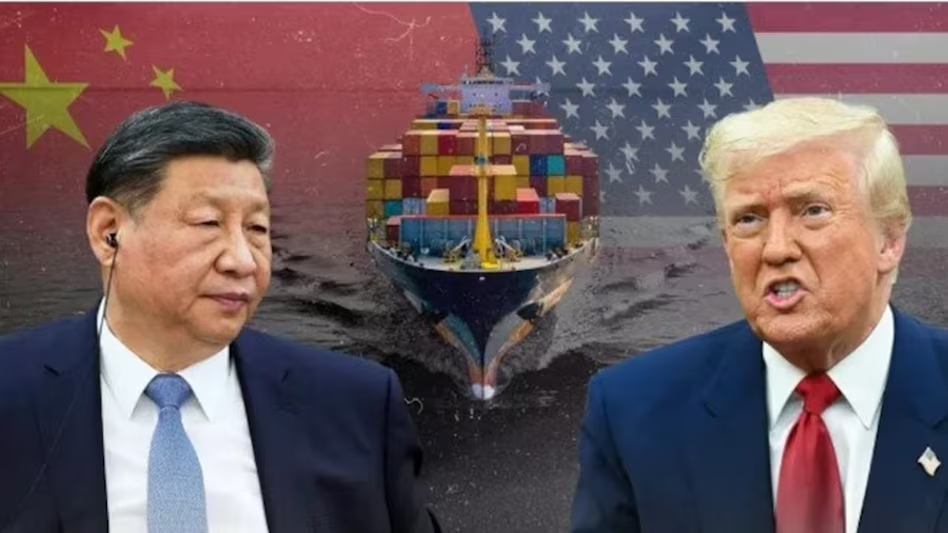
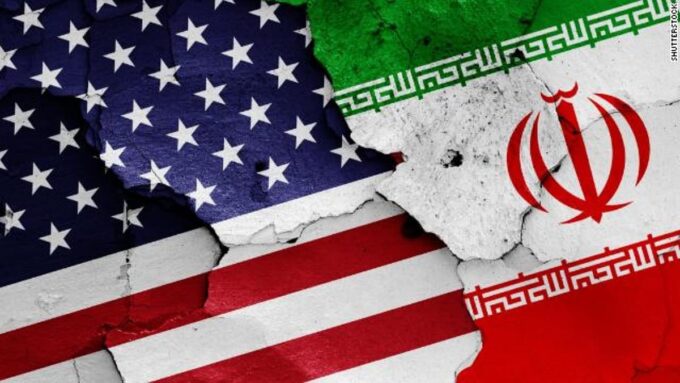
BEIJING: China has announced a partial suspension of tariffs on U.S. goods, offering limited relief in a trade standoff that has shaken global markets. The decision, confirmed by the State Council’s tariff commission on Wednesday, will halt for one year the 24 percent additional duties imposed on U.S. imports in April, while maintaining 10 percent levies introduced earlier in response to former President Donald Trump’s so-called “Liberation Day” tariffs.
The cabinet further stated that tariffs of up to 15 percent on certain U.S. agricultural products will be removed starting November 10, referencing a previous March notice listing the affected goods. However, the partial rollback provides only modest relief for the U.S. farm sector.
Despite the tariff cuts, Chinese soybean buyers will still face a total import duty of 13 percent, including an existing 3 percent base rate. Traders say this makes U.S. soybeans less competitive than cheaper Brazilian supplies, keeping American exports largely sidelined from the world’s biggest agricultural market.
Before the Trump-era trade conflict erupted in 2017, soybeans were the largest U.S. export to China, valued at $13.8 billion in 2016. Since then, Chinese imports from the U.S. have dropped sharply, with Beijing sourcing only 20 percent of its soybeans from America in 2024, compared to 41 percent in 2016, according to Chinese customs data.
Last week, investors across Asia and the U.S. expressed cautious optimism after a meeting between Trump and Chinese President Xi Jinping in South Korea, which signaled a pause in escalating trade tensions. The discussions revived hopes that both nations would resume efforts to resolve their long-running tariff dispute that has strained supply chains and rattled global commodity markets.
While Washington swiftly released details of the talks, Beijing remained more reserved, offering few insights into what was agreed. Nevertheless, China’s state-owned agribusiness giant COFCO purchased three cargoes of U.S. soybeans a day before the summit — a move widely interpreted as a goodwill gesture from Beijing to ease friction.
However, analysts and traders remain skeptical about a significant recovery in U.S.-China agricultural trade.
“We don’t expect any major rebound in Chinese demand for U.S. soybeans under the current tariff structure,” said a trader at an international commodities firm. “Brazil remains the cheaper and more stable supplier, and even non-Chinese buyers are increasingly turning to Brazilian cargoes.”
The modest tariff relief, experts say, underscores Beijing’s cautious balancing act — seeking to de-escalate tensions with Washington while protecting domestic interests and maintaining leverage in ongoing trade negotiations.






Leave a comment