

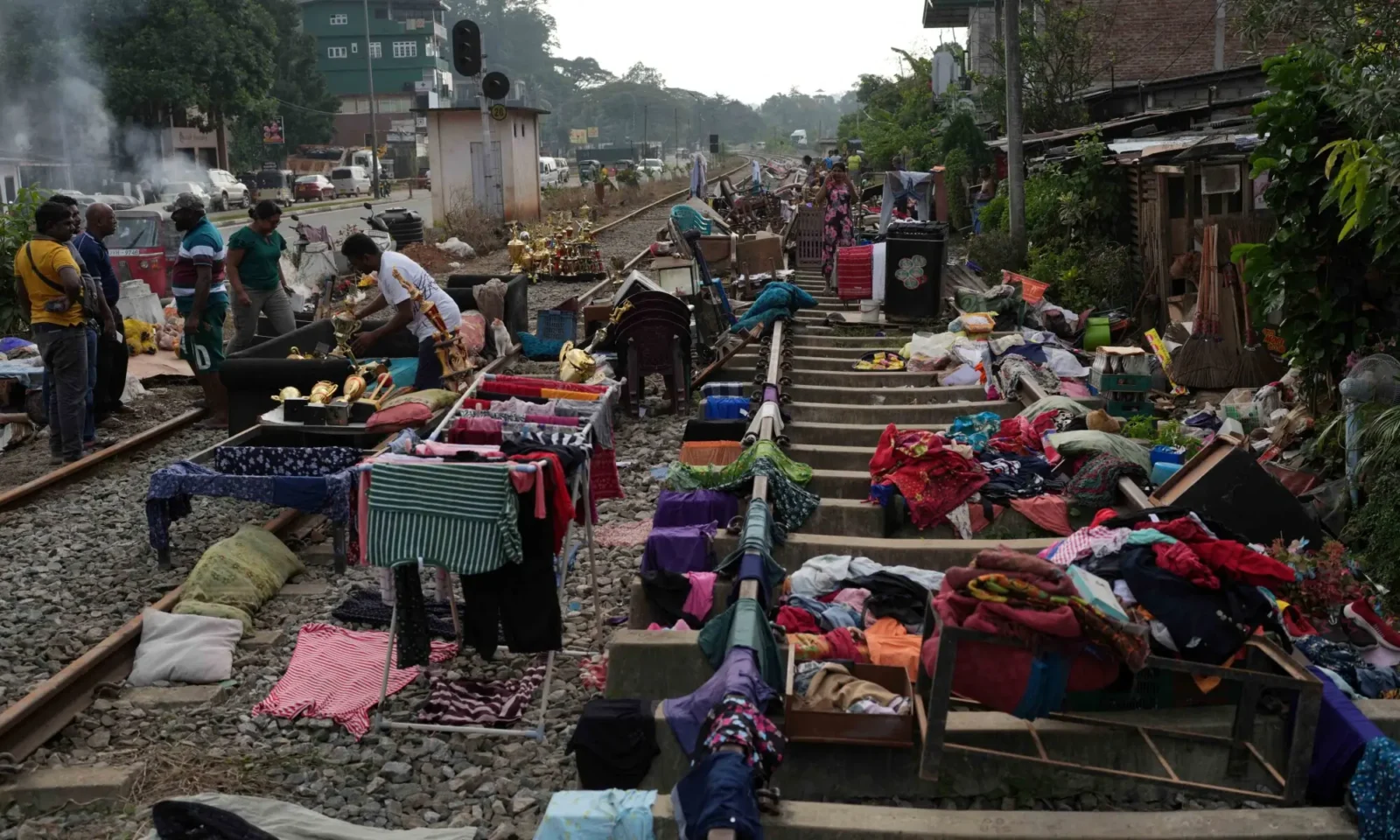
Officials in Indonesia and Sri Lanka raced on Wednesday to reach survivors in remote, cut-off regions following severe flooding that has already claimed more than 1,500 lives across four countries. Rescue and relief efforts are being hampered by damaged infrastructure, disrupted communications, and widespread isolation caused by the deluge.
In Indonesia, survivors voiced frustration over the slow pace of aid delivery. The country’s disaster management agency confirmed 770 deaths, revising an earlier toll of 812, while 463 people remain missing. Humanitarian organizations warned that the scale of the crisis is almost unprecedented, even for a nation regularly affected by natural disasters. Ade Soekadis, executive director of Mercy Corps Indonesia, described the logistical challenges of responding to the disaster as “very challenging” and emphasized the urgent need for food, water, and hygiene supplies.
Survivors recounted harrowing experiences as floodwaters and landslides swept through their communities. At an evacuation center in Pandan, 52-year-old Reinaro Waruwu described the disaster as striking “like an earthquake” and expressed frustration over delayed government assistance. “Some waited a day and night before receiving help, so they couldn’t be saved,” he said, noting the severe shortage of food and clean water in the initial aftermath.
Sri Lanka also faced catastrophic flooding, worsened by Cyclone Ditwah, which triggered landslides and inundated much of the country. At least 474 people have been killed, with 366 still missing, according to disaster officials. Survivors returning home are confronted with extensive destruction, including damaged property and lost livelihoods. Soma Wanniarachchi, a catering business owner in Kotuwila near Colombo, described the loss of her equipment to floodwaters, saying, “My stainless steel utensils are now probably in the Indian Ocean.”
The Sri Lankan government has ramped up assistance, providing households with 25,000 rupees ($83) for cleanup, more than double the standard allowance from previous disasters. Authorities are also offering up to 2.5 million rupees for rebuilding homes, though some of the worst-hit areas in the central hills remain inaccessible. Reconstruction costs are initially estimated at six to seven billion dollars, according to Prabath Chandrakeerthi, the commissioner general for essential services.
Climate experts have warned that such extreme rainfall events are becoming more frequent due to climate change. Warmer air holds more moisture, and warmer oceans can intensify storm systems, leading to heavier precipitation and stronger floods. The World Meteorological Organization highlighted Indonesia, the Philippines, Sri Lanka, Thailand, and Vietnam as among the hardest-hit nations during the current monsoon season, attributing the disaster to a combination of monsoon rainfall and tropical cyclone activity.
In southern Thailand, severe flooding last month killed at least 267 people, with tourist areas like Hat Yai among the hardest hit. Meanwhile, despite ongoing floods, Sri Lanka continued to welcome tourism, including the arrival of a luxury cruise liner at Colombo port, highlighting the country’s economic dependence on visitors.
Across the region, survivors are confronting the immense challenge of rebuilding their lives amid ongoing disruptions, destroyed infrastructure, and the looming threat of further extreme weather events. Humanitarian groups and governments are racing to deliver aid, restore access, and support recovery in what is emerging as one of Asia’s deadliest flood crises in recent years.












Leave a comment