

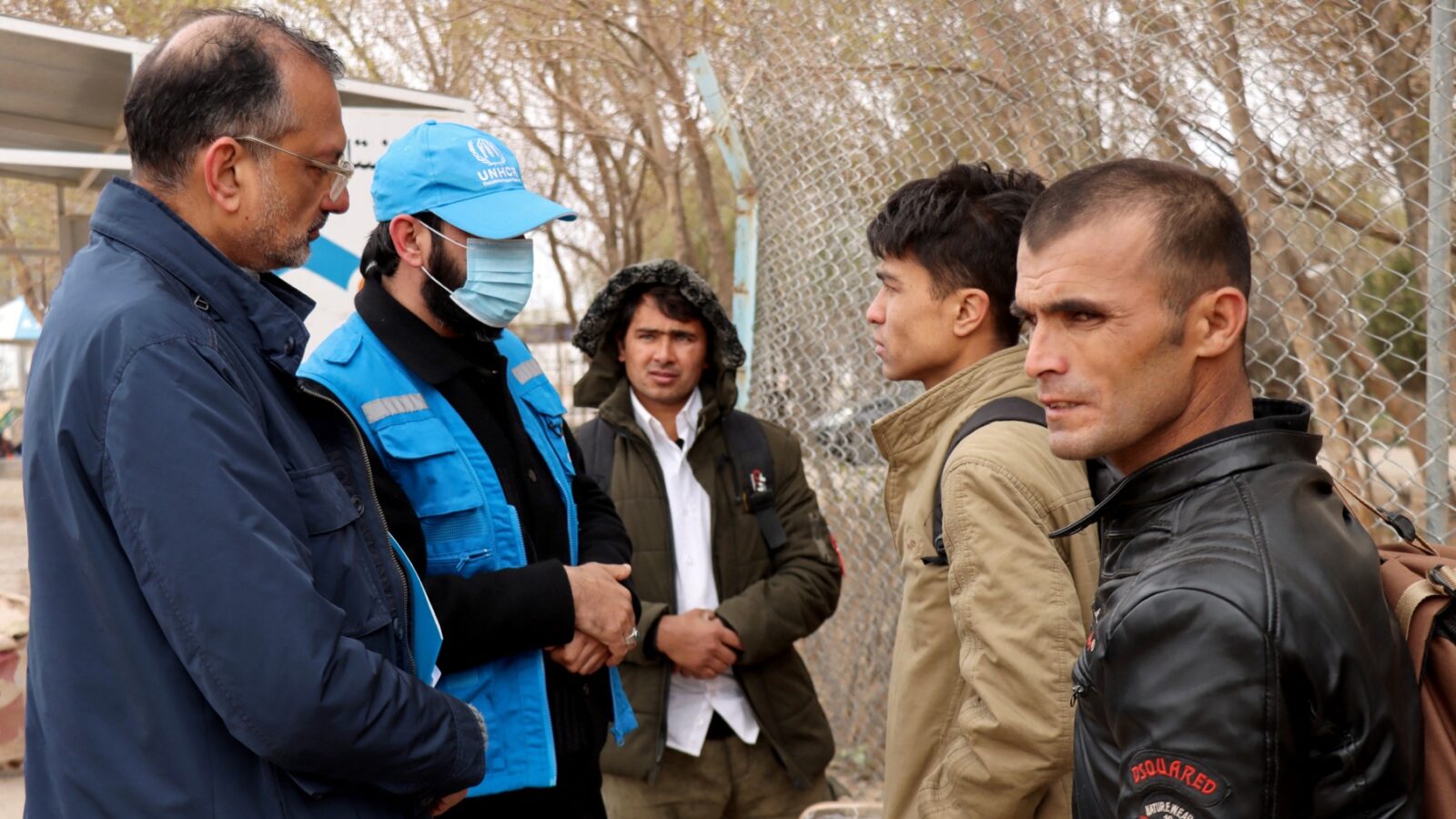
The United Nations High Commissioner for Refugees (UNHCR) has reported that the ongoing conflict between the United States, Israel, and Iran has triggered a large-scale internal displacement crisis across Iran. According to preliminary assessments by the UN refugee agency, between 600,000 and one million Iranian households have been forced to temporarily flee their homes due to intensified airstrikes and military operations.
The UN agency estimates that the number of displaced individuals could reach up to 3.2 million people, warning that the humanitarian situation may worsen as the bombing campaign continues. Ayaki Ito, who also serves as the Cross-Regional Refugee Response Coordinator for the Middle East emergency, described the situation as a rapidly escalating humanitarian crisis, with growing needs for shelter, food, healthcare, and protection for civilians caught in the conflict.
According to UNHCR, a significant portion of the displaced population is fleeing Tehran and other densely populated urban centres, seeking safety in northern provinces and rural regions of the country. The mass movement of civilians is largely driven by fears of continued airstrikes, destruction of infrastructure, and deteriorating security conditions in major cities.
The agency also highlighted the vulnerability of Afghan refugee families living in Iran, many of whom were already facing economic hardship and limited support networks before the conflict escalated. With restricted access to essential services such as healthcare, shelter, and food supplies, these refugee communities are now at an even greater risk as displacement spreads across the country.
UNHCR stated that it is adjusting its operations to respond to the growing crisis. The organization, which has maintained a long-standing humanitarian presence in Iran, is working closely with national authorities and humanitarian partners to strengthen emergency preparedness, monitor population movements, and expand support services such as reception centres, helplines, and protection mechanisms.
The agency further stressed the urgent need to protect civilians and ensure humanitarian access in accordance with international humanitarian law. It also called on neighboring countries to keep their borders open for people seeking safety, emphasizing that international cooperation will be critical in addressing the rapidly expanding humanitarian emergency in the region.









Leave a comment