

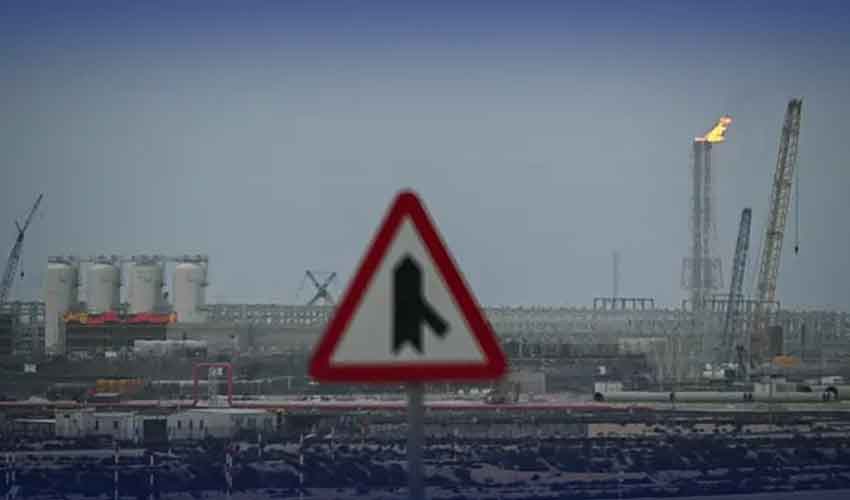
DUBAI: Iran on Wednesday accused Israel of striking its energy infrastructure in the massive South Pars gas field, marking a major escalation in the ongoing US-Israeli war. In response, Tehran vowed to target oil and gas facilities across the Gulf region, launching missiles toward neighbouring states including Qatar and Saudi Arabia.
Iranian missile strikes caused significant damage in Qatar, where state-owned QatarEnergy reported “extensive damage” to facilities in Ras Laffan Industrial City, a key hub for global energy exports. Meanwhile, Saudi authorities said their air defence systems intercepted four ballistic missiles targeting Riyadh and foiled a drone attack on a gas facility in the country’s eastern region.
Strike on Key Energy Infrastructure
The South Pars field, the world’s largest natural gas reserve shared between Iran and Qatar, is central to global energy supplies. Iranian media reported that gas storage tanks and parts of a refinery were hit in the Israeli strike, though authorities said workers had been evacuated and fires were later brought under control.
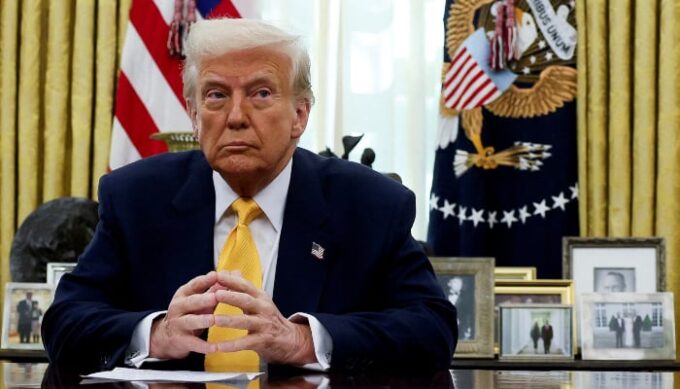
While Israel has not officially claimed responsibility, reports suggest prior knowledge and support from Donald Trump for the operation, further intensifying the geopolitical fallout. The targeting of energy infrastructure represents a dangerous shift, as both sides had previously avoided direct strikes on such critical facilities.
Regional Fallout and Diplomatic Tensions
The escalation has triggered sharp diplomatic reactions. Qatar condemned the attack on South Pars as “dangerous and irresponsible,” while also criticising Iran’s missile strikes as a violation of international law. Doha responded by expelling two senior Iranian diplomats.
Iran, in turn, warned that several major energy installations across the Gulf were now considered “legitimate targets,” including facilities in Saudi Arabia, the UAE, and Qatar. It urged evacuation of these sites, signalling the potential for further strikes that could cripple regional energy production.
Global Energy Shock and Economic Impact
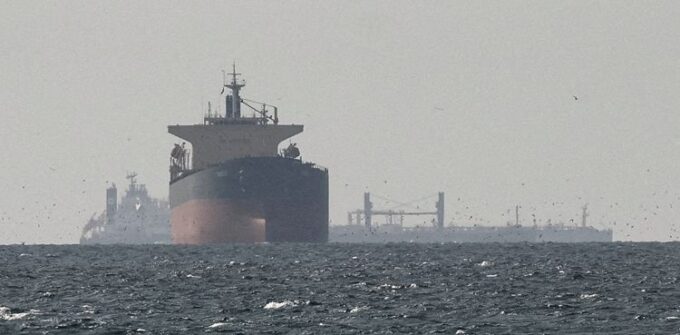
The intensifying conflict has sent shockwaves through global energy markets. Brent crude prices surged above $108 per barrel, while disruptions to shipping routes have raised fears of prolonged supply shortages. Iran has effectively shut down the Strait of Hormuz, through which roughly 20% of the world’s oil and liquefied natural gas flows.
The economic impact is already being felt globally, with rising fuel costs and market instability. In the United States, diesel prices have crossed $5 per gallon, adding pressure on the administration of President Trump amid growing domestic concerns.
Calls for Restraint Amid Escalation
International leaders have urged de-escalation as the conflict widens. Emmanuel Macron called for a moratorium on strikes targeting civilian infrastructure, particularly energy and water facilities. The European Union has also emphasised the need to ensure safe passage through the Strait of Hormuz and has reiterated support for diplomatic efforts to end the conflict.
Despite these calls, military operations continue to intensify, with both sides expanding their targets and rhetoric.
Expanding Conflict Across the Region
The war has rapidly spread beyond Iran and Israel, affecting multiple countries across the Middle East. Israeli airstrikes have hit Beirut, while Iran has launched missiles into Israel and other regional locations. Israeli officials have indicated that senior Iranian leaders remain potential targets, further raising the stakes.
Casualties continue to mount across the region. Thousands have reportedly been killed in Iran since the conflict began, while Lebanon has seen hundreds of deaths and massive displacement. Iranian strikes have also caused fatalities in Iraq and Gulf states, including US military personnel.







Leave a comment